Cancer Pain Treatment in Patna
Compassionate, profound relief from intractable abdominal, pelvic, and bone metastasis pain through precision C-Arm guided Celiac Plexus Neurolysis & advanced interventional pain management.
Understanding Interventional Cancer Pain Management
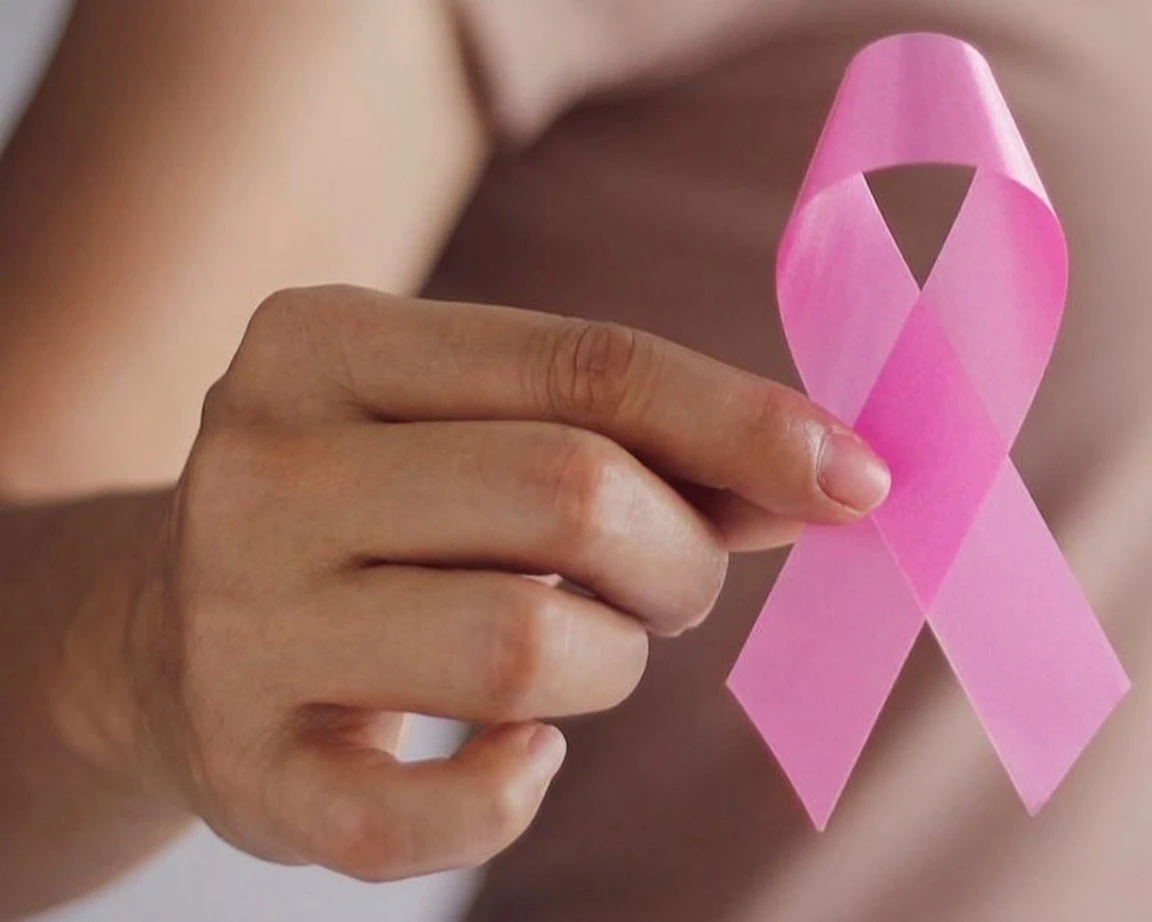
Pain is experienced by more than 70% to 90% of patients with advanced oncological conditions. Cancer pain stems from multiple mechanisms: direct tumor infiltration of visceral organs, compression of neighboring nerve plexuses, bone metastases destroying skeletal architecture, and treatment-related neuropathy following chemotherapy or radiation.
While the WHO Analgesic Ladder provides oral opioids (Morphine, Fentanyl), high oral doses frequently cause debilitating side effects: extreme sedation, severe constipation, nausea, delirium, and loss of conscious interaction with family.
Interventional Neurolysis targets the exact autonomic nerve plexuses transmitting visceral tumor pain:
- Celiac Plexus Neurolysis: For pancreatic, stomach, gallbladder, liver, and esophageal tumors.
- Superior Hypogastric Plexus Neurolysis: For cervical, uterine, ovarian, bladder, and colorectal cancers.
- Ganglion of Impar Block: For rectal, anal, and perineal tumors.
These precision pinhole procedures permanently disrupt cancer pain signals, cutting opioid medication requirements by up to 80% and restoring dignity, mental clarity, and quality of life.
Types of Cancer Pain We Treat
Tailoring targeted interventional solutions according to the tumor organ origin and pain mechanism.
Upper Abdominal Cancer Pain
Pancreatic, stomach, hepatobiliary, and colon malignancies causing agonizing mid-back and upper abdominal pain. Treated via C-Arm guided Celiac Plexus Neurolysis.
Pelvic & Gynaecological Cancer Pain
Cervical, uterine, ovarian, prostate, and bladder cancers causing deep pelvic pressure and spasms. Treated via Superior Hypogastric Plexus Neurolysis.
Bone Metastasis & Spine Fractures
Metastatic tumor spread to the spine causing excruciating vertebral collapse. Treated via Percutaneous Vertebroplasty with medical cement stabilization.
Our 4-Step Cancer Pain Management Protocol
Comprehensive oncological pain evaluation to deliver rapid, safe, and sustainable relief.
Pain Mechanism Review
Differentiating visceral, somatic, neuropathic, and breakthrough pain components alongside current opioid intake.
Contrast CT / PET Review
Reviewing abdominal CT/MRI scans to map retroperitoneal anatomy, tumor margins, and vascular displacement.
Diagnostic Test Block
Fluoroscopy-guided local anesthetic test block of the plexus to verify immediate pain cessation prior to permanent neurolysis.
Permanent Neurolysis
Definitive Intervention: C-Arm guided neurolytic chemical ablation (Alcohol / Phenol) for permanent pain interruption.
Interventional Procedures for Cancer Pain
Daycare procedures performed under live fluoroscopic C-Arm and CT guidance by Dr. Shrutika Bhagat in Patna.
Gold Standard
Celiac Plexus Neurolysis (CPN)
C-Arm/CT guided transcrural or retrocrural percutaneous injection of neurolytic absolute alcohol around the celiac axis, permanently stopping visceral pain from pancreatic, stomach, and liver tumors.
- Dramatic drop in abdominal & back pain
- Daycare procedure under local anesthesia
 Pelvic Cancer
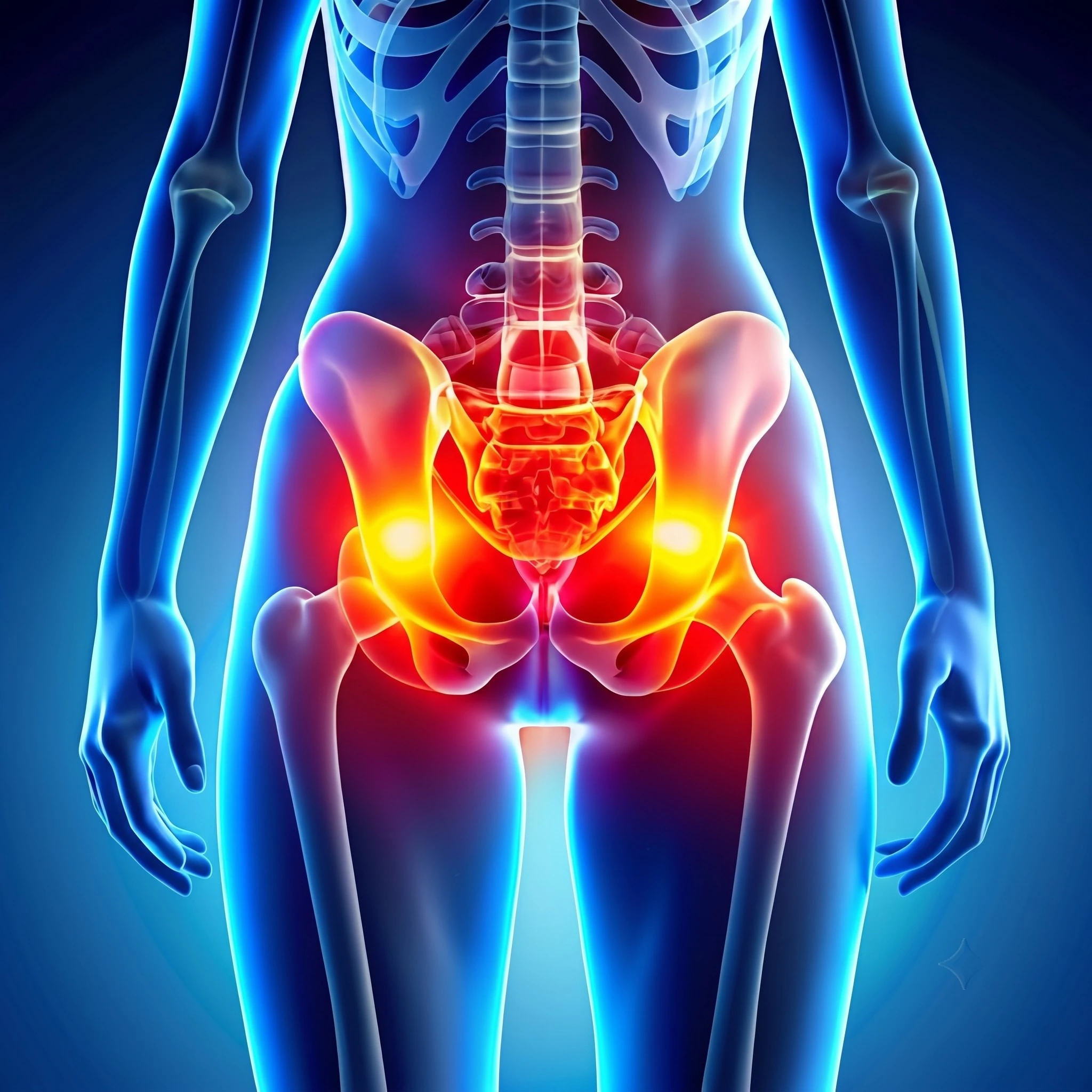
Superior Hypogastric Plexus Neurolysis
Fluoroscopy-guided transdiscal or posterior bilateral neurolysis at L5/S1, blocking visceral pain from cervical, ovarian, uterine, prostate, and colorectal cancers.
- Stops deep agonizing pelvic aching
- Preserves bladder and bowel motor control
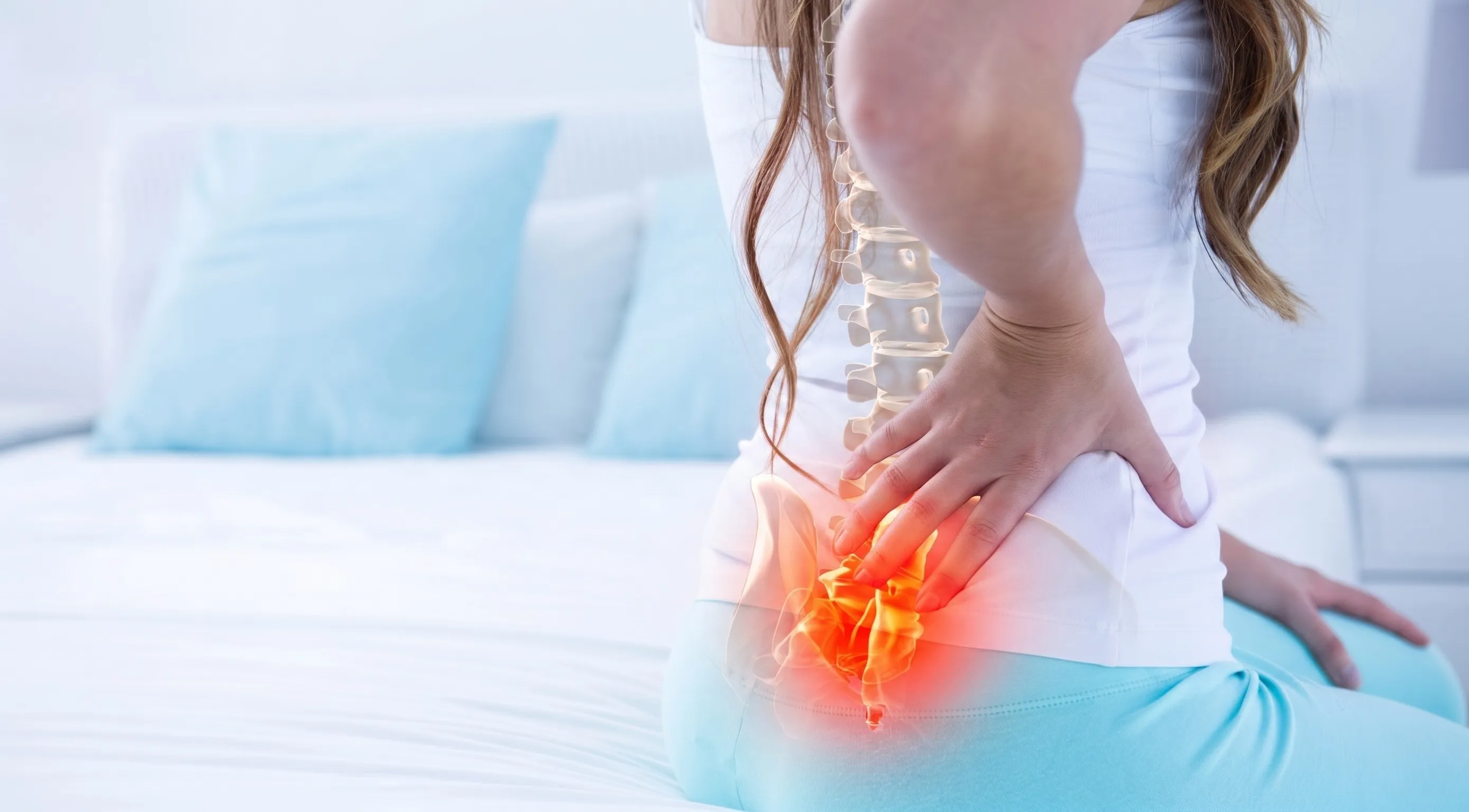 Perineal Tumors
Ganglion of Impar Neurolysis
C-Arm guided neurolysis at the sacrococcygeal junction to eliminate severe burning and sitting agony caused by rectal, anal, vulvar, and perineal malignancies.
- Immediate comfort when sitting & resting
- 15-minute gentle daycare procedure
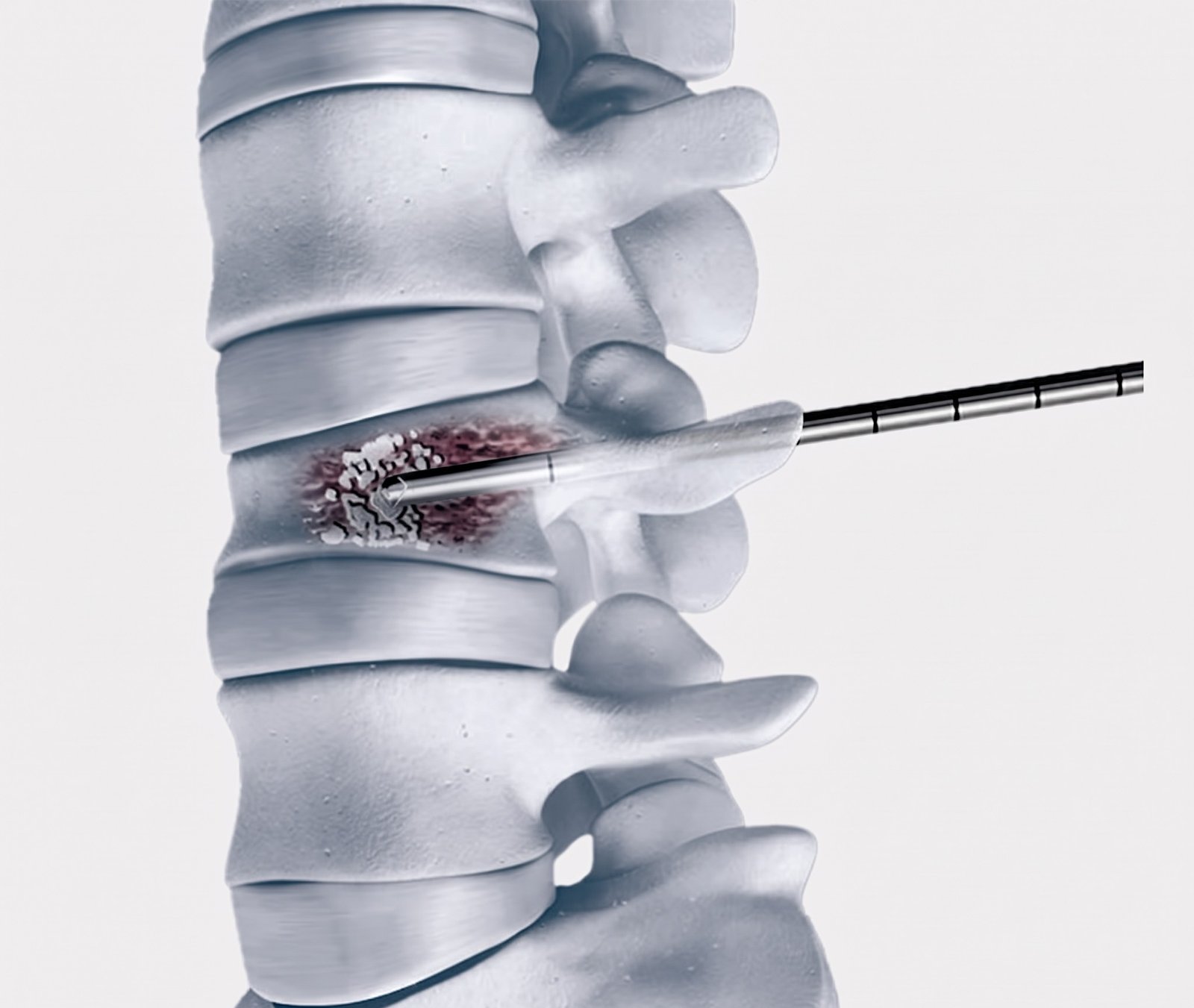 Spine Metastasis
Percutaneous Vertebroplasty
Pinhole injection of medical bone cement (PMMA) into collapsed, tumor-infiltrated vertebral bodies under live C-Arm guidance, stabilizing bone fractures and stopping movement agony instantly.
- Instant relief from spine collapse pain
- Walk comfortably without paralysis risk
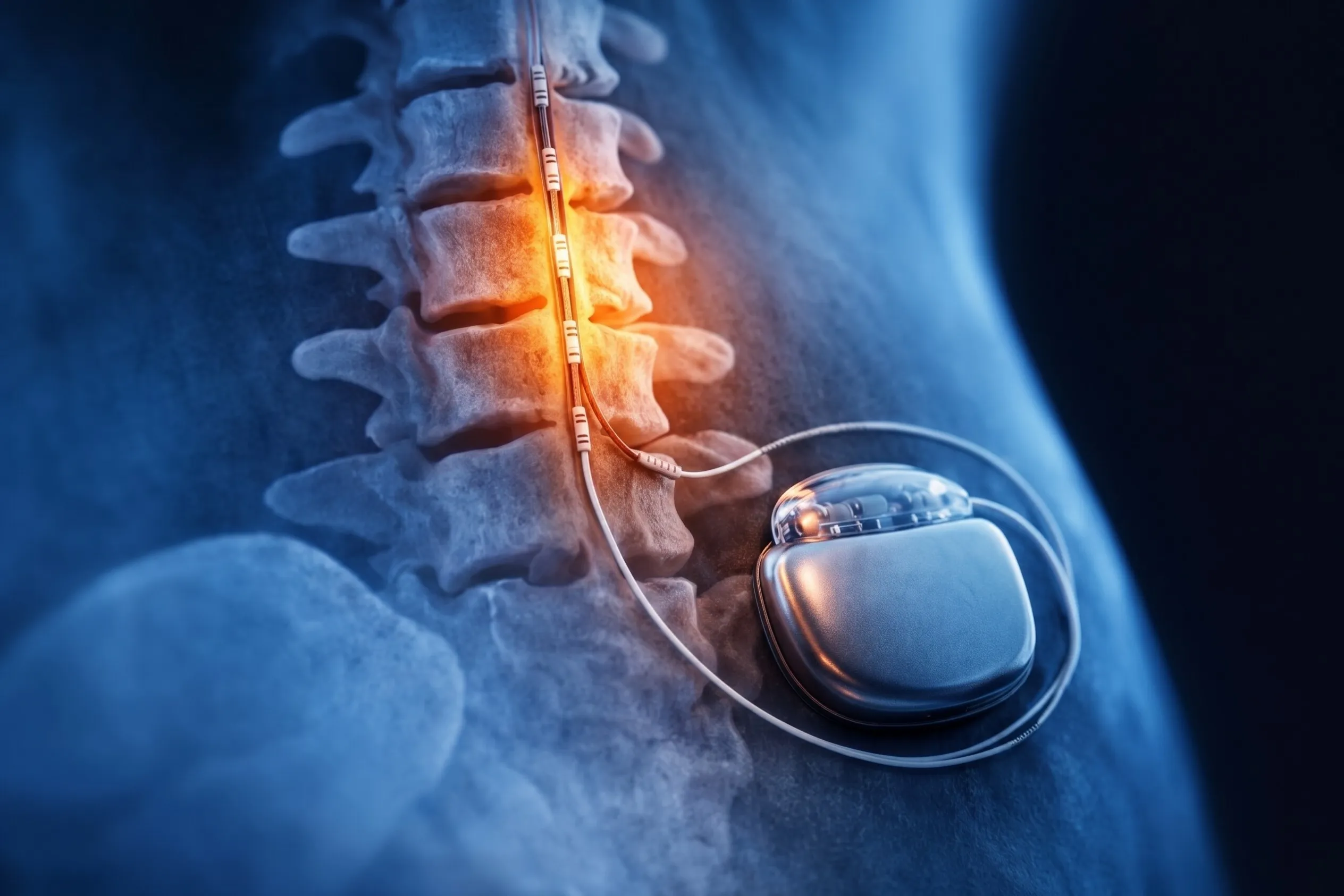 Targeted Pump
Intrathecal Drug Delivery Pump
Programmable pump delivering micro-doses of morphine directly into the cerebrospinal fluid (1/300th of the oral dose), providing profound pain relief with zero drowsiness or constipation.
- 300x more potent than oral morphine
- Zero opioid sedation or cognitive fog
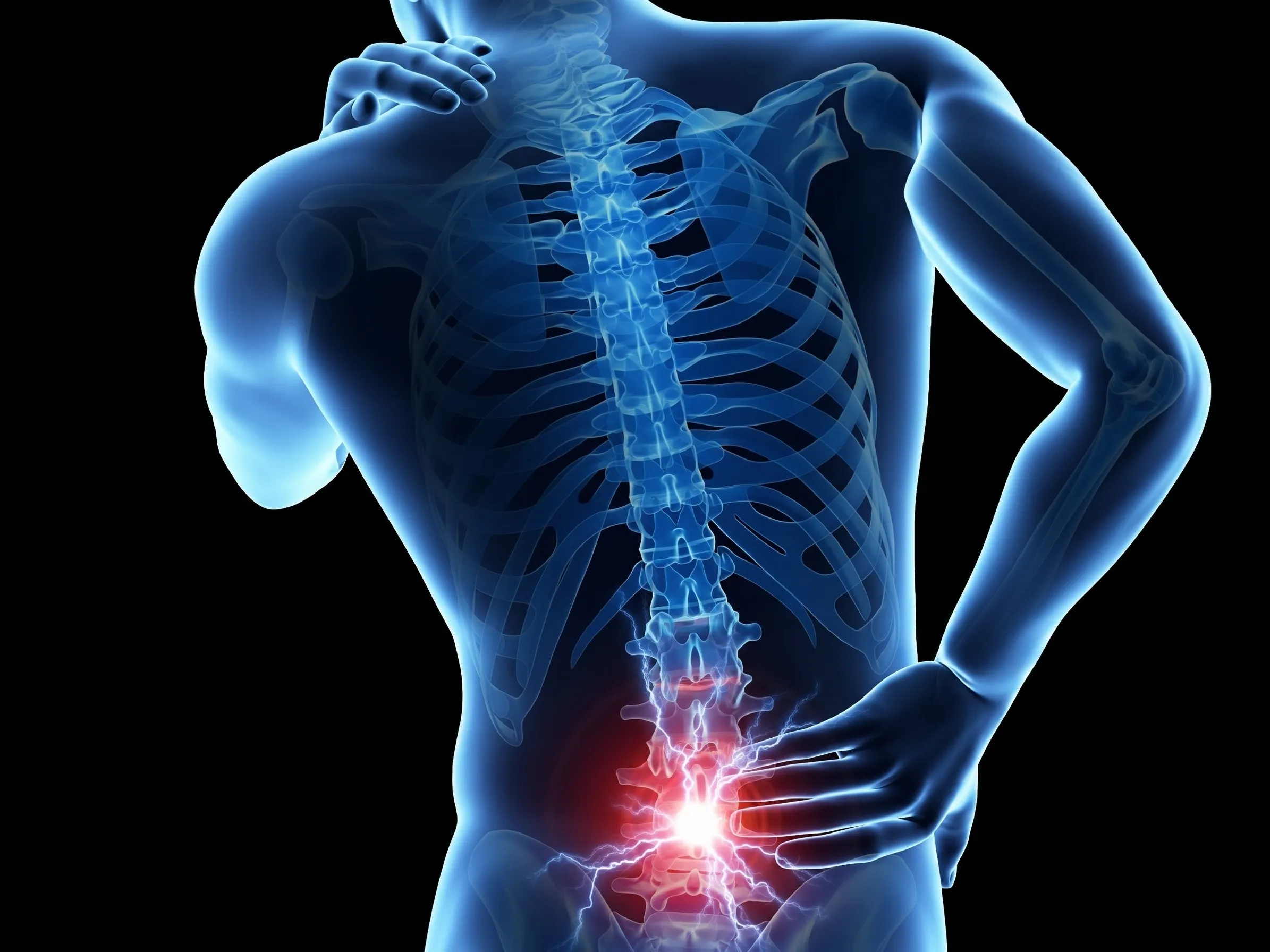 Palliative Care
Advanced Palliative Support
Expert management of opioid-induced bowel dysfunction (OIBD), breakthrough pain fentanyl protocols, neuropathic adjuvant titration, and home-care support for families.
- 24/7 breakthrough pain control
- Improves patient comfort and dignity
High-Dose Oral Opioids Alone vs. Interventional Neurolysis
Why interventional nerve blocks are essential for restoring clarity, appetite, and comfort in oncological care.
| Clinical Feature | High-Dose Oral Morphine / Fentanyl Alone | Interventional Celiac / Hypogastric Neurolysis |
|---|---|---|
| Mental Clarity & Alertness | Heavy sedation, drowsiness, memory fog & hallucinations | 100% clear-minded, alert, and able to converse with family |
| Gastrointestinal Effects | Severe obstinate constipation, loss of appetite & vomiting | Improves bowel motility and restores oral feeding tolerance |
| Duration of Pain Relief | Requires pills every 4 hours with frequent severe breakthrough pain | Sustained, continuous pain relief for months to years |
| Required Opioid Dose | Dose escalates rapidly due to pharmacological tolerance | Cuts daily opioid requirements by 70% to 90% |
| Procedure Safety | Long-term organ tolerance limitations | Safe 30-minute daycare procedure under local anesthesia |

Dr. Shrutika Bhagat
MBBS, MD, FIRA, FIAPM | Interventional Pain & Spine Endoscopy
Dr. Shrutika Bhagat brings super-specialized training in full-endoscopic spine surgery and image-guided interventional pain management, having successfully treated thousands of patients with severe back pain, disc prolapse, sciatica, nerve compression, and joint arthritis in Patna.
Cancer Pain FAQs
Clinical answers regarding Celiac Plexus Neurolysis, reducing opioid doses, and palliative pain procedures.

Don't Let Chronic Pain Control Your Life.
Take the first step toward understanding your pain and exploring modern, evidence-based minimally invasive relief with Dr. Shrutika Bhagat.