Caudal Neuroplasty in Patna
Precision RACZ spring-catheter scar tissue lysis for multi-level disc herniations, severe sciatica, and Failed Back Surgery Syndrome (FBSS) through a single tailbone pinhole.
Advanced RACZ Catheter Lysis for Sciatica & Stenosis
Caudal Neuroplasty (also known as the RACZ Procedure or Percutaneous Epidural Adhesiolysis) is an internationally recognized interventional spine procedure developed by Prof. Dr. Gabor Racz to treat intractable lower back pain and severe radiating leg pain (Sciatica).
In patients with multi-level slip discs, lumbar canal stenosis, or prior spine surgeries, dense inflammatory scar tissue forms in the anterior ventral epidural space. This fibrotic mesh acts like an impermeable wall, preventing standard epidural injections from reaching the pinched nerve roots while physically trapping and irritating the nerves during movement.
Under real-time C-Arm Fluoroscopic guidance, Dr. Shrutika Bhagat places a specialized steerable spring-wound RACZ catheter through the natural sacral hiatus at the tailbone. The catheter is navigated directly to the L4-L5 and L5-S1 nerve root sleeves to mechanically break up fibrous bands and infuse targeted enzymatic washes (Hyaluronidase, hypertonic saline, and local anesthetics), freeing trapped nerves and providing rapid, long-lasting pain relief.
Who is a Candidate for Caudal Neuroplasty?
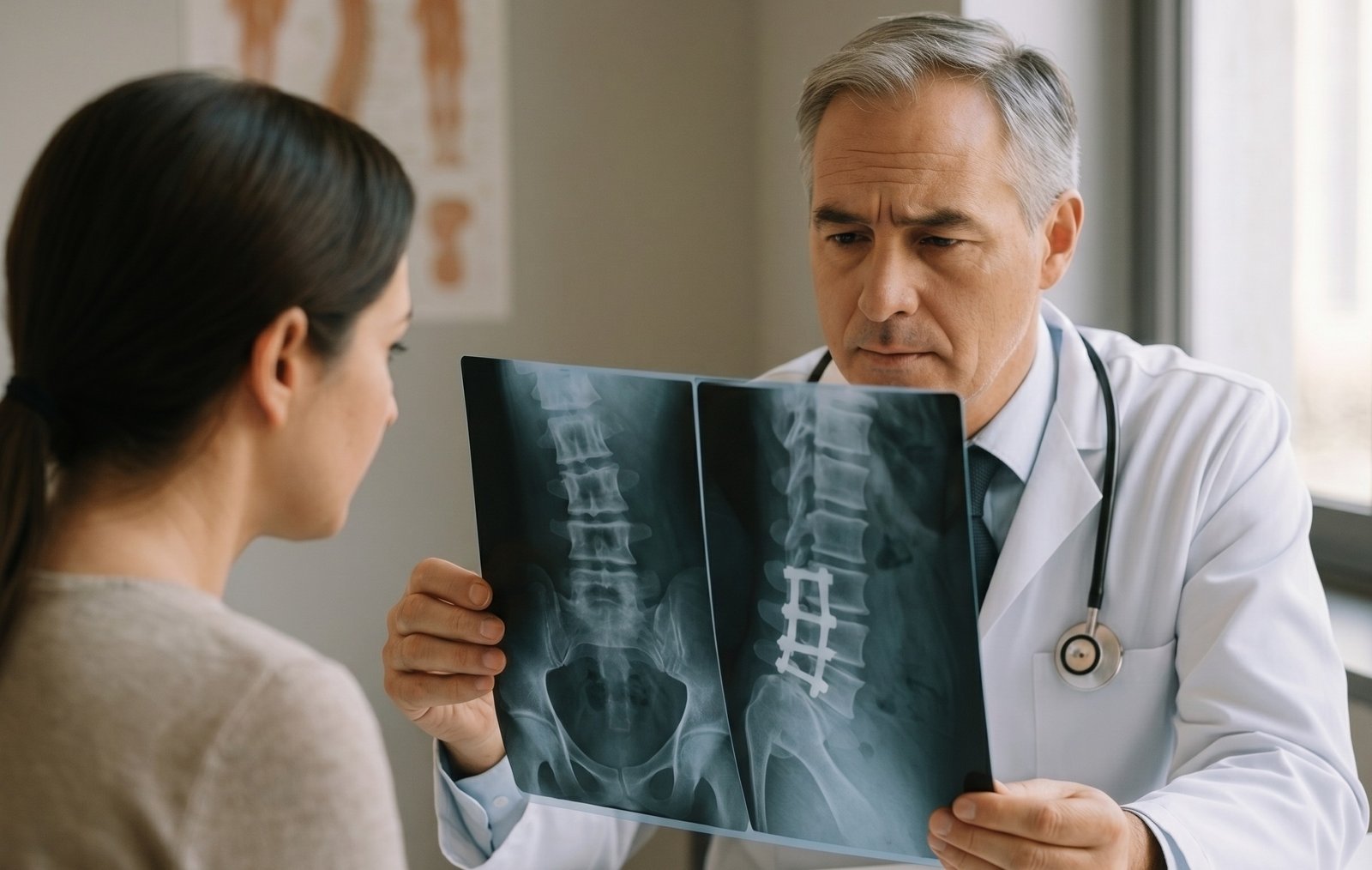
Indicated for patients with complex, multi-level or post-surgical nerve compression that has failed conservative treatment.
Multi-Level Disc Herniation / Sciatica
Herniated discs at both L4-L5 and L5-S1 causing bilateral shooting leg pain, calf cramps, burning feet, and toe numbness.
Lumbar Spinal Canal Stenosis
Neurogenic claudication where patients develop severe leg heaviness and pain after walking short distances (50–100m).
Failed Back Surgery Syndrome (FBSS)
Persistent or recurrent sciatica following previous open spine surgery due to dense fibrotic adhesions around the nerve roots.
Unfit for Major Open Spine Surgery
Elderly, cardiac, or diabetic patients who cannot safely undergo open laminectomy, bone fusion, or general anesthesia.
Failed Standard Epidural Injections
Patients who received simple interlaminar steroid shots that failed because the medicine could not penetrate thick scar barriers.
Coccygodynia & Pelvic-Spinal Pain
Chronic low sacral and tailbone nerve irritation with referred pain to the perineum and lower buttocks successfully calmed via caudal access.
Caudal RACZ Neuroplasty vs. Standard Blind Injections
| Clinical Parameter | Caudal RACZ Neuroplasty (Dr. Shrutika) | Standard Blind Epidural Injections |
|---|---|---|
| Image Guidance | 100% C-Arm Fluoroscopy with Epidurogram Dye Map | Often performed blind without X-ray confirmation |
| Scar Tissue Lysis | Active mechanical catheter lysis + Hyaluronidase | Passive fluid injection (Bounces off scar tissue) |
| Target Location | Anterior Ventral space directly where disc herniates | Posterior dorsal space far from nerve compression |
| Multi-Level Coverage | Simultaneous L3, L4, L5, S1 levels through single entry | Limited to single needle puncture level |
| Duration of Pain Relief | Long-term (12 to 24+ months of sustained relief) | Short-lived (2 to 4 weeks before pain returns) |
How Caudal Neuroplasty is Performed
Sacral Hiatus Local Numbing
The patient lies comfortably prone. The natural sacral opening at the tailbone is gently numbed with local anesthesia.
C-Arm Guided RACZ Cannulation
A specialized 16-gauge introducer needle is placed under live fluoroscopic X-ray into the caudal epidural space.
Epidurogram Scar Mapping
Non-ionic radiocontrast dye maps filling defects, showing where dense adhesions are trapping the nerve root sleeves.
Steerable Catheter Navigation
The flexible spring-wound catheter is steered up to the specific disc pathology (L4-L5, L5-S1) to mechanically dissect scar bands.
Targeted Enzymatic Infusion
Hyaluronidase, concentrated anti-inflammatories, and 10% hypertonic saline are infused to reduce swelling and dissolve scar tissue.
Band-Aid & 2-Hour Ambulation
Catheter is removed and a waterproof Band-Aid applied. Patient gets up, walks comfortably within 2 hours, and goes home.
Caudal Neuroplasty Modalities in Patna
RACZ Spring Catheter
Atraumatic spring-coiled catheter designed to safely negotiate around dense scar tissue without piercing the dura.
Hypertonic Saline Lysis
Osmotic fluid infusion that draws out fluid from swollen, inflamed nerve roots and reduces neuro-ischemic pressure.
Hyaluronidase Wash
Breaks down hyaluronic acid bonds in peridural fibrotic bands, restoring smooth nerve excursion.
Caudal PRF Neuromodulation
Delivers non-destructive electromagnetic fields to desensitize chronified dorsal horn pain pathways.
Common Questions on Caudal Neuroplasty
Why Choose Dr. Shrutika for Caudal Neuroplasty in Patna
- Authentic Racz Catheter Protocol: Steerable Tun-L-Kath spring-tipped catheter maneuvers directly into the anterior ventral epidural space.
- Real-Time Epidurography Mapping: Visualizes filling defects and scar zones, ensuring complete enzymatic and mechanical neurolysis of pinched nerves.
- Breakthrough for Chronic Sciatica: Unlocks stuck, scarred nerve roots that failed to respond to regular epidural injections or oral medicines.
- Safe Sacral Hiatus Approach: Natural anatomical entry with zero bone removal, zero stitches, and comfortable same-day discharge.
- Long-Lasting Clinical Relief: Delivers targeted hypertonic saline, hyaluronidase, and anti-inflammatory washes for durable pain freedom.
- Gold Medalist Clinical Excellence: Dedicated pain medicine expert offering proven interventional spine care with high patient satisfaction.

Don't Let Chronic Pain Control Your Life.
Take the first step toward understanding your pain and exploring modern, evidence-based minimally invasive relief with Dr. Shrutika Bhagat.