CRPS / RSD Treatment in Patna
Relief from burning limb agony, temperature/color changes, and post-injury hypersensitivity through precision Stellate & Lumbar Sympathetic RFA and Spinal Cord Stimulation.
Understanding Complex Regional Pain Syndrome (CRPS / RSD)
Complex Regional Pain Syndrome (CRPS), formerly known as Reflex Sympathetic Dystrophy (RSD) or Causalgia, is a severe neuro-inflammatory and sympathetic nervous system disorder that typically develops in an arm or leg following a fracture, sprain, minor surgery, or trauma.
The hallmark of CRPS is pain that is disproportionately severe and prolonged compared to the inciting minor injury. The sympathetic nervous system becomes hyperactive and "locked" into an abnormal feedback loop, causing autonomic dysregulation:
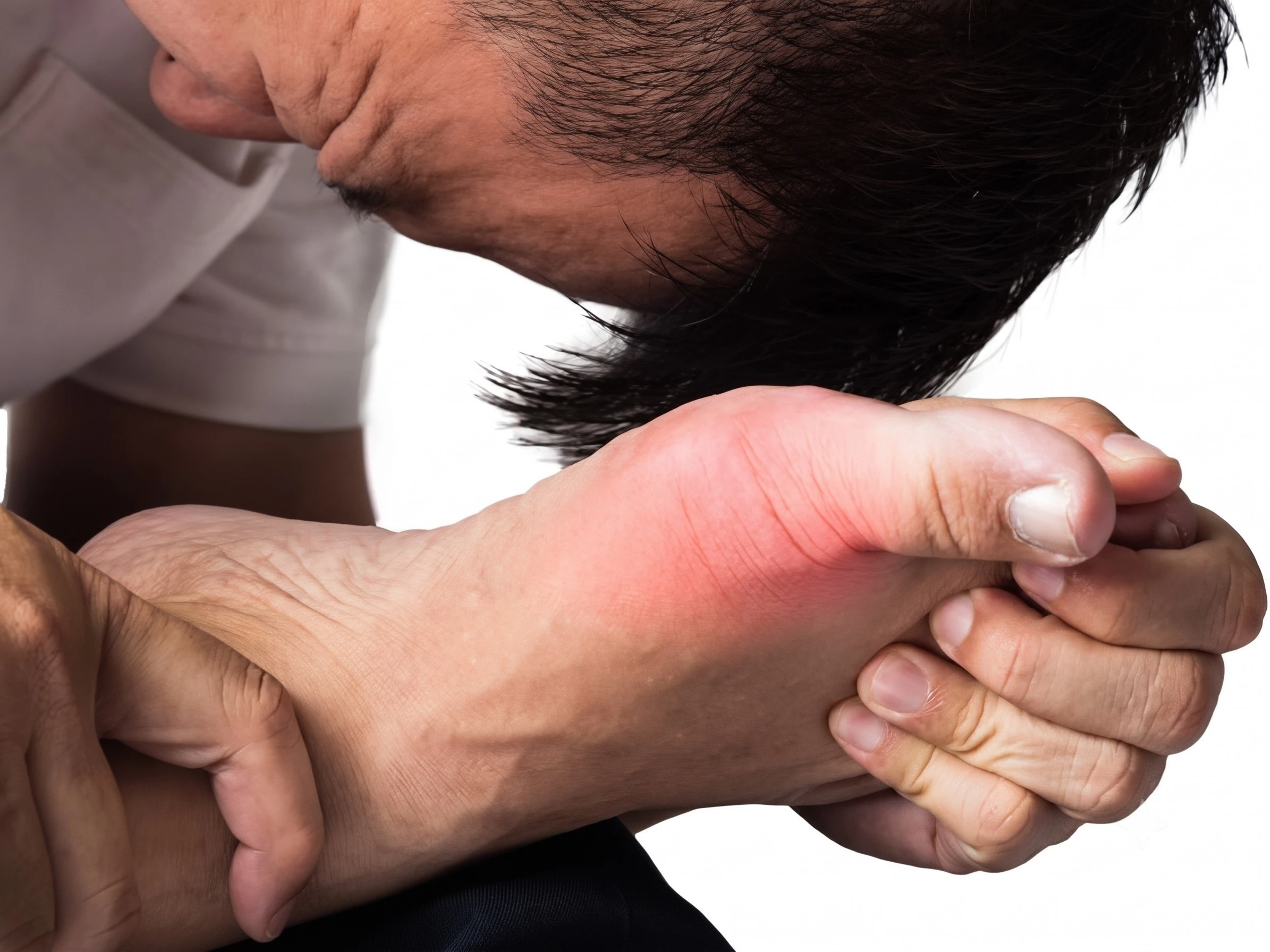
- Vasomotor Instability: Dramatic temperature fluctuations (limb turns burning hot or icy cold) and skin color changes (mottled red, purple, or pale).
- Sudomotor Changes: Asymmetrical localized sweating and severe swelling (edema).
- Trophic Changes: Abnormal rapid nail and hair growth or brittle nails, accompanied by muscle atrophy and joint stiffness.
Early Interventional Sympathetic Blocks (Stellate / Lumbar Ganglion) and Spinal Cord Stimulation (SCS) break this abnormal sympathetic storm, restoring microvascular circulation, calming severe allodynia, and preventing permanent limb dystonia.
CRPS Types & Clinical Phases
Understanding whether you have Type 1 (RSD) or Type 2 (Causalgia) and identifying your current disease phase.
Warm / Inflammatory Phase
Limb is warm, red, and intensely swollen. Severe burning pain and allodynia (cotton touch hurts). Rapid nail growth.
Cold / Ischemic Phase
Limb turns icy cold, cyanotic (purple/blue), and mottled. Severe skin shiny tightness, brittle nails, and joint stiffness.
Atrophic / Fixed Dystonia
Severe muscle wasting, tendon contractures, osteoporosis (Sudeck's atrophy), and locked claw hand or club foot contracture.
Our 4-Step Diagnostic Protocol for CRPS
Applying validated international Budapest Diagnostic Criteria to detect CRPS early and avoid permanent contractures.
Budapest Clinical Exam
Screening 4 categories: sensory (allodynia), vasomotor (temperature >1°C delta), sudomotor (edema/sweat), and motor/trophic signs.
Digital Thermography / X-Rays
Bilateral comparative digital X-rays to detect patchy periarticular demineralization (Sudeck's Bone Atrophy).
High-Resolution Ultrasound
Dynamic ultrasound scan of peripheral nerve trunks (Median/Ulnar or Tibial/Peroneal) to rule out discrete nerve laceration (CRPS-2).
Diagnostic Sympathetic Block
Gold Standard: Image-guided Stellate / Lumbar block. Immediate limb warming and >75% pain drop confirms SMP.
Interventional Treatments for CRPS / RSD
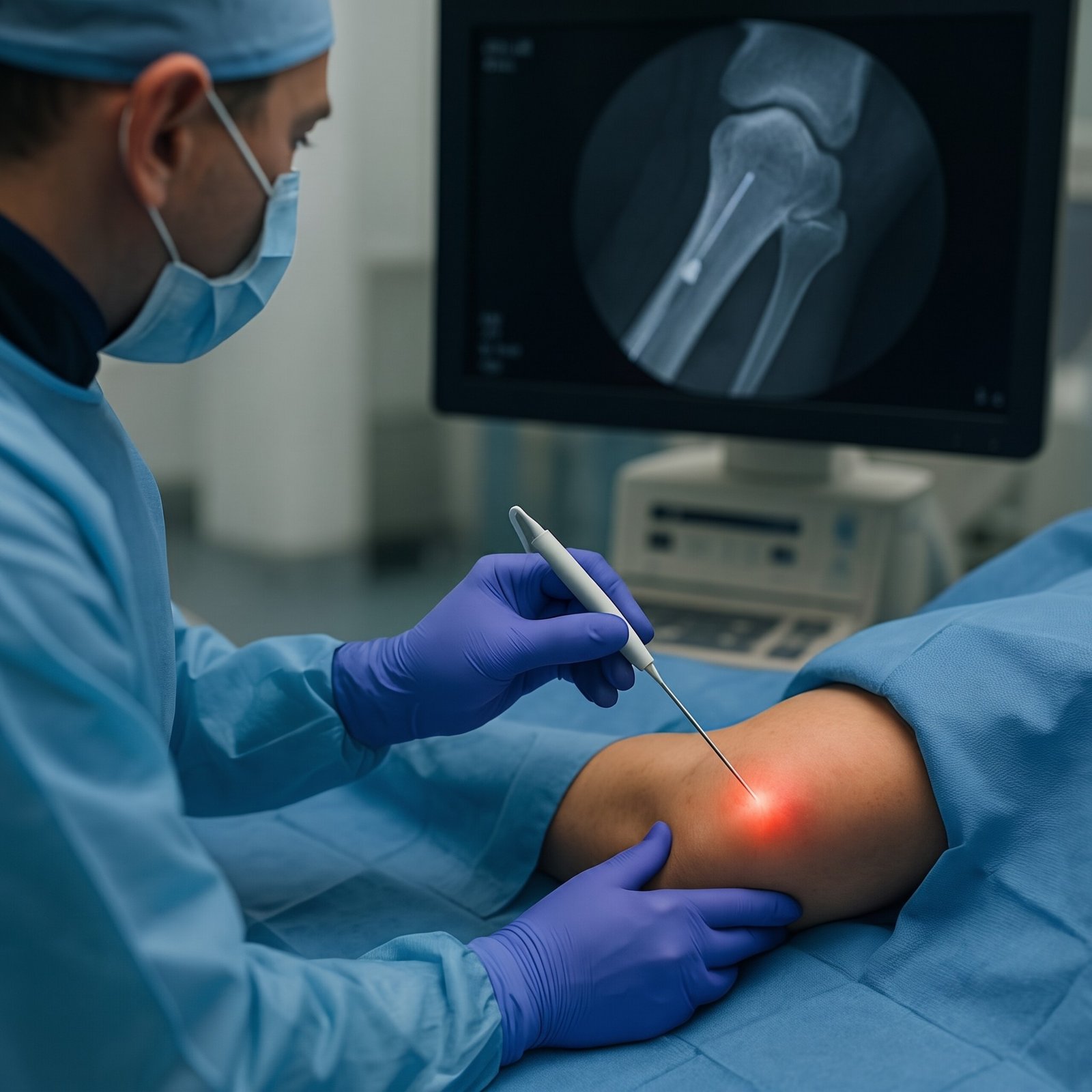
Advanced daycare procedures performed under live fluoroscopic C-Arm and ultrasound guidance by Dr. Shrutika Bhagat in Patna.
Upper Limb Gold Standard
Stellate Ganglion Block & PRF
Ultrasound-guided precision delivery of local anesthetic or pulsed radiofrequency (PRF) at the C6/C7 vertebral level, shutting down hyperactive sympathetic outflow to the shoulder, arm, and hand.
- Warms cold arm and stops burning instantly
- Unlocks finger movement and reduces swelling
 12-24 Mos Relief
Lumbar Sympathetic Ganglion RFA
C-Arm fluoroscopy-guided thermal neurolysis at the L2/L3 levels, providing long-term deactivation of sympathetic vasoconstrictor tone to the knee, leg, ankle, and foot.
- Eliminates foot discoloration & burning
- Enables normal weight-bearing walking
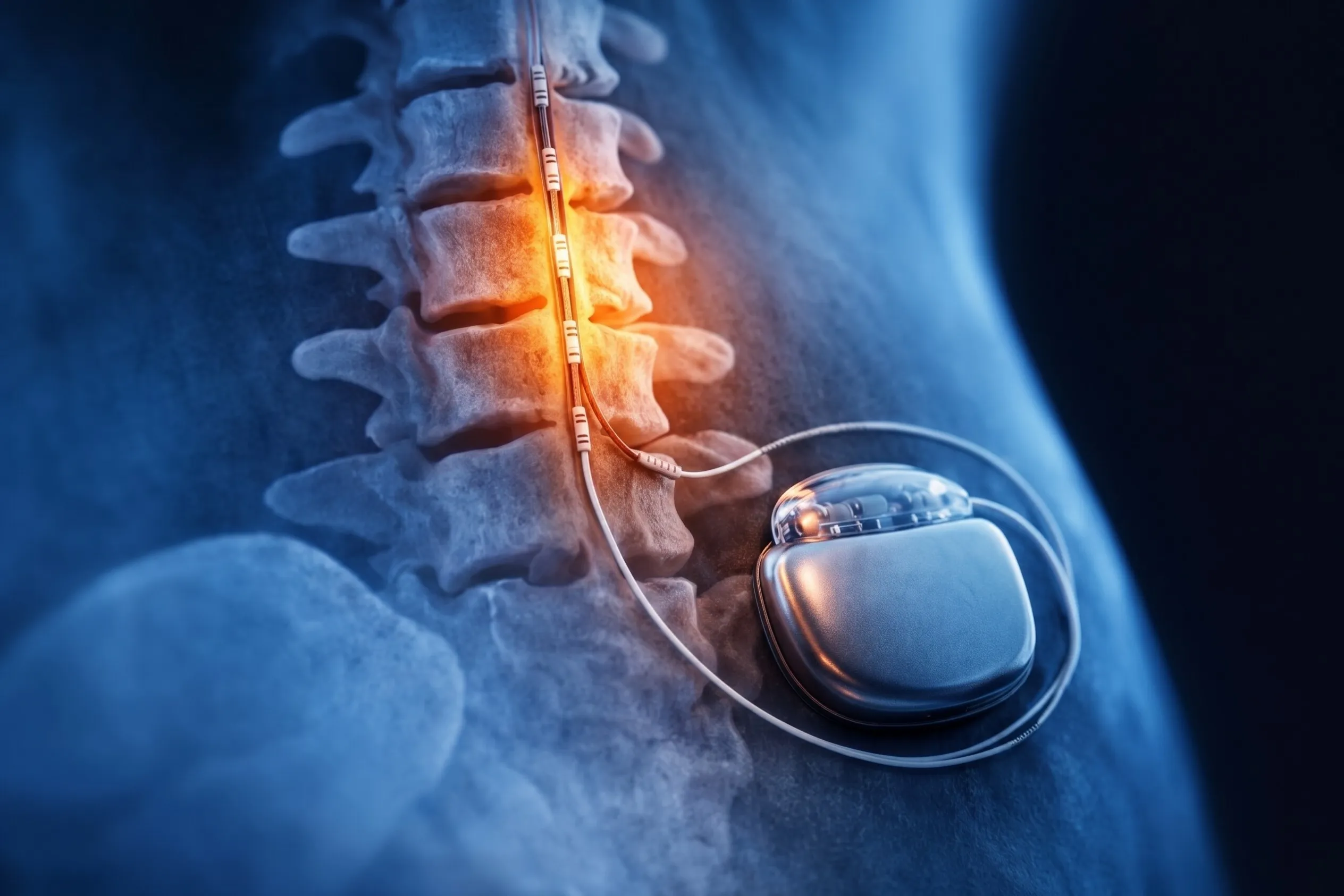 Neuromodulation
Spinal Cord Stimulation (SCS / DRG-S)
FDA-approved gold standard for chronic intractable CRPS: epidural leads deliver electrical field stimulation to dorsal columns or DRG, overriding burning pain signals and reversing limb dystonia.
- Proven success in Stage 2 and Stage 3 CRPS
- Temporary trial period to confirm pain drop
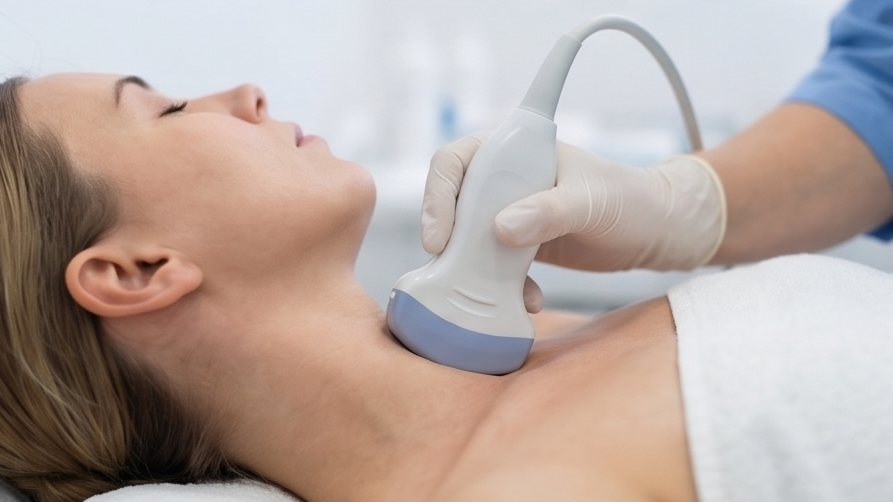 Hydrodissection
Ultrasound Nerve Hydrodissection
Precision ultrasound-guided fluid release of scarred, adhered peripheral nerves (median, radial, peroneal) trapped in postoperative or post-fracture scar tissue.
- Restores free nerve sliding and mobility
- Removes localized entrapment ischemia
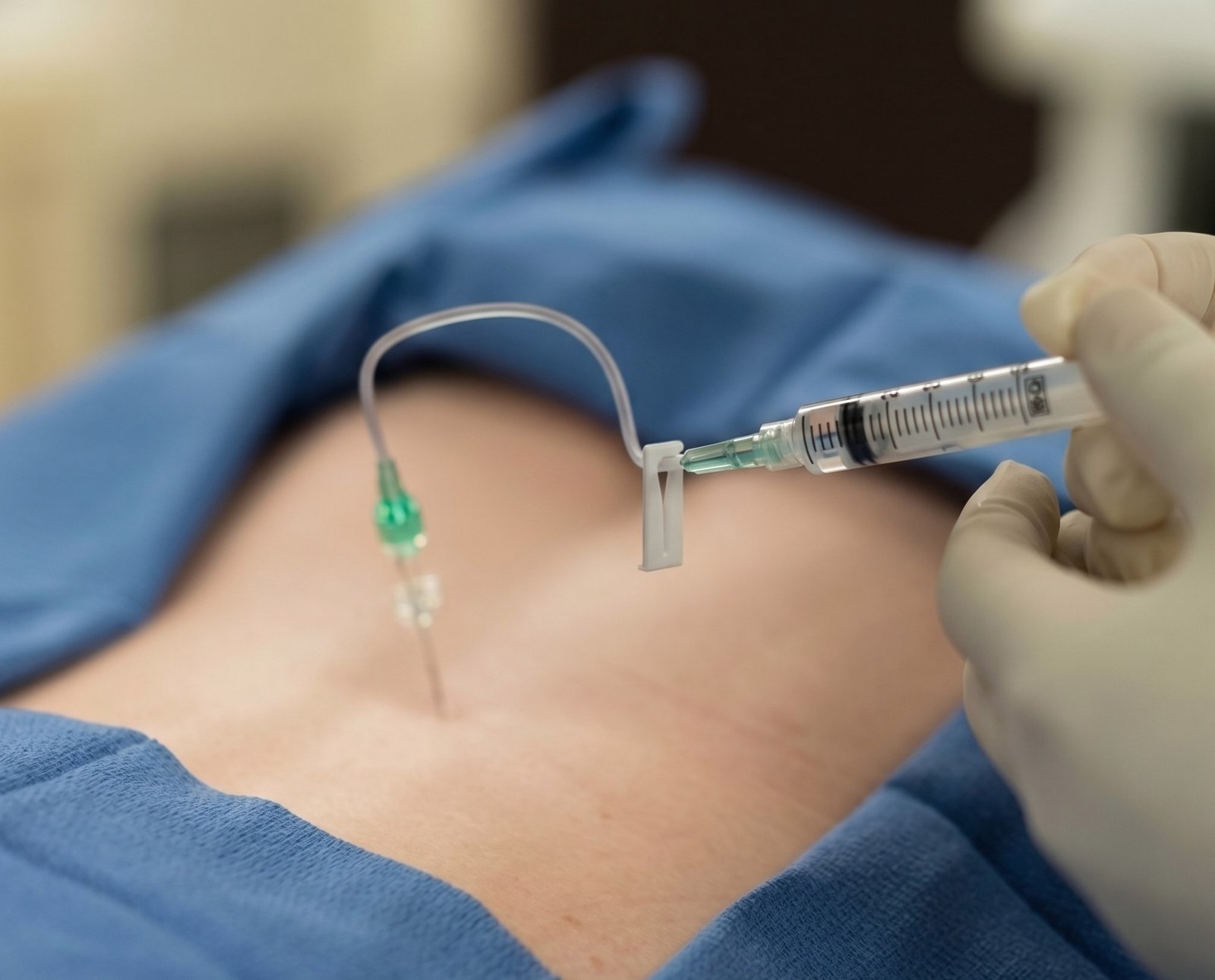 NMDA Receptor Reset
Ketamine & Lidocaine Infusions
Monitored sub-anesthetic intravenous infusions of NMDA receptor antagonists to "re-boot" centralized spinal wind-up and suppress widespread neuropathic hyperalgesia.
- Resets chronic central pain sensitization
- Performed in monitored daycare suite
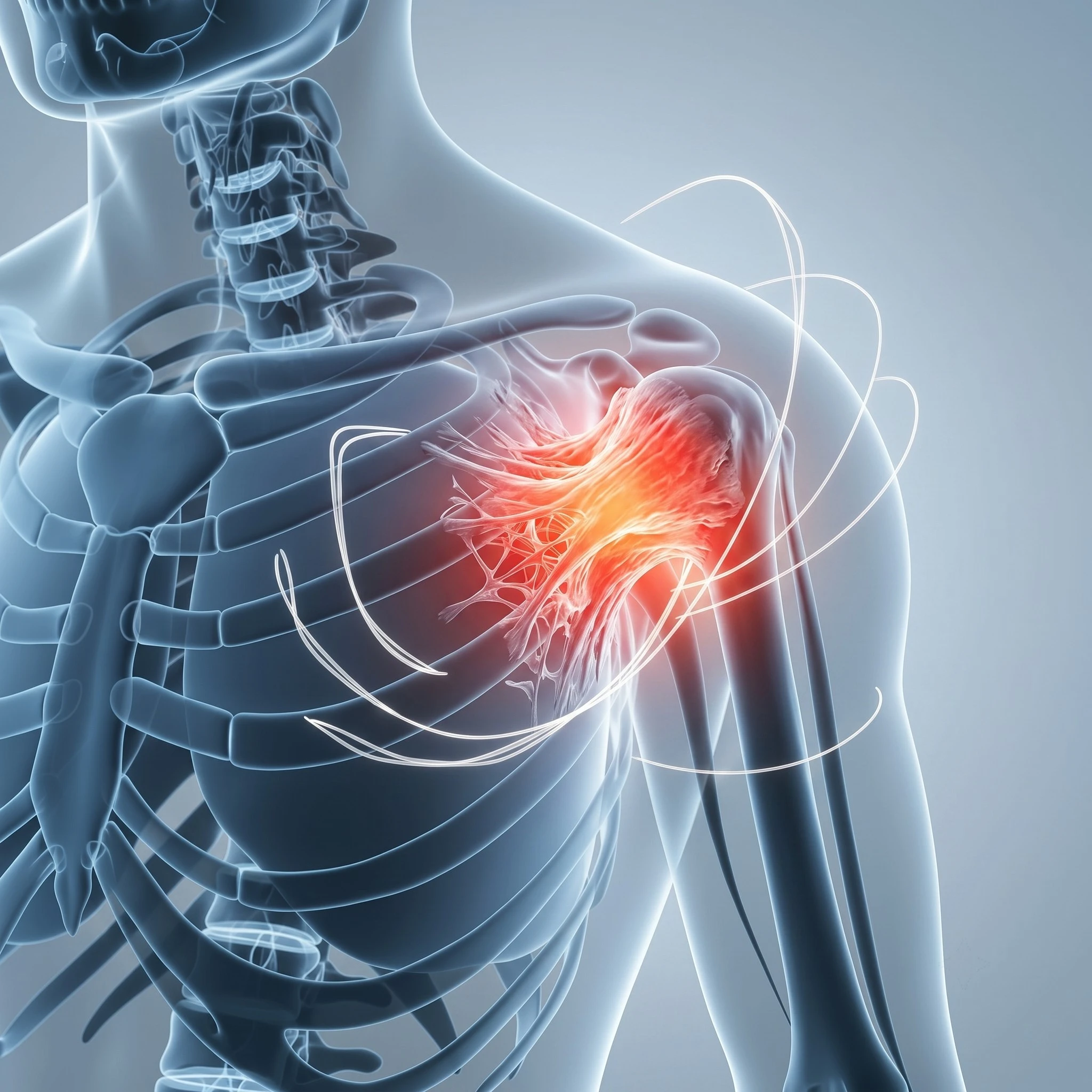 Rehabilitation
Graded Motor Imagery (GMI)
Structured neuro-cognitive rehabilitation using left/right limb recognition, explicit motor imagery, and mirror visual feedback to restore normal brain cortical representation of the limb.
- Reclaims lost cortical hand/foot mapping
- Essential for long-term functional recovery
Passive Waiting / Immobilization vs. Early Interventions
Why immobilizing a CRPS limb is dangerous and why early sympathetic blocks are vital.
| Clinical Feature | Passive Immobilization & Painkillers Alone | Early Sympathetic Blocks & Neuromodulation |
|---|---|---|
| Risk of Permanent Contracture | Extremely high (Limb freezes into permanent clawing & dystonia) | Near zero; enables immediate pain-free active joint mobilization |
| Microvascular Blood Flow | Worsening vasoconstriction turns limb ischemic, cyanotic & cold | Restores normal arterial circulation, warmth & capillary flow |
| Bone Mineral Density | Rapid severe osteopenia (Sudeck's patchy bone atrophy) | Protects bone mineral density through restored weight-bearing |
| Tactile Touch Tolerance | Patient cannot tolerate water, clothes, or light touch for years | Extinguishes allodynia, allowing normal hand/foot washing & wear |
| Time to Treatment | Months of wasted time on ineffective anti-inflammatory pills | Immediate 20-minute outpatient intervention in golden window |

Dr. Shrutika Bhagat
MBBS, MD, FIRA, FIAPM | Interventional Pain & Spine Endoscopy
Dr. Shrutika Bhagat brings super-specialized training in full-endoscopic spine surgery and image-guided interventional pain management, having successfully treated thousands of patients with severe back pain, disc prolapse, sciatica, nerve compression, and joint arthritis in Patna.
CRPS / RSD FAQs
Clinical answers regarding Stellate/Lumbar blocks, why pain spreads after trauma, and Spinal Cord Stimulation.
Don't Let Chronic Pain Control Your Life.
Take the first step toward understanding your pain and exploring modern, evidence-based minimally invasive relief with Dr. Shrutika Bhagat.