Peripheral & Diabetic Neuropathy Treatment in Patna
Relief from burning feet, pins & needles, numbness, and shooting leg shocks through precision Lumbar Sympathetic RFA, nerve hydrodissection & advanced neuromodulation without sedation dependency.
Understanding Diabetic Peripheral Neuropathy (Burning Feet)
Diabetic Peripheral Neuropathy (DPN) is the most prevalent long-term microvascular complication of chronic Diabetes Mellitus, affecting up to 50% of diabetic individuals over time.
Prolonged high blood sugar levels activate the polyol pathway, causing intracellular sorbitol accumulation, advanced glycation end-products (AGEs), and oxidative stress. This starves the microscopic blood vessels supplying peripheral nerves (Vasa Nervorum), causing endoneurial ischemia and progressive axonal degeneration in a classic length-dependent "stocking-and-glove" distribution.
Patients suffer from paradoxically mixed symptoms: severe burning, electric shocks, and extreme touch sensitivity (allodynia) alongside progressive numbness and loss of protective sensation that significantly increases the risk of undetected diabetic foot ulcers.
Interventional Pain Management provides life-changing alternatives to high-dose oral pills. C-Arm guided Lumbar Sympathetic Blocks / RFA dilate peripheral blood vessels to warm cold, ischemic feet, while ultrasound nerve hydrodissection and Spinal Cord Stimulation (SCS) restore uninterrupted, restorative sleep.
Signs of Diabetic & Peripheral Neuropathy
Peripheral neuropathy involves both small-fiber (burning pain) and large-fiber (numbness and balance issues) nerve damage.
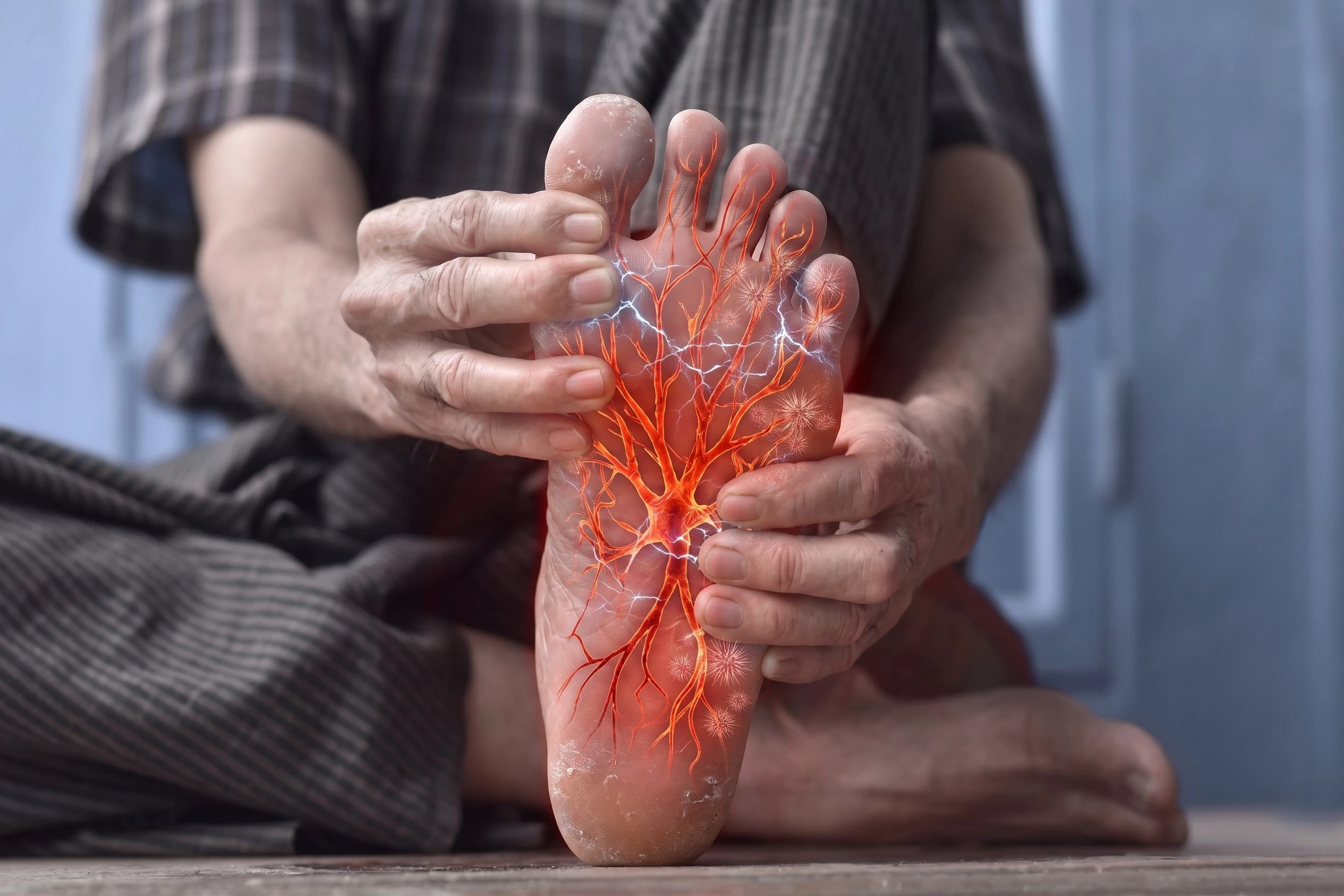
Agonizing Nighttime Burning
Intense burning sensations on the soles of the feet that worsen dramatically in bed, forcing patients to keep their feet uncovered or apply ice packs.
Allodynia & Hypersensitivity
Even the lightest touch—such as wearing socks or the weight of a bedsheet—causes sharp, intolerable stinging and electric shocks (tactile allodynia).
Cotton-Wool Numbness & Imbalance
Loss of protective vibration and position sense. Feeling like "walking on cotton wool" or crumpled socks, causing unsteady balance in dim light.
Our 4-Step Diagnostic Protocol for Neuropathy
Comprehensive quantification of small and large fiber nerve injury to build a personalized interventional plan.
Semmes-Weinstein Exam
10-gram monofilament tactile test and 128 Hz tuning fork vibration testing across 10 plantar anatomical points.
NCV / EMG Studies
Nerve Conduction Velocity testing of tibial, peroneal, and sural nerves to measure conduction delay and axonal loss.
Ultrasound Nerve Scan
High-resolution ultrasound measuring Cross-Sectional Area (CSA) of the tibial nerve at the tarsal tunnel to rule out entrapment.
Diagnostic Block
Fluoroscopy-guided Lumbar Sympathetic test block. Rapid foot temperature rise and >70% pain relief confirms sympathetic involvement.
Interventional Treatments for Diabetic Neuropathy
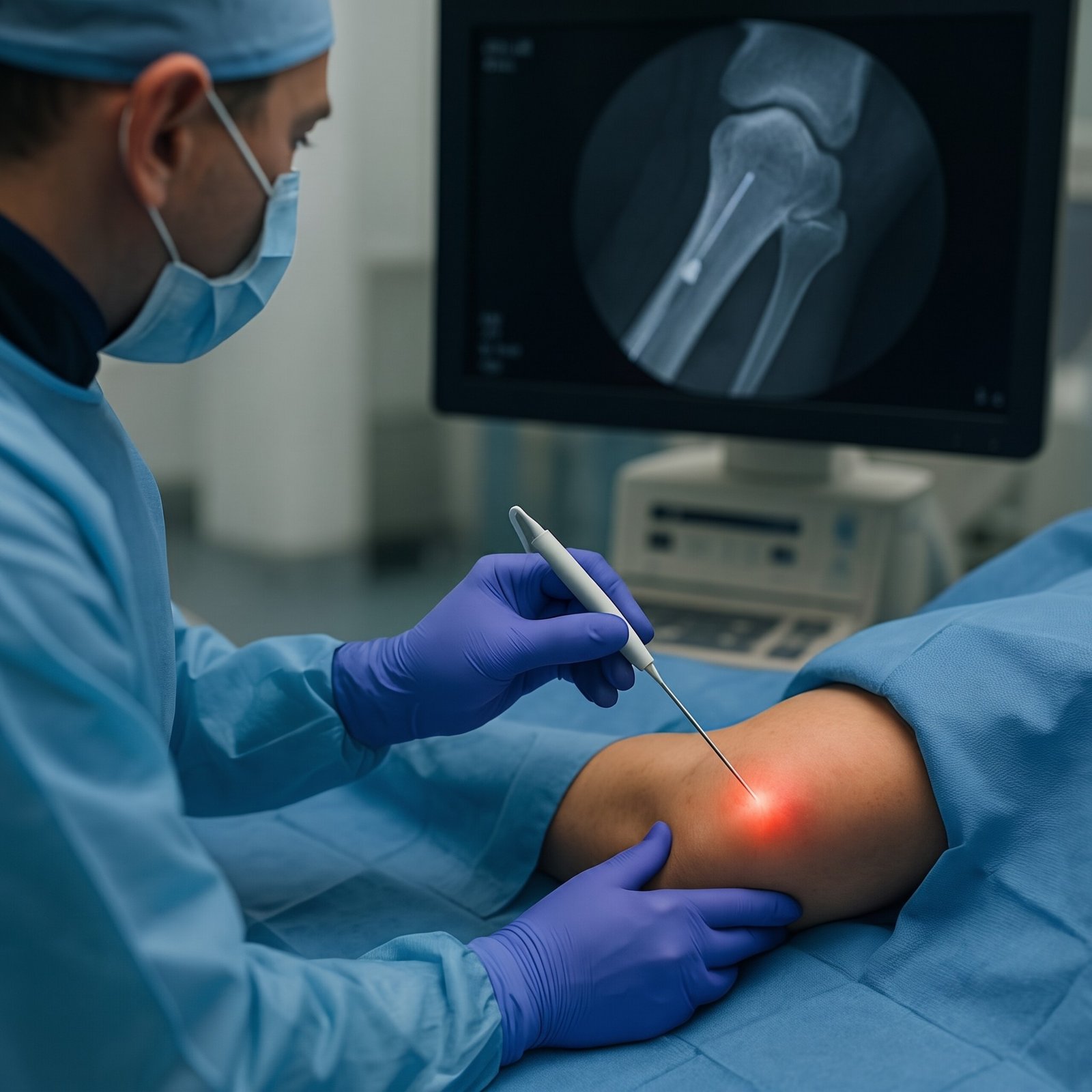
Daycare procedures performed under live fluoroscopic C-Arm and ultrasound guidance by Dr. Shrutika Bhagat in Patna.
 12-24 Mos Relief
Lumbar Sympathetic Ganglion RFA
C-Arm guided thermal neurolysis at the L2/L3 vertebral body levels. It shuts down pathological sympathetic vasoconstriction, significantly increasing arterial microcirculation to warm cold feet and stop burning sensations.
- Eliminates nocturnal burning & tingling
- Accelerates healing of ischemic foot sores
 Neuromodulation
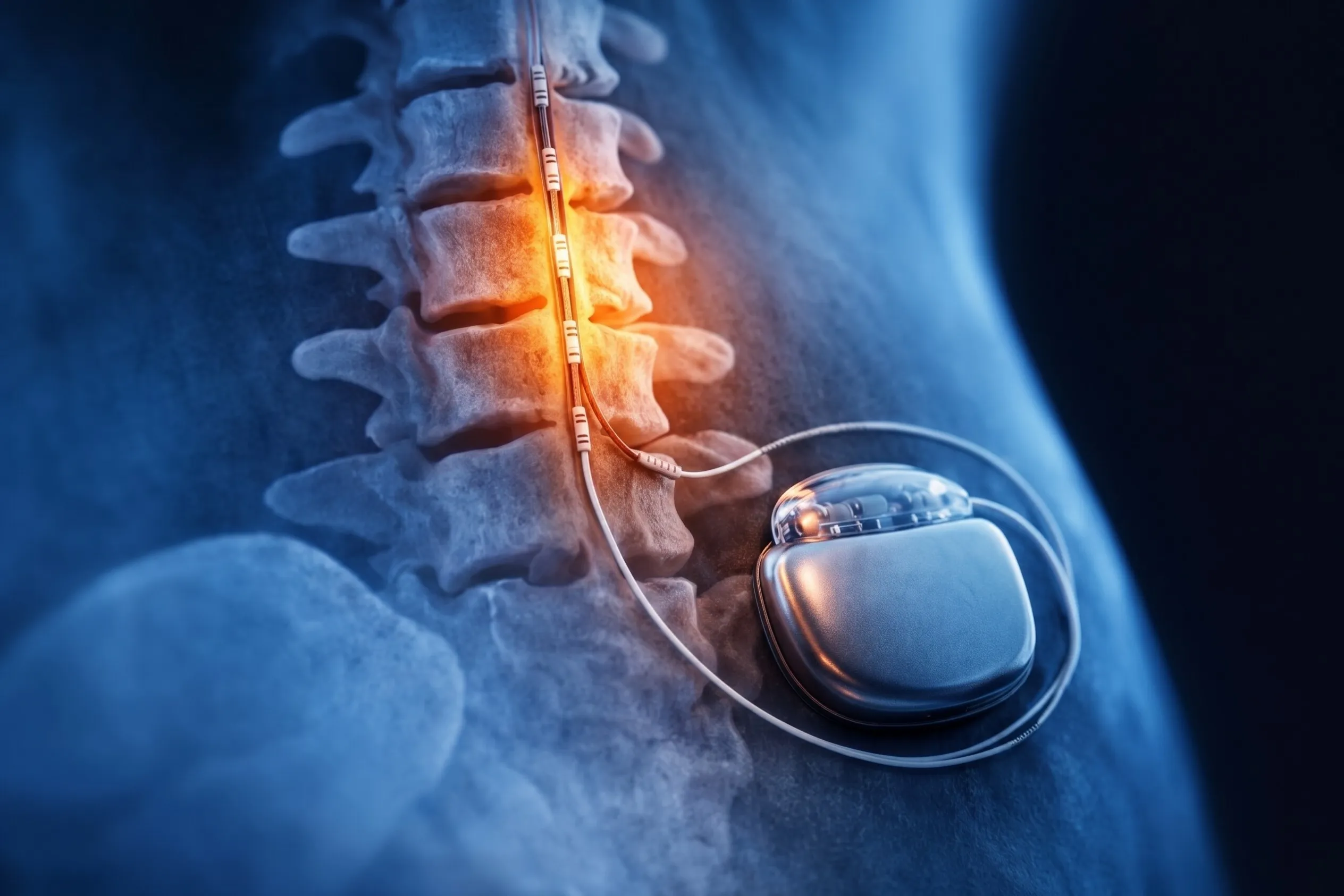
Spinal Cord Stimulation (SCS)
For medication-resistant severe diabetic neuropathy: ultra-thin epidural leads deliver mild electrical impulses to the posterior spinal columns, overriding pain signals before they reach the brain.
- FDA-approved for painful diabetic neuropathy
- Trial period to test relief before permanent implant
 Nerve Decompression
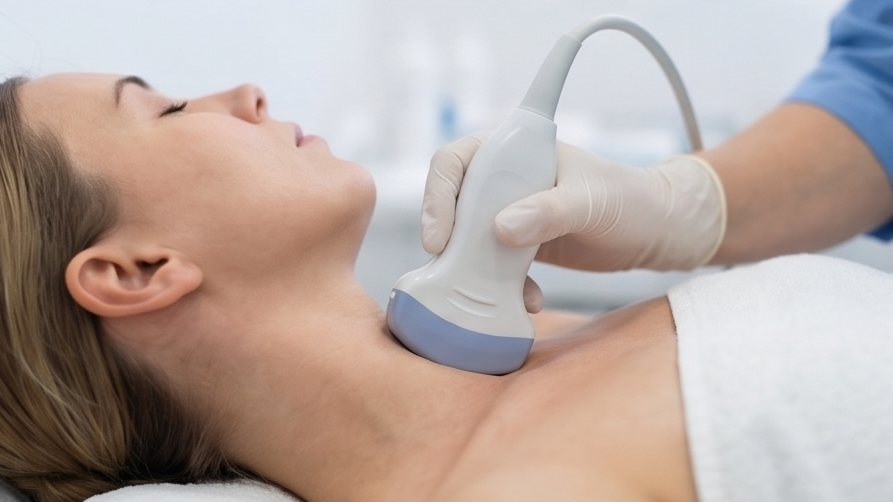
Tibial & Peroneal Hydrodissection
Diabetic nerves swell and get mechanically pinched inside the tarsal tunnel and fibular head (Double Crush Syndrome). Ultrasound-guided fluid hydrodissection gently frees the trapped nerve fibers.
- Decompresses swollen diabetic nerves
- Restores sensation in soles and toes
 Biologic Repair
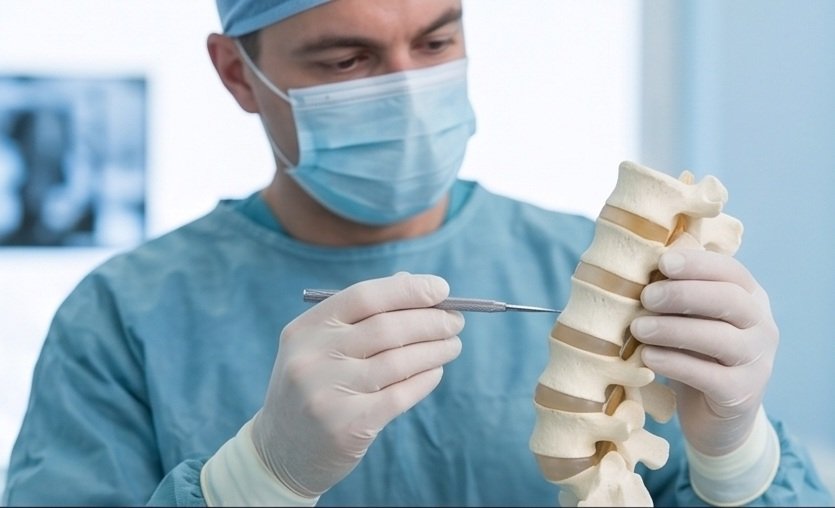
Autologous Neural PRP Biotherapy
Platelet-derived growth factors (VEGF, NGF, PDGF) injected along the perineural sheaths of peripheral nerves to stimulate microvascular angiogensis and support axonal remyelination.
- 100% natural healing growth factors
- Slows progressive axonal degeneration
 Metabolic Therapy
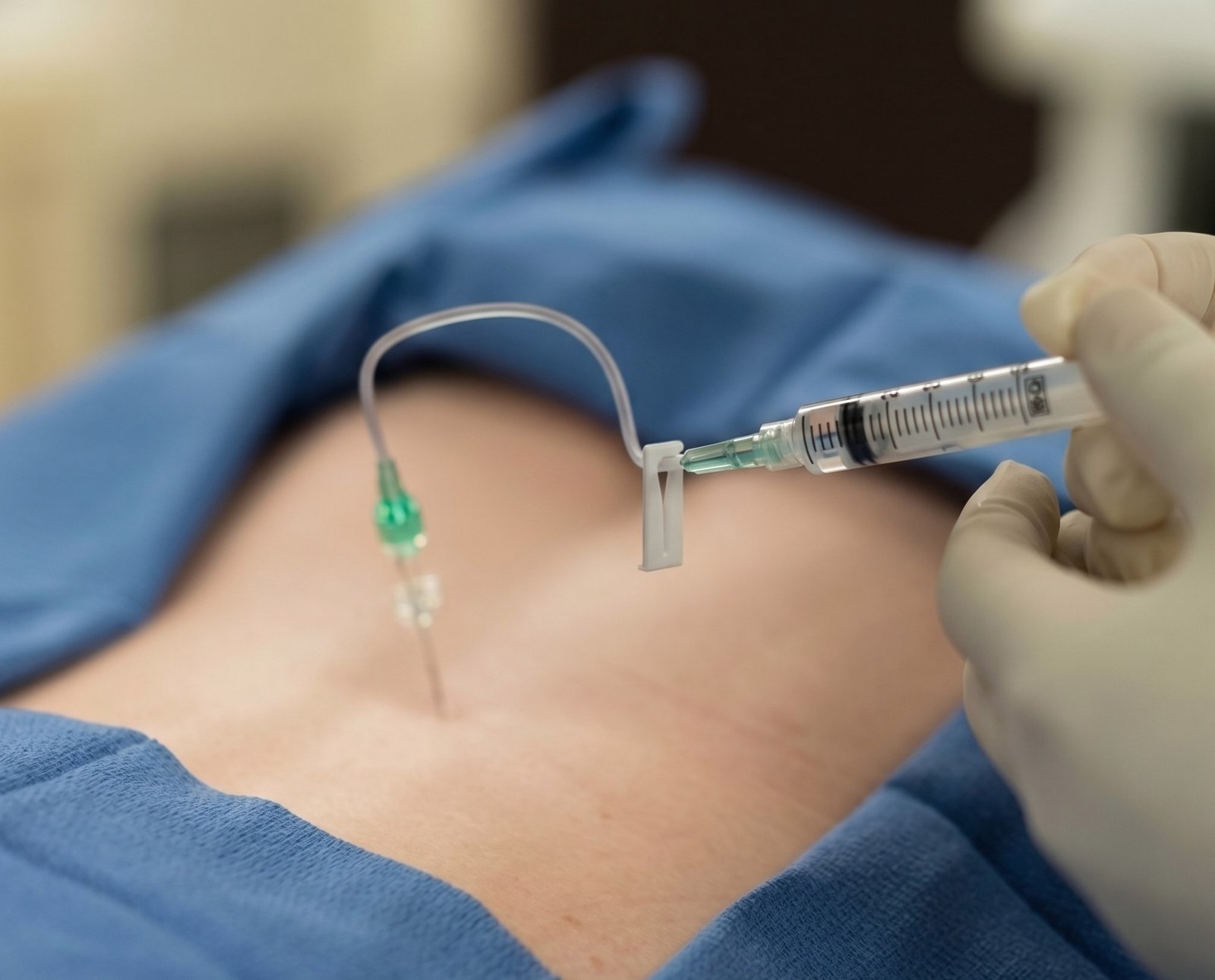
Alpha-Lipoic Acid IV Infusions
Direct intravenous infusion of potent antioxidants (Alpha-Lipoic Acid, Methylcobalamin, Benfotiamine) to scavenge free radicals and replenish energy metabolism in hypoxic nerve cells.
- Clinically proven to reduce neuropathic burning
- Improves microvascular blood flow
 Preventive Care
Diabetic Foot Preservation
Customized pressure-relieving orthotics, customized seamless diabetic footwear, and skin moisture barrier optimization to prevent high-pressure callus breakdown and chronic diabetic foot ulcers.
- Protects insensate feet from ulcers
- Preserves independent mobility
Oral Sedative Pills vs. Interventional Neuromodulation
Why interventional procedures offer better pain relief without the debilitating side effects of high-dose neuropathic medications.
| Clinical Feature | High-Dose Pills (Pregabalin / Gabapentin / Opioids) | Interventional Blocks, RFA & SCS |
|---|---|---|
| Cognitive & Brain Impact | Severe daytime drowsiness, memory fog & unsteadiness (Fall risk) | Zero central sedation; patient remains clear-headed and alert |
| Microvascular Blood Flow | No effect on underlying nerve ischemia or blood flow | Sympathetic RFA actively dilates vessels to restore blood supply |
| Nerve Decompression | Cannot release physical nerve entrapment in tarsal tunnel | Ultrasound hydrodissection mechanically frees swollen nerves |
| Kidney & Liver Safety | Dose limited in diabetic kidney disease (Diabetic Nephropathy) | Completely safe for patients with altered creatinine/kidney function |
| Quality of Sleep | Medication wears off by 3 AM, causing nocturnal awakening | Continuous 24/7 relief allows uninterrupted restorative sleep |

Dr. Shrutika Bhagat
MBBS, MD, FIRA, FIAPM | Interventional Pain & Spine Endoscopy
Dr. Shrutika Bhagat brings super-specialized training in full-endoscopic spine surgery and image-guided interventional pain management, having successfully treated thousands of patients with severe back pain, disc prolapse, sciatica, nerve compression, and joint arthritis in Patna.
Diabetic Neuropathy FAQs
Clinical answers regarding burning feet, Lumbar Sympathetic RFA, nerve hydrodissection, and reducing pain medication.
Don't Let Chronic Pain Control Your Life.
Take the first step toward understanding your pain and exploring modern, evidence-based minimally invasive relief with Dr. Shrutika Bhagat.