Discography in Patna
Gold-standard provocative disc pain mapping for internal disc disruption (IDD) & annular tears. Pinpoint the exact pain generator before targeted endoscopy or regenerative therapy.
The Gold Standard for Identifying Discogenic Pain
An MRI scan is an anatomical picture that frequently shows degenerated or bulging discs in completely healthy, pain-free people. When an MRI reveals mild disc changes at multiple levels (L3-L4, L4-L5, L5-S1), an MRI alone cannot tell which specific disc is actively causing your pain.
Provocative Discography (Disc Pain Mapping) is the only functional diagnostic procedure that directly tests the nociceptive pain receptors inside individual intervertebral discs.
Under live C-Arm fluoroscopic guidance and local anesthesia, Dr. Shrutika Bhagat places a fine micro-needle into the center of the suspected disc (nucleus pulposus). By injecting small amounts of pressurized contrast dye while monitoring manometric pressures, the test assesses whether pressurizing that specific disc reproduces your exact daily clinical back pain (Concordant Pain) while adjacent control discs remain completely painless. This prevents unnecessary multi-level open surgeries and guides precise minimally invasive treatments.
Who Needs Provocative Discography?
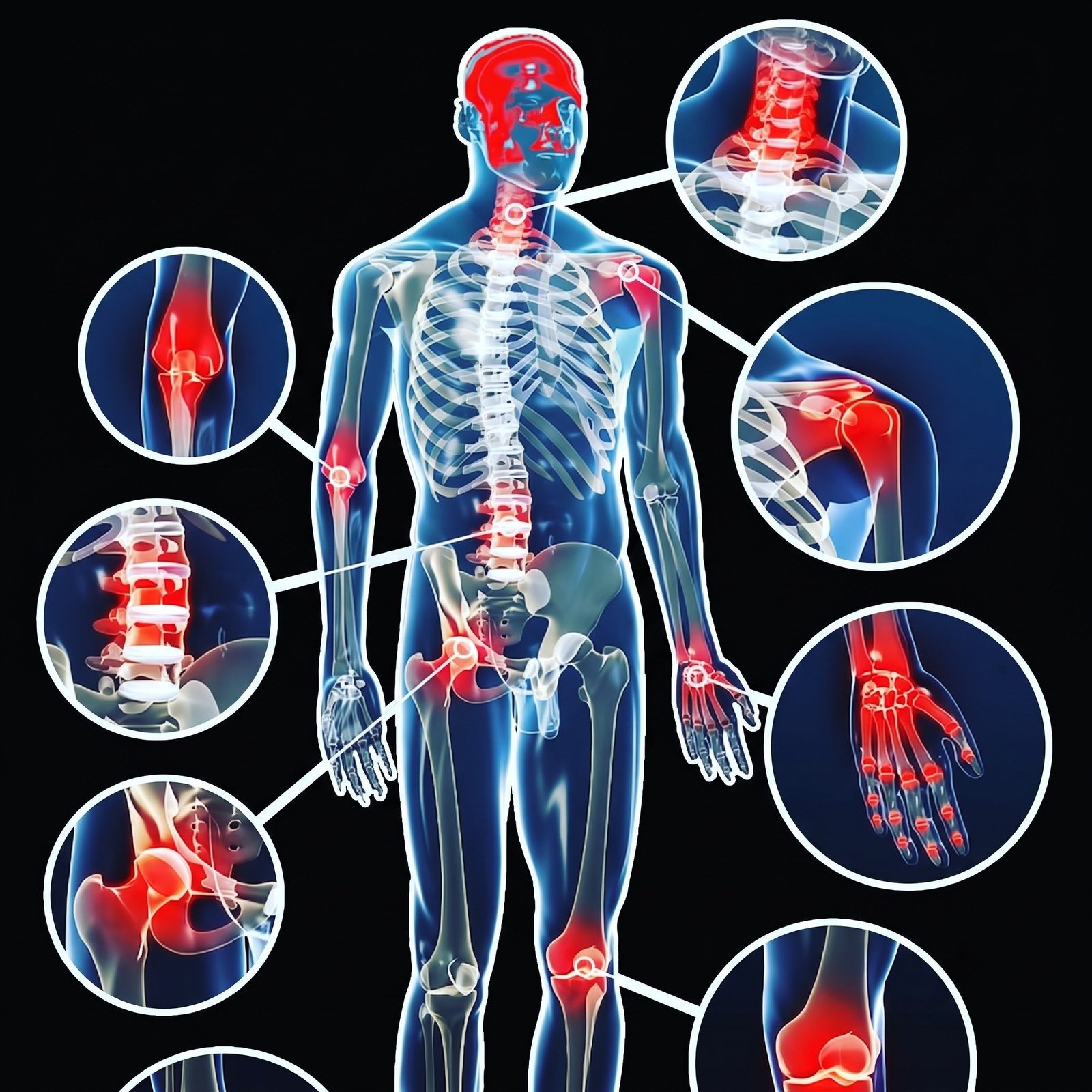
Indicated for patients with persistent, severe axial back or neck pain when non-invasive imaging shows ambiguous or multi-level disc changes.
Internal Disc Disruption (IDD)
Deep, agonizing midline lower back pain aggravated by prolonged sitting, forward bending, or coughing, caused by tears in the outer disc wall (annulus fibrosus).
Multi-Level Disc Degeneration on MRI
When MRI reports show degenerative disc disease at L3-L4, L4-L5, and L5-S1, discography isolates the single symptomatic culprit disc.
Annular Tears & High Intensity Zones (HIZ)
MRI bright spots (HIZ) on T2 sequences indicating vascularized inflammatory granulation tissue inside the posterior disc wall.
Failed Diagnostic Facet / SI Joint Blocks
Patients who did not achieve pain relief from facet joint injections or sacroiliac joint injections, confirming the pain is disc-originating.
Pre-Procedure Planning for Endoscopy / Biacuplasty
Roadmapping exact anatomical disc architecture before performing targeted endoscopic annuloplasty, disc biacuplasty, or intradiscal PRP injection.
Avoidance of Blind Multi-Level Fusion
Patients advised to undergo 2 or 3-level major fusion surgery, using discography to prove that only 1 level (or none) needs treatment.
Provocative Discography vs. Static MRI Scan Alone
| Clinical Parameter | Provocative Discography (Functional Mapping) | Standard MRI Scan Alone (Static Picture) |
|---|---|---|
| Diagnostic Capability | Functional: Recreates exact clinical pain live | Static: Shows structure but cannot prove pain origin |
| Multi-Level Discrimination | Identifies the single symptomatic level with control disc | Cannot differentiate painful discs from silent age-related wear |
| Annular Tear Assessment | Dynamic Dallas grading of radial & circumferential tears | Static 2D signal intensity only (Often misses micro-fissures) |
| False Positive Rate | Very low when performed under strict ISIS manometry | High (Up to 40% of normal people have abnormal disc MRIs) |
| Surgical Decision-Making | Prevents unnecessary fusions; guides keyhole targets | Often leads to overtreatment and blind multi-level surgery |
How Provocative Discography is Performed
Biplanar C-Arm Alignment
The patient lies comfortably prone. Fluoroscopy aligns the endplates of suspected discs and an adjacent normal control disc level.
Micro-Needle Placement
Under local anesthesia, a fine 25-gauge needle is steered through the posterolateral safe corridor into the center of the disc nucleus.
Controlled Contrast Infusion
Non-ionic radiopaque contrast mixed with antibiotic is infused slowly while a digital manometry syringe records opening pressures.
Concordant Pain Assessment
The patient verifies whether the sensation matches their exact daily back pain (Concordant) or feels unfamiliar (Non-concordant).
Control Disc Testing
An adjacent healthy disc is pressurized as a negative control to rule out generalized hyperalgesia and ensure scientific validity.
Post-Test Plan & Same-Day Home
Needles are removed and a small Band-Aid is applied. The patient rests for 1 hour, reviews their disc map, and goes home.
Disc Diagnostic & Therapeutic Modalities
Automated Manometric Discography
Quantitative pressure monitoring distinguishing chemically disrupted discs from normal high-pressure containment.
Post-Discogram CT Scan
High-resolution cross-sectional CT reconstruction showing the exact 3D path of contrast leakage through radial annular tears.
TransDiscal RF Biacuplasty
Cooled radiofrequency thermal coagulation of pain-sensing nociceptors inside confirmed discogenic tears.
Intradiscal Regenerative PRP
Targeted injection of autologous platelet-rich plasma and growth factors directly into the identified torn disc to stimulate collagen healing.
Common Questions on Provocative Discography
Why Choose Dr. Shrutika for Provocative Discography in Patna
- Pinpoint Concordant Pain Verification: Distinguishes between asymptomatic incidental MRI disc bulges and the exact disc producing your actual clinical pain.
- Dynamic Manometry & Contrast Mapping: Controlled pressure monitoring with non-ionic contrast delineates annular tears and internal disc architecture.
- Prevents Unnecessary Spinal Surgery: Provides definitive clinical proof before surgery, preventing unneeded multi-level fusions and invasive procedures.
- Strict International ISIS Protocols: Conducted in a sterile modular operation theatre adhering strictly to International Spine Intervention Society guidelines.
- Guiding Targeted Keyhole Therapy: Provides the exact anatomical blueprint required for successful targeted endoscopic disc repair or regenerative PRP.
- Fellowship-Trained Diagnostic Specialist: Expertise in high-precision spinal diagnostics ensuring accurate clinical interpretation and safe patient care.


Don't Let Chronic Pain Control Your Life.
Take the first step toward understanding your pain and exploring modern, evidence-based minimally invasive relief with Dr. Shrutika Bhagat.