Fibromyalgia Treatment in Patna
Break the cycle of chronic widespread aching, tender points, fatigue, and brain fog through targeted central neuromodulation, ultrasound trigger therapy & scientific pain reset.
Understanding Fibromyalgia & Central Pain Sensitization
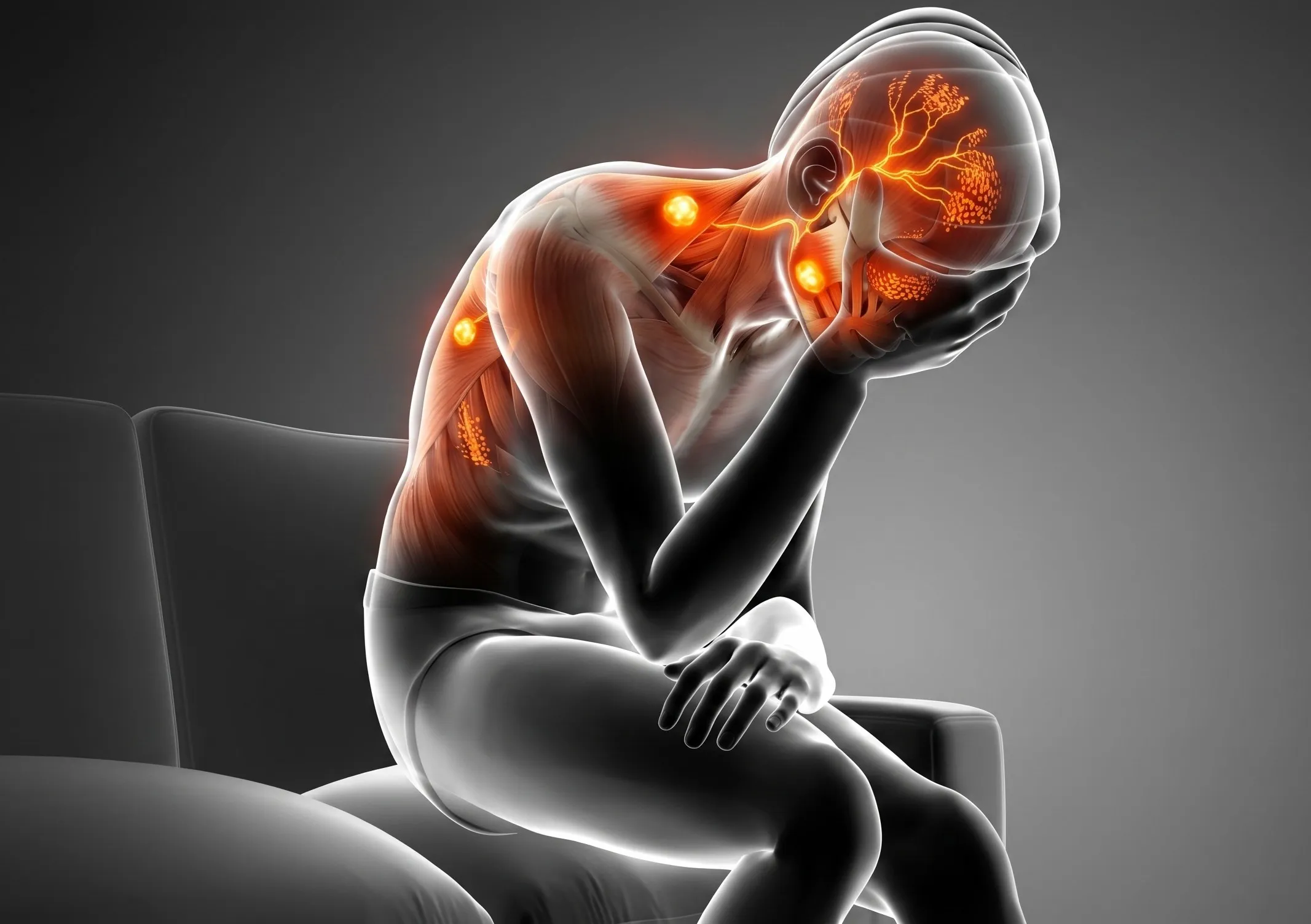
Fibromyalgia Syndrome (FMS) is a complex neuro-sensory disorder characterized by widespread musculoskeletal pain across all four body quadrants, profound fatigue, non-restorative sleep, cognitive memory difficulties ("Fibro Fog"), and heightened sensitivity to touch, sound, and temperature.
Fibromyalgia is not an inflammatory joint arthritis or psychological weakness. It is a disorder of Central Sensitization—the central nervous system's "volume control dial" for pain is turned up too high. The brain and spinal cord amplify ordinary sensory signals due to elevated excitatory neurotransmitters (Substance P, Glutamate) and depleted inhibitory neurotransmitters (Serotonin, Norepinephrine).
This causes two hallmark neurological phenomena:
- Hyperalgesia: Mildly painful stimuli feel overwhelmingly severe.
- Allodynia: Non-painful stimuli (a light massage, wearing tight clothes) feel agonizing.
Multimodal Interventional Pain Medicine calms this central amplification. Precision ultrasound tender point releases, NMDA receptor reset infusions, autonomic nerve regulation, and restorative sleep therapy reset your nervous system to give lasting relief.
Signs of Fibromyalgia Syndrome
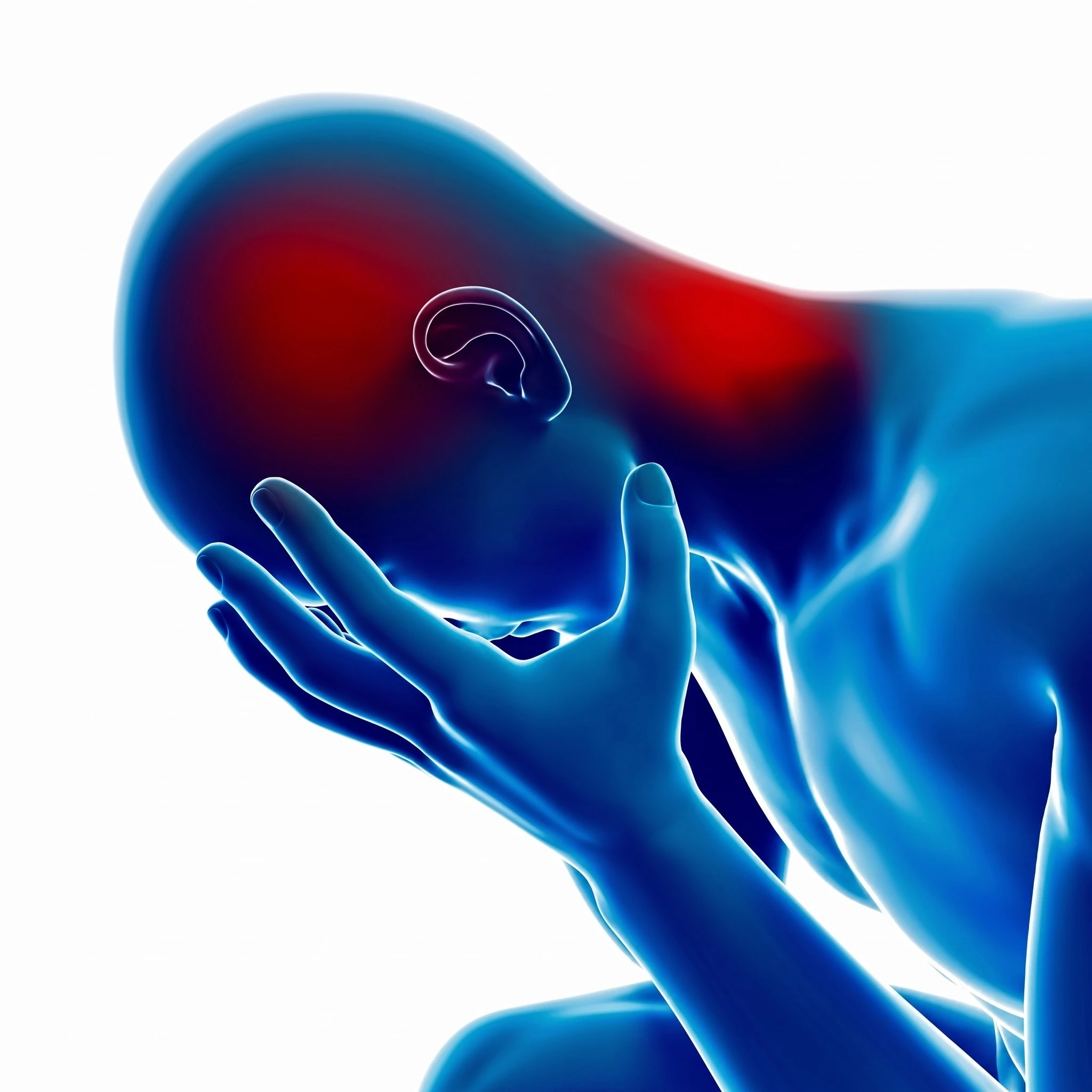
Fibromyalgia extends beyond muscle pain, affecting sleep architecture, mental clarity, and autonomic balance.
Widespread Aching (4 Quadrants)
Constant deep aching, stiffness, and burning across the neck, shoulders, upper back, hips, and knees lasting more than 3 months.
Non-Restorative Sleep & Fatigue
Waking up feeling completely unrefreshed, exhausted, and stiff as if having run a marathon, despite spending 8 to 10 hours in bed.
"Fibro Fog" & Multi-System Signs
Difficulty concentrating, word-finding lapses, and memory lapses, frequently associated with IBS (Irritable Bowel Syndrome) and tension headaches.
Our 4-Step Diagnostic Protocol for Fibromyalgia
Applying modern scientific criteria to distinguish Fibromyalgia from rheumatoid arthritis, lupus, and hypothyroidism.
WPI & SSS Scoring
Calculating the Widespread Pain Index (WPI out of 19 body areas) and Symptom Severity Scale (SSS) per ACR 2016 guidelines.
Autoimmune Panel
Blood screening: RA factor, Anti-CCP, ANA, ESR/CRP, Serum Vitamin D3, B12, and TSH to rule out mimics.
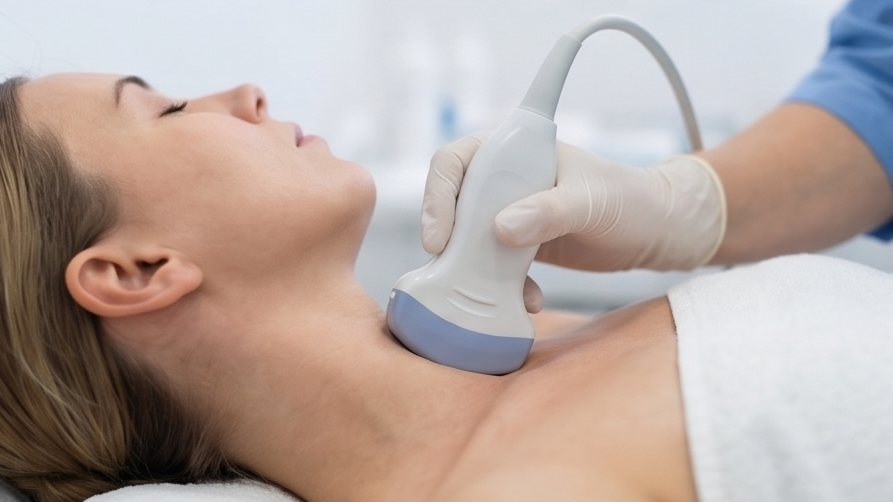
Ultrasound Fascial Scan
High-resolution ultrasound to detect secondary myofascial trigger points in trapezius, rhomboid, and gluteal fascial planes.
Central Sensitization Test
Quantitative sensory testing for temporal summation (wind-up) and assessing responsiveness to diagnostic neuro-infusions.
Multimodal Treatments for Fibromyalgia
Holistic, interventional, and neuromodulatory treatments supervised by Dr. Shrutika Bhagat in Patna.
 Targeted Release
Ultrasound Tender Point Injections
Targeted micro-injections into hyperirritable fascial trigger knots in the trapezius, supraspinatus, and gluteal muscles to eliminate peripheral pain inputs driving central wind-up.
- Dislodges tight muscular knots instantly
- Daycare procedure under ultrasound guidance
 Central Reset
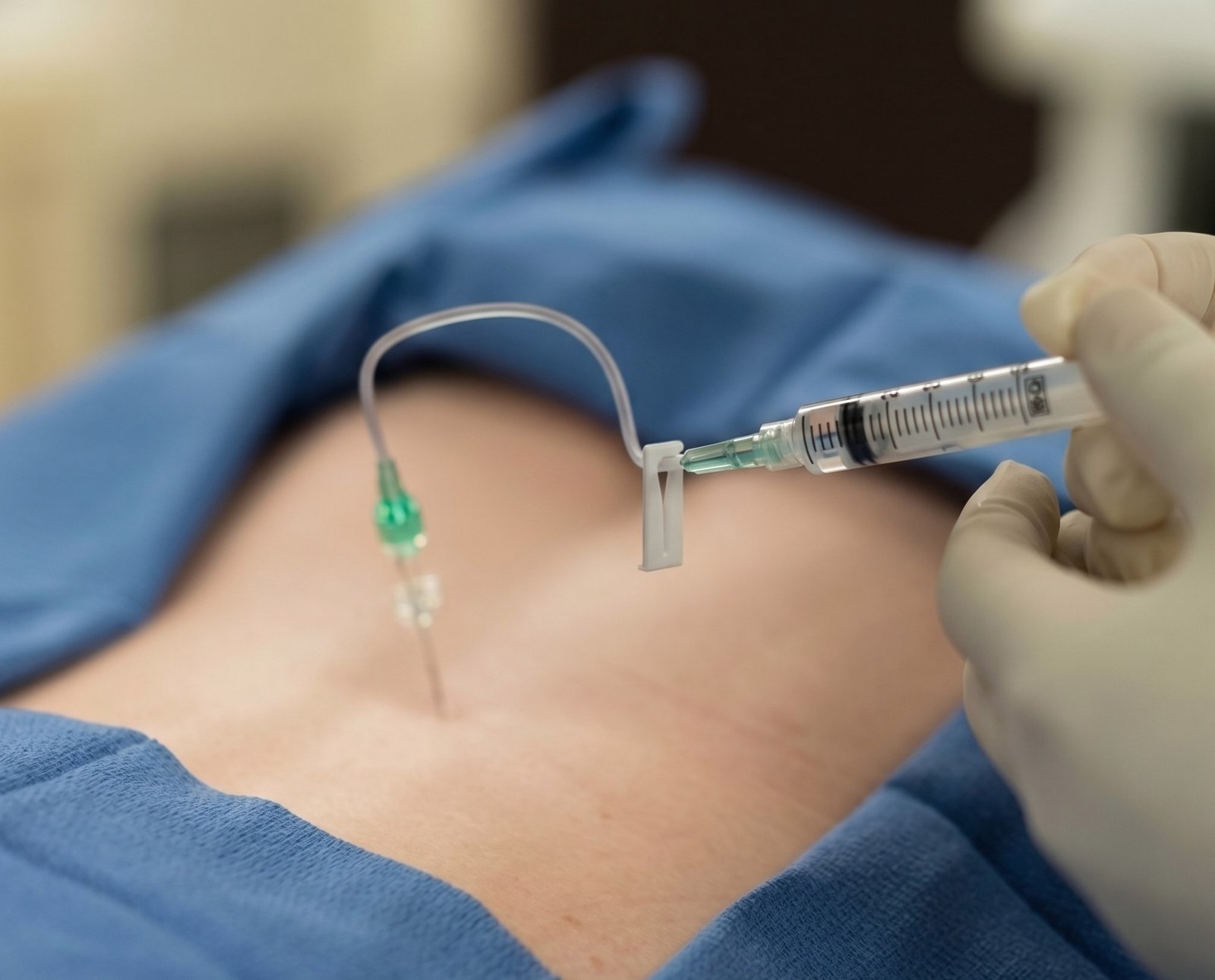
Central Neuromodulatory Infusions
Monitored intravenous infusions of NMDA receptor antagonists and local membrane stabilizers to turn down the central nervous system's amplified pain gain and eliminate widespread body aches.
- Resets hyper-excited brain pain circuits
- Safe, relaxing daycare session
 Autonomic Balance
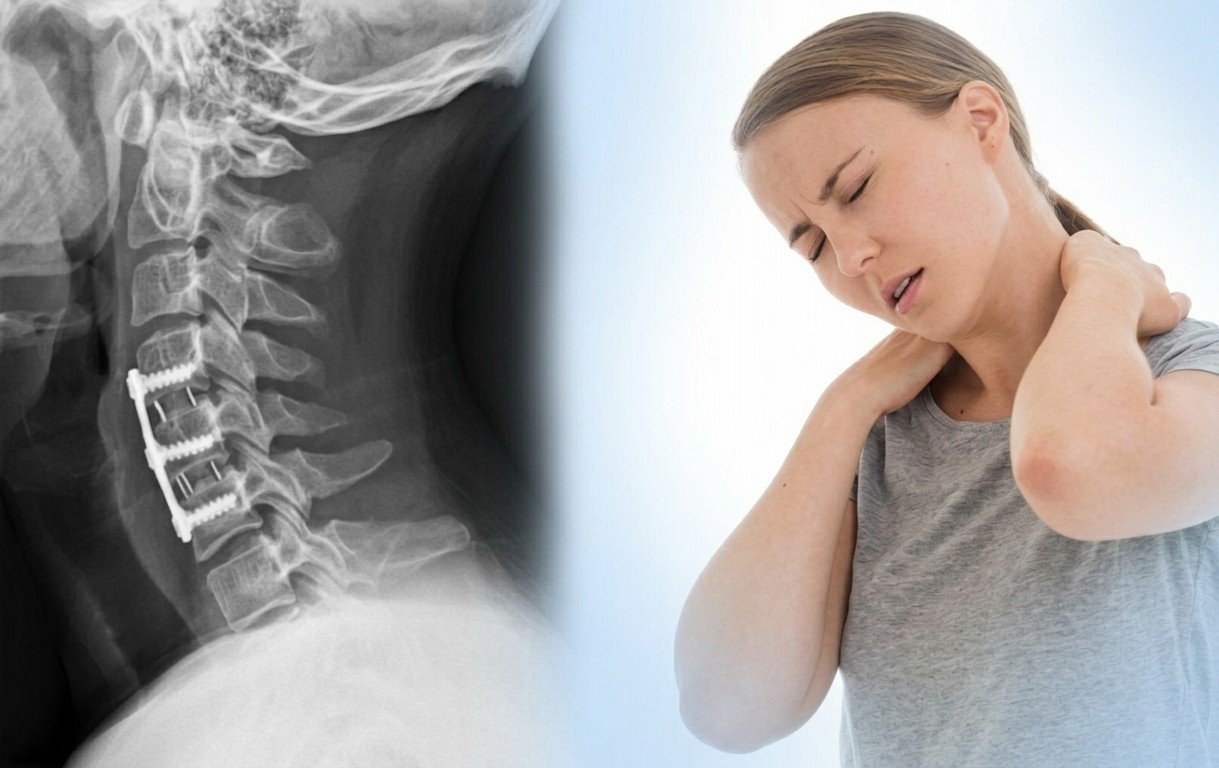
Stellate Ganglion Autonomic Block
Ultrasound-guided block at C6 to calm hyper-sympathetic "fight-or-flight" overdrive, reducing anxiety, cold sensitivity, morning stiffness, and stress-triggered pain flares.
- Restores parasympathetic relaxation
- Reduces chronic heart rate variability stress
 Neuromuscular
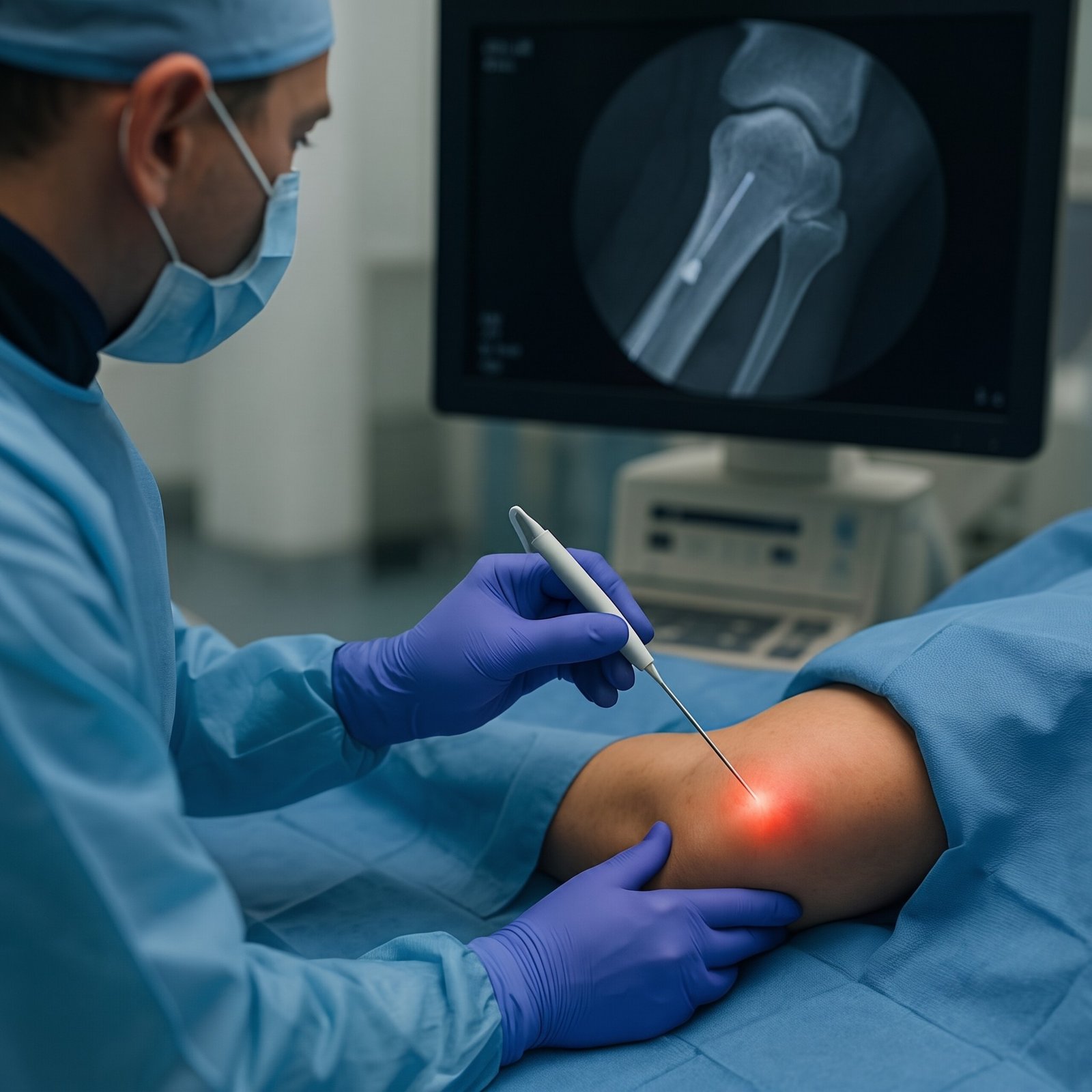
Intramuscular Stimulation (IMS)
Targeted dry needling into shortened paraspinal and limb muscle bands, eliciting gentle local twitch responses that release chronic muscular contractures and improve tissue oxygenation.
- Loosens generalized muscle tightness
- Restores painless spine and limb flexibility
 Deep Sleep Care
Sleep Architecture Optimization
Precision pharmacological titration (low-dose Amitriptyline, Pregabalin, Duloxetine, Melatonergic agonists) to suppress alpha-wave intrusion and restore restorative Stage-4 slow-wave delta sleep.
- Wake up refreshed with full energy
- Clears brain fog and morning stiffness
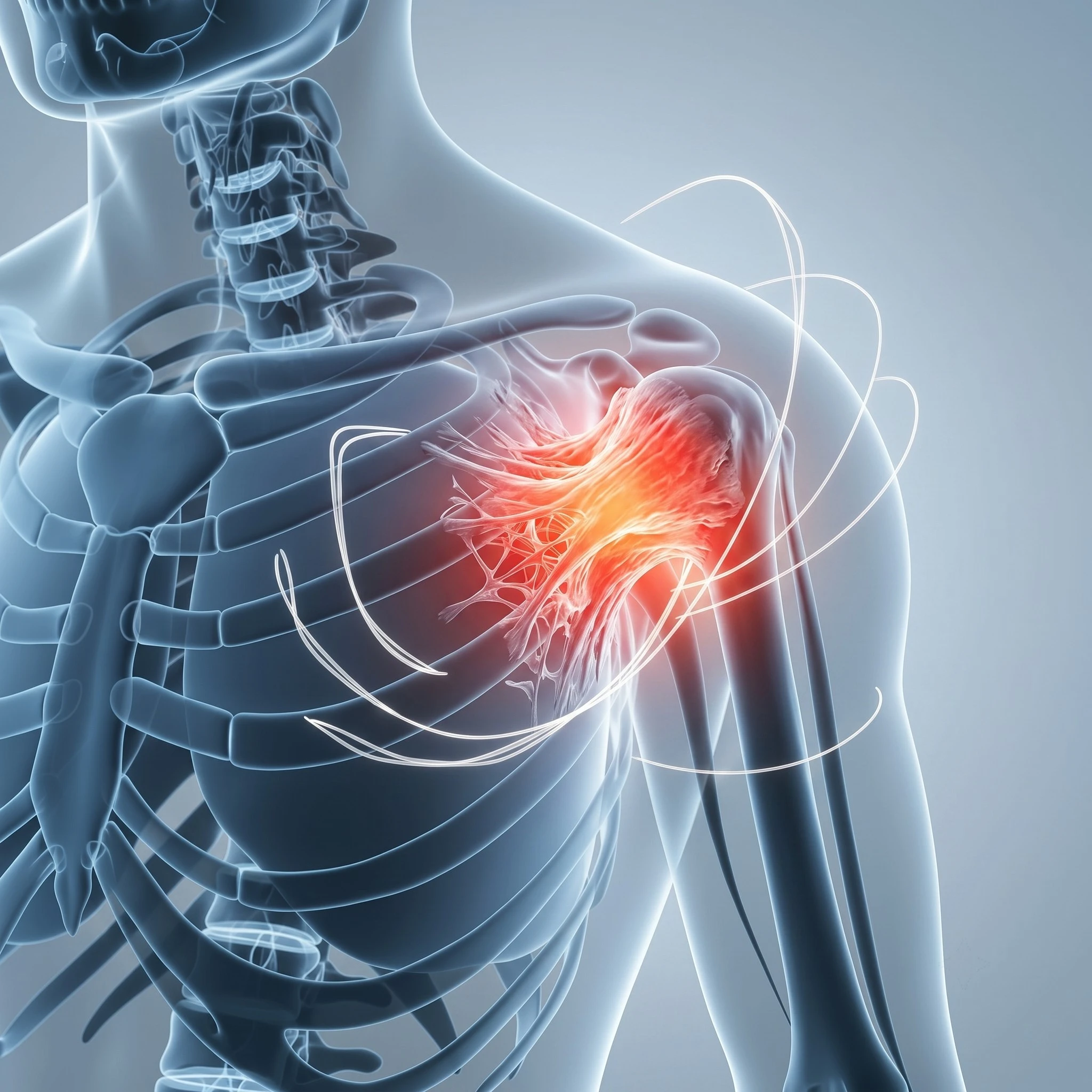 Pacing Rehab
Graded Exercise & Pacing
Customized low-impact aerobic pacing protocols (aquatherapy, gentle walking, restorative yoga) to prevent post-exertional pain flare-ups while rebuilding cardiovascular stamina.
- Avoids the "boom-and-bust" fatigue cycle
- Rebuilds muscular strength safely
Conventional Painkillers Alone vs. Multimodal Neuromodulation
Why standard pain pills fail in Fibromyalgia and how central neurochemical reset delivers real relief.
| Clinical Feature | Standard NSAIDs & Opioids Alone | Multimodal Neuromodulation & Interventions |
|---|---|---|
| Central Amplification Target | No effect on central sensitization; opioids worsen hyperalgesia | Directly resets NMDA receptors & calms amplified brain pathways |
| Stage-4 Sleep Restoration | Disrupts sleep architecture, worsening morning exhaustion | Restores deep restorative delta sleep and growth hormone release |
| Tender Point Release | Pills cannot break physical fascial adhesions or trigger knots | Ultrasound hydrodissection mechanically releases locked fascia |
| Brain Fog & Fatigue | Heavy drug sedation exacerbates memory loss and fatigue | Restores cognitive clarity, daytime alertness, and mood balance |
| Long-Term Quality of Life | Chronic frustration, social isolation & high medical costs | Empowers patient with active pacing, stamina & lasting control |

Dr. Shrutika Bhagat
MBBS, MD, FIRA, FIAPM | Interventional Pain & Spine Endoscopy
Dr. Shrutika Bhagat brings super-specialized training in full-endoscopic spine surgery and image-guided interventional pain management, having successfully treated thousands of patients with severe back pain, disc prolapse, sciatica, nerve compression, and joint arthritis in Patna.
Fibromyalgia FAQs
Clinical answers regarding central sensitization, tender points, brain fog, and scientific pain reset therapies.


Don't Let Chronic Pain Control Your Life.
Take the first step toward understanding your pain and exploring modern, evidence-based minimally invasive relief with Dr. Shrutika Bhagat.