Frozen Shoulder Treatment in Patna
Restore full arm mobility & eliminate agonizing night pain through advanced ultrasound-guided Glenohumeral Hydrodilatation (Brisement) and nerve blocks without surgery.
Understanding Frozen Shoulder (Adhesive Capsulitis)
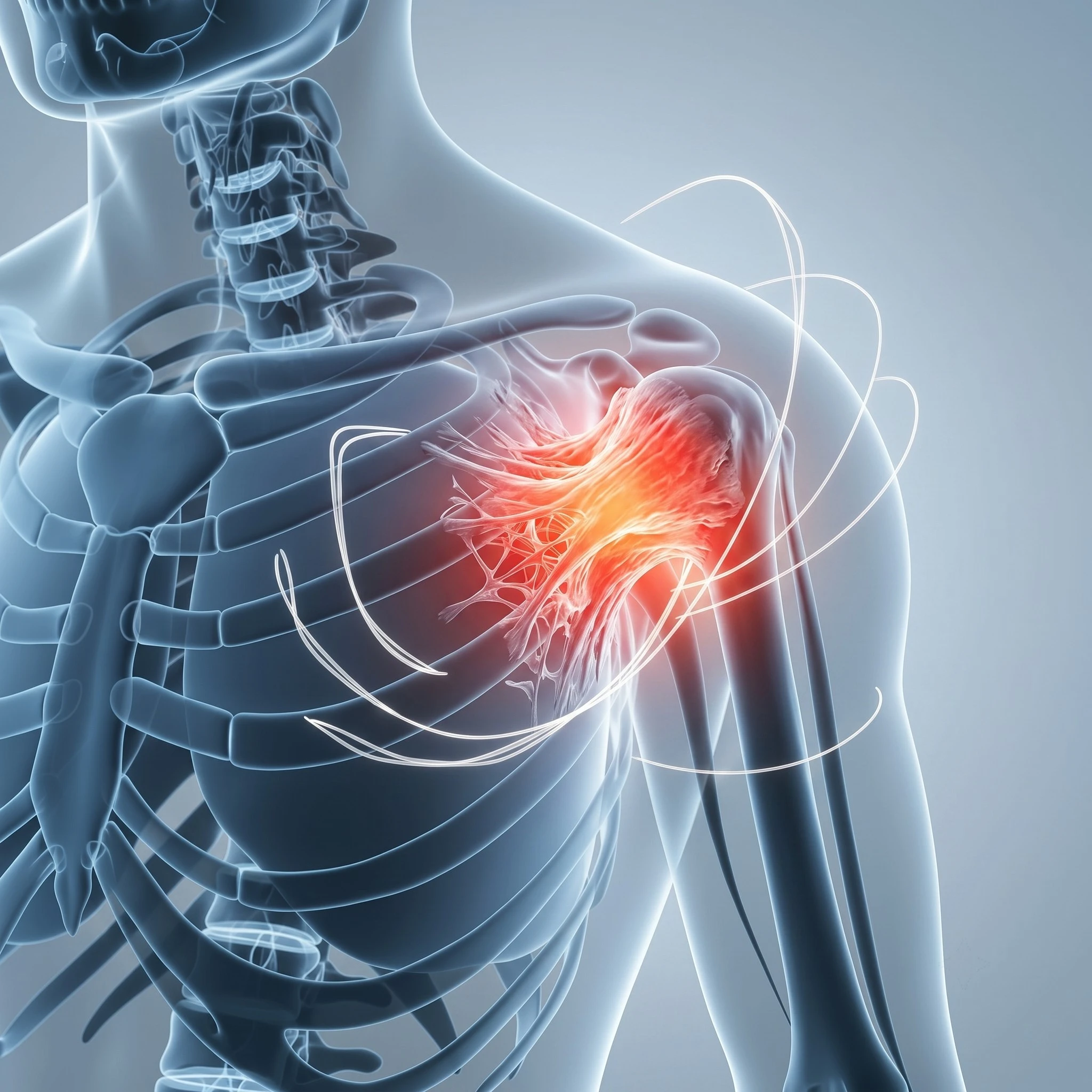
Frozen Shoulder (Adhesive Capsulitis) is an inflammatory fibrotic disorder causing the flexible connective tissue envelope (capsule) enclosing the shoulder joint to become severely thickened, tight, and contracted.
As the joint capsule shrinks, synovial fluid volume drops from a normal 15–20 ml down to less than 3–5 ml, obliterating the axillary recess and locking the humerus bone head tight against the glenoid socket. This severely restricts arm movement in all directions—especially external rotation (reaching behind the back) and abduction (lifting the arm sideways). It is particularly common in patients with Diabetes Mellitus, thyroid disorders, and post-shoulder trauma.
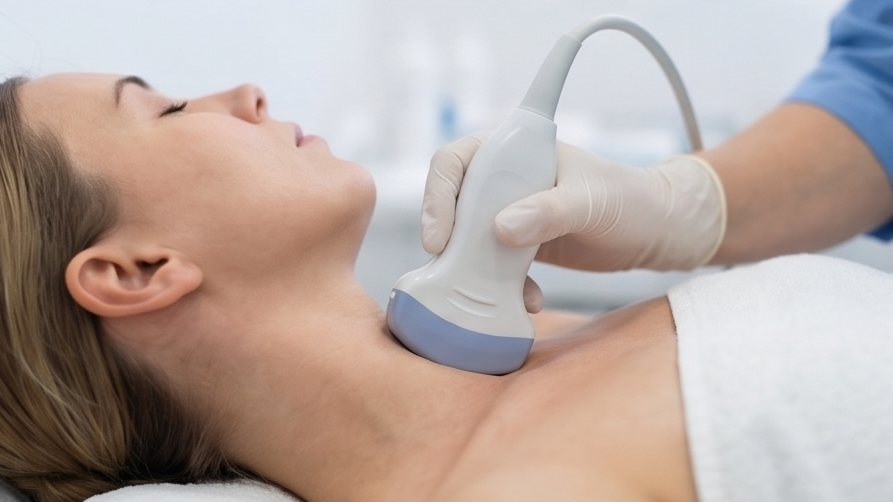
Ultrasound-Guided Glenohumeral Hydrodilatation (Brisement) uses targeted hydraulic fluid pressure under live visualization to gently distend and expand the shrunken capsule from within, breaking dense fibrous adhesions and restoring 30° to 60° of movement on the very same day.
The 3 Stages of Adhesive Capsulitis
Understanding your disease stage helps tailor the right combination of hydrodilatation, nerve blocks, and mobilization.
Freezing Stage (2–9 Months)
Severe inflammatory pain, particularly unbearable at night when sleeping. Range of motion begins to progressively decrease as the synovium thickens.
Frozen Stage (4–12 Months)
Pain stabilizes into a constant dull ache, but stiffness is severe. Inability to groom hair, wear a shirt, or reach into back pockets.
Thawing Stage (12–24 Months)
Gradual recovery of shoulder motion over 1 to 2 years if active interventional hydrodilatation and structured mobilization are applied.
Our 4-Step Diagnostic Protocol for Frozen Shoulder
Distinguishing adhesive capsulitis from rotator cuff tears, osteoarthritis, and cervical radiculopathy.
Passive Motion Exam
Testing passive external rotation with the elbow tucked by the side. Loss of >50% motion confirms true capsular restriction.
Digital X-Rays
AP and axillary views to rule out glenohumeral osteoarthritis, calcific tendinitis, and hidden posterior shoulder dislocations.
Dynamic Ultrasound
Measures thickening of the coracohumeral ligament (>4mm), axillary pouch capsule, and hypervascularity at the rotator interval.
Metabolic Screening
HbA1c blood sugar panel and Thyroid profile (TSH) to manage systemic drivers of aggressive capsular collagen cross-linking.
Non-Surgical Interventions for Frozen Shoulder
Daycare procedures performed under real-time ultrasound guidance by Dr. Shrutika Bhagat in Patna.
 Gold Standard
Glenohumeral Hydrodilatation (Brisement)
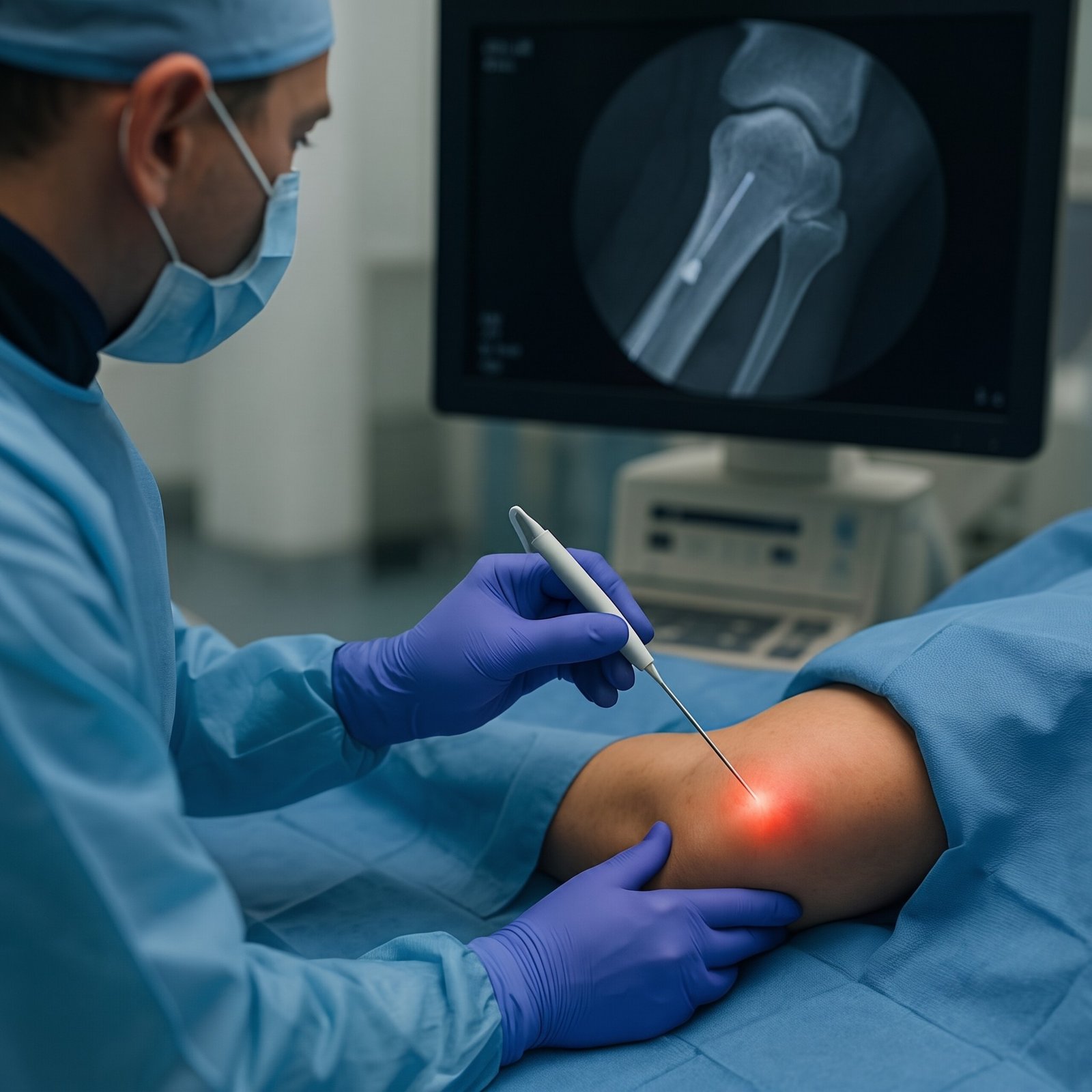
High-volume sterile fluid distension under live ultrasound guidance to stretch and expand the shrunken joint capsule, mechanically rupturing internal adhesions and restoring immediate mobility.
- Instant 30° to 60° range of motion gain
- Performed in 15 minutes under local anesthesia
 Pain-Free Rehab
Suprascapular & Axillary Nerve Blocks
Ultrasound-guided targeted sensory nerve blocks to eliminate capsule pain, allowing immediate, comfortable post-procedure physical mobilization without discomfort.
- Stops severe night pain on day 1
- Enables pain-free stretching exercises
 Biologic Healing
Autologous Capsular PRP
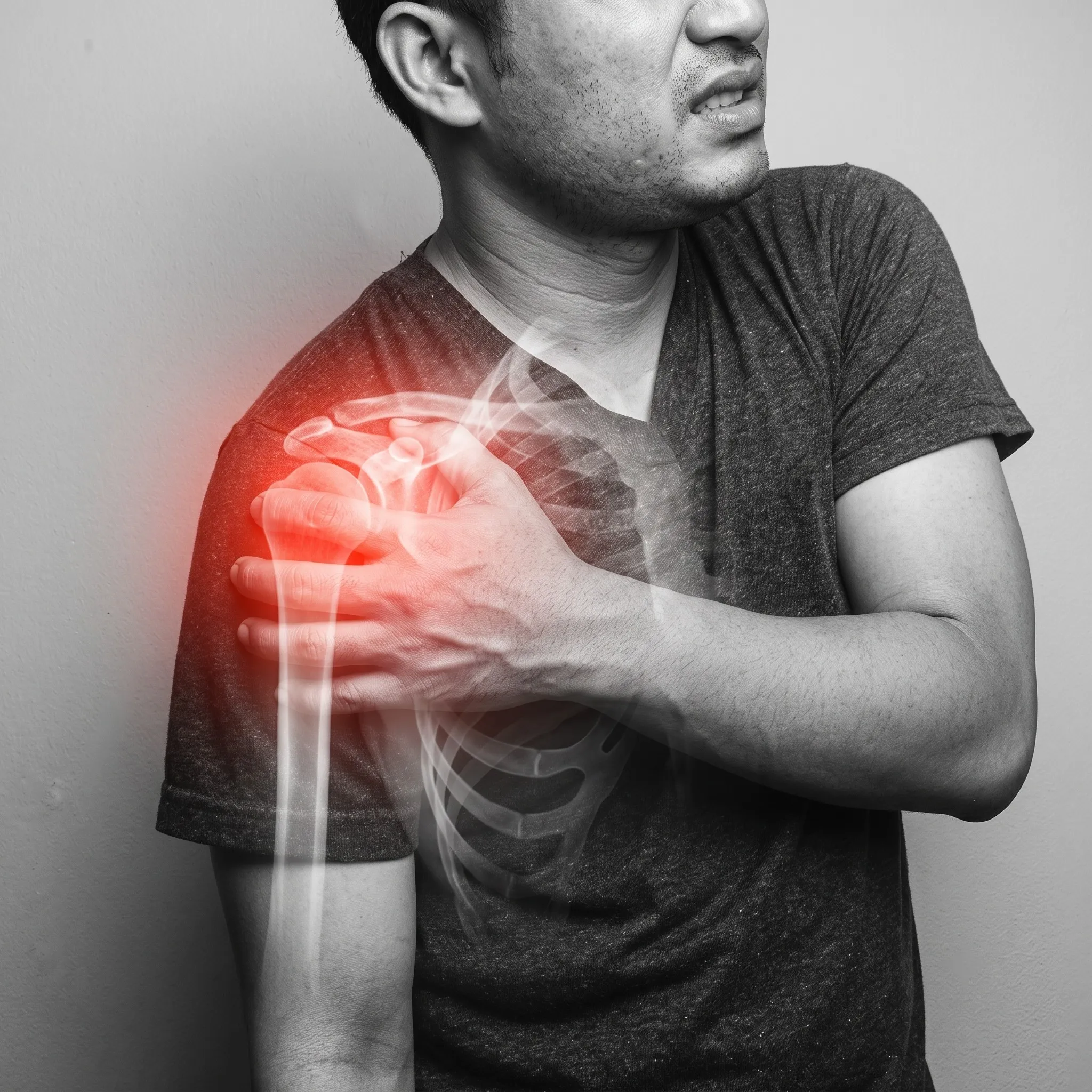
Concentrated platelet growth factors injected into the inflamed joint capsule to modulate aggressive fibrosis, reduce synovial thickening, and promote healthy tissue remodeling.
- 100% natural, patient's own healing cells
- Prevents recurrent capsular contracture
 Targeted Release
Rotator Interval Hydrodissection
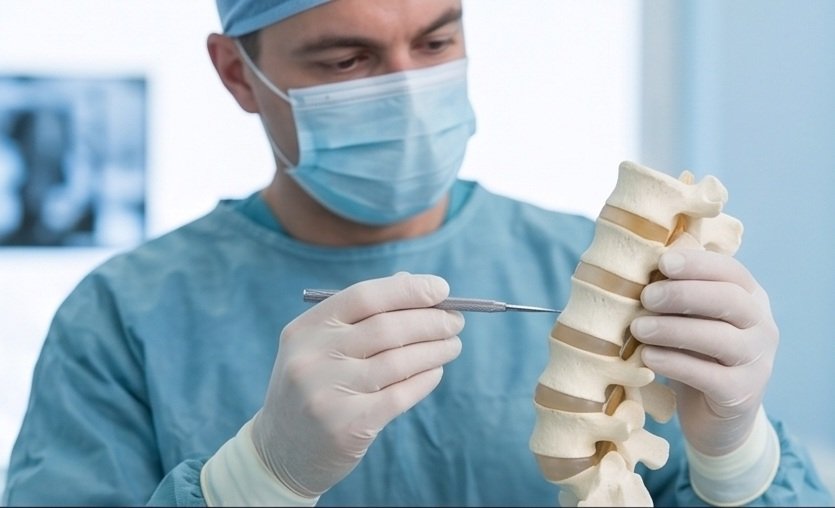
Precision ultrasound-guided fluid release of the contracted coracohumeral ligament (CHL) and superior glenohumeral ligament within the rotator interval.
- Restores external rotation range
- Frees the trapped long head of biceps
 Neuromodulation
Pulsed Radiofrequency (PRF)
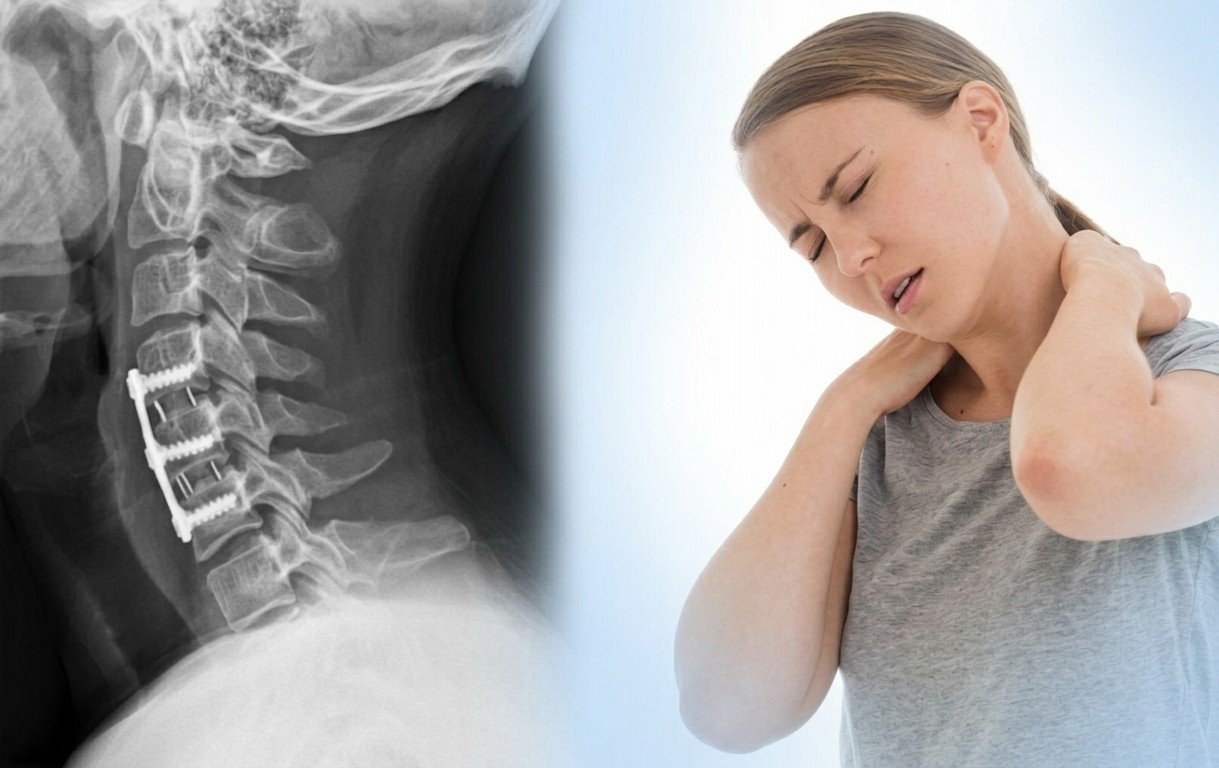
Non-destructive pulsed electromagnetic neuromodulation applied to the suprascapular and axillary nerves to reset chronic neuropathic pain sensitization in resistant frozen shoulder.
- Provides 6 to 12 months of pain relief
- Zero motor nerve weakness
Mobilization
Post-Hydrodilatation Mobilization
Immediate structured physical therapy performed while the nerve block is active, taking full advantage of the newly expanded joint volume to cement permanent motion gains.
- Locks in new overhead reach and rotation
- Comprehensive home exercise program
Surgery / MUA vs. Ultrasound Hydrodilatation
Why ultrasound-guided hydrodilatation has replaced aggressive surgical manipulation under anesthesia (MUA).
| Clinical Feature | Manipulation Under Anesthesia (MUA) / Arthroscopic Release | Ultrasound-Guided Hydrodilatation (Brisement) |
|---|---|---|
| Anesthesia Required | General Anesthesia (Dangerous in diabetic/cardiac patients) | Targeted Local Nerve Block (Extremely safe) |
| Risk of Bone / Tendon Fracture | High risk of humerus fracture & labral tears from forced manipulation | Zero fracture risk (Gentle hydraulic fluid expansion) |
| Surgical Incisions | 3 to 4 arthroscopic puncture cuts into joint | Pinhole needle injection (Zero surgical cuts) |
| Post-Procedure Pain | Severe post-operative surgical pain & swelling | Immediate pain relief from local nerve block |
| Hospital Admission | 2 to 3 days hospital stay | Daycare: Discharged within 1 to 2 hours |

Dr. Shrutika Bhagat
MBBS, MD, FIRA, FIAPM | Interventional Pain & Spine Endoscopy
Dr. Shrutika Bhagat brings super-specialized training in full-endoscopic spine surgery and image-guided interventional pain management, having successfully treated thousands of patients with severe back pain, disc prolapse, sciatica, nerve compression, and joint arthritis in Patna.
Frozen Shoulder FAQs
Clinical answers regarding Hydrodilatation, diabetes connection, recovery timeline, and avoiding surgery.

Don't Let Chronic Pain Control Your Life.
Take the first step toward understanding your pain and exploring modern, evidence-based minimally invasive relief with Dr. Shrutika Bhagat.