

Post-Herpetic Neuralgia Treatment in Patna
Relief from severe burning skin pain, lightning electric shocks, and shirt-touch hypersensitivity after Shingles through precision C-Arm guided DRG Pulsed RFA and sympathetic nerve blocks.
Understanding Post-Herpetic Neuralgia (Shingles Nerve Pain)
Herpes Zoster (Shingles) is caused by the reactivation of the dormant Varicella-Zoster Virus (chickenpox virus) residing within the Dorsal Root Ganglion (DRG) or cranial nerve ganglia. When the virus reactivates along a spinal nerve, it causes an acute blistering rash across a single band of skin (Dermatome).
In many elderly or vulnerable patients, severe nerve inflammation damages the sensory nerve fibers and causes deep intraneural scarring. If intense burning, shooting shocks, and touch hypersensitivity persist for >3 months after the shingles rash has completely healed, the condition is diagnosed as Post-Herpetic Neuralgia (PHN).
PHN causes severe central and peripheral sensitization. Even the gentlest friction from a cotton shirt or a light air breeze triggers excruciating agony (Tactile Allodynia), leading to chronic sleep deprivation, anxiety, and depression.
Early Interventional Pain Therapy is critical. Fluoroscopy-guided Dorsal Root Ganglion (DRG) Pulsed Radiofrequency, intercostal nerve blocks, and sympathetic blocks reset hyper-excited nerve pathways, stopping chronic pain transmission and protecting against permanent neuropathic sensitization.
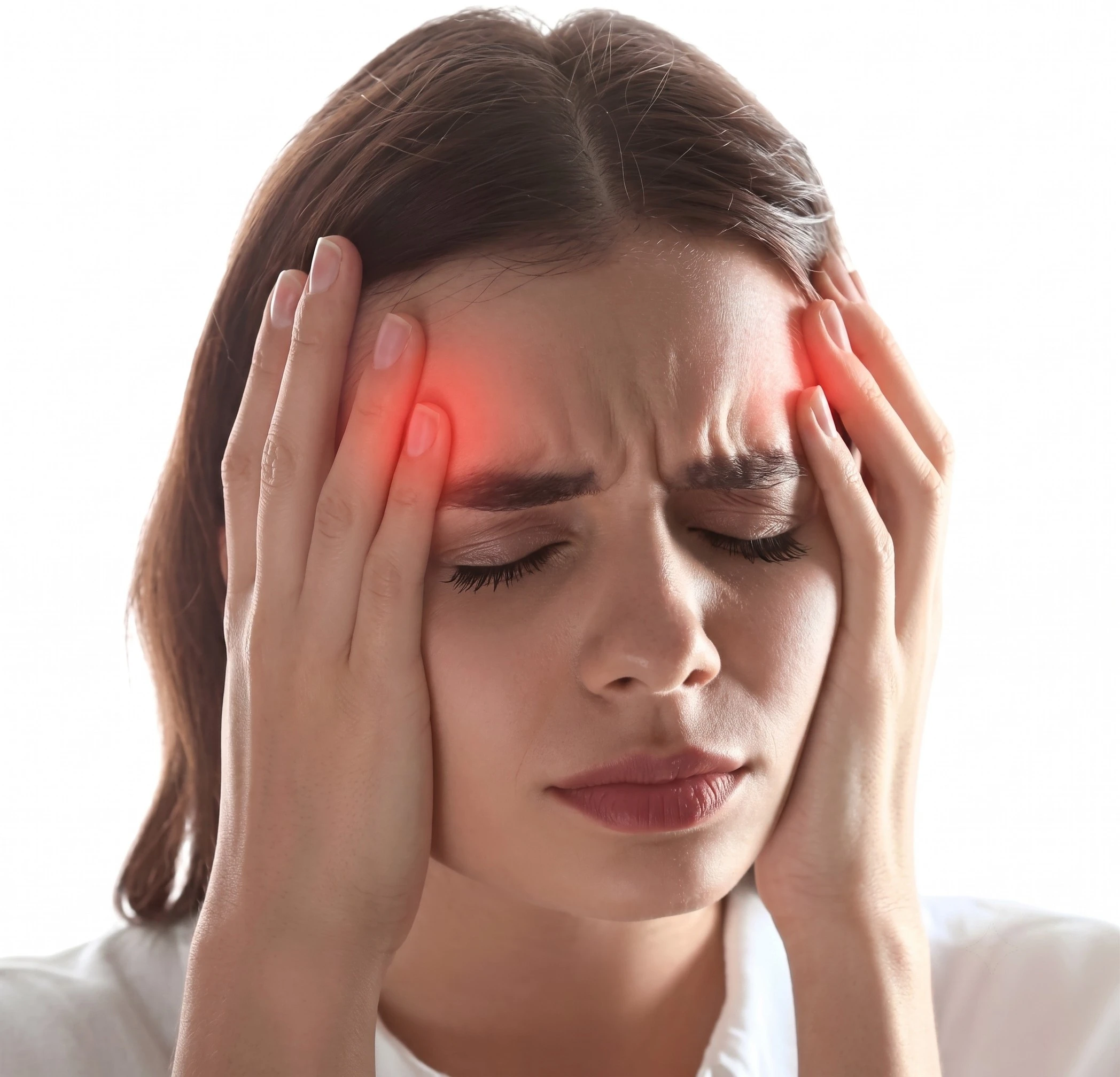
Clinical Signs of Post-Herpetic Neuralgia
PHN presents with 3 classic neuropathic pain components along the affected thoracic, cervical, or ophthalmic dermatome.
Constant Deep Burning Ache
A relentless, caustic, sunburn-like burning and throbbing pain beneath the skin that persists 24 hours a day without relief from standard painkillers.
Paroxysmal Electric Shocks
Sudden, unexpected lancinating or stabbing electric shocks that shoot along the rib cage, chest, face, or abdomen like sudden jolts of lightning.
Tactile Allodynia (Cannot Wear Clothes)
Extreme skin hypersensitivity where light clothing, bedsheets, or a gentle fan breeze touching the healed rash area triggers agonizing stinging pain.
Our 4-Step Diagnostic Protocol for Herpetic Pain
Precise dermatomal localization to identify the exact dorsal root ganglia and intercostal nerve levels involved.
Dermatomal Mapping
Precise cotton wisp and pinprick mapping to delineate areas of hyperalgesia, allodynia, and sensory numbness.
DRG Level Assessment
Identifying the primary spinal nerve roots (e.g., T4–T6 thoracic or V1 ophthalmic) supplying the scarred dermatome.
Sympathetic Coupling
Assessing temperature changes, sweating abnormalities, and sympathetic nervous system contribution to the burning pain.
Diagnostic Block
Gold Standard: Ultrasound intercostal or DRG test block. >75% relief confirms PRF candidacy.
Interventional Treatments for Herpetic Neuralgia
Daycare procedures performed under live fluoroscopic C-Arm and ultrasound guidance by Dr. Shrutika Bhagat in Patna.
 Gold Standard
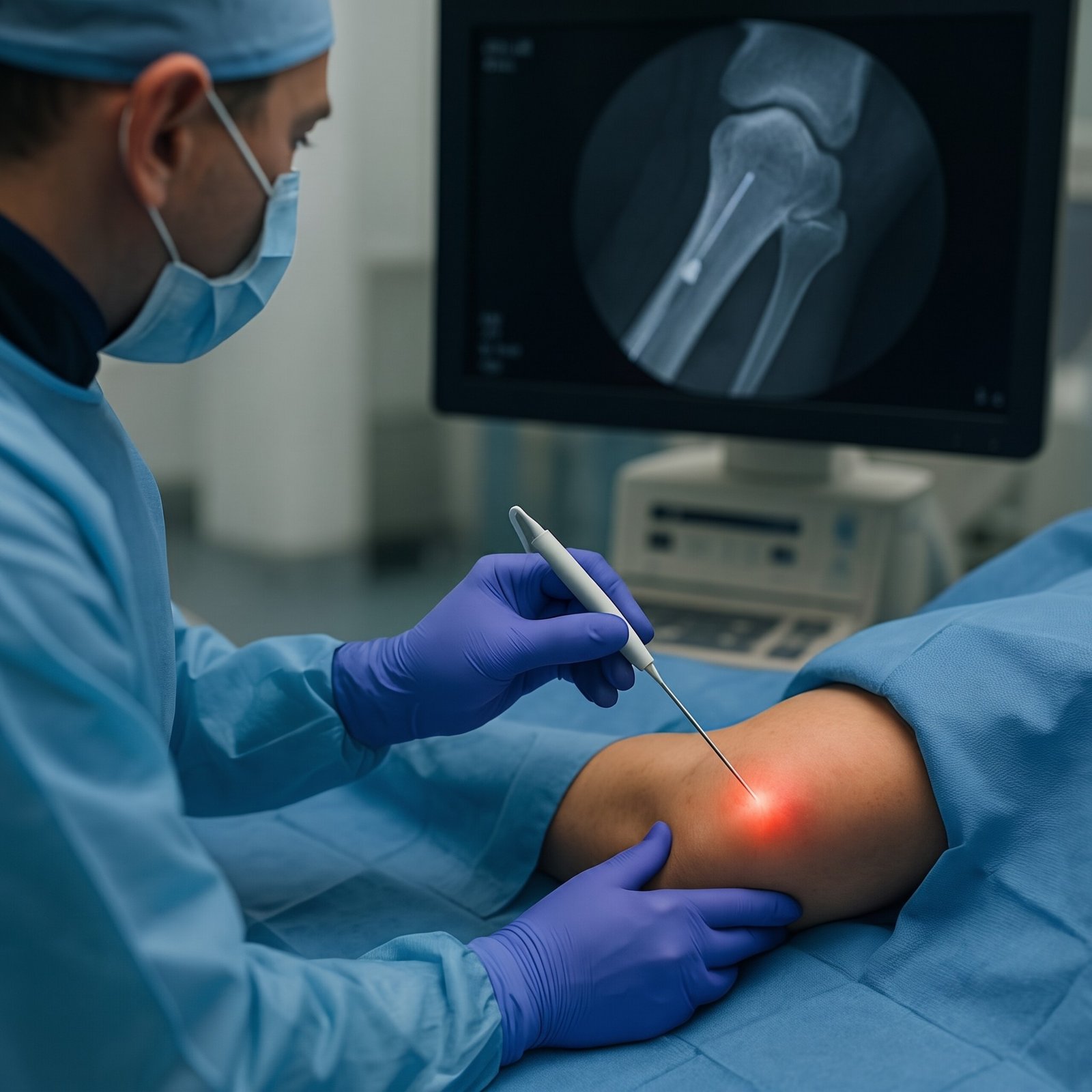
Dorsal Root Ganglion (DRG) Pulsed RFA
C-Arm guided placement of an RF cannula into the neural foramen directly adjacent to the inflamed DRG. High-frequency pulsed electromagnetic fields reset the sensitized sensory pacemaker, stopping chronic burning signals for 12 to 24 months.
- Eliminates skin burning & electric shocks
- Daycare procedure under local anesthesia
 Ultrasound-Guided
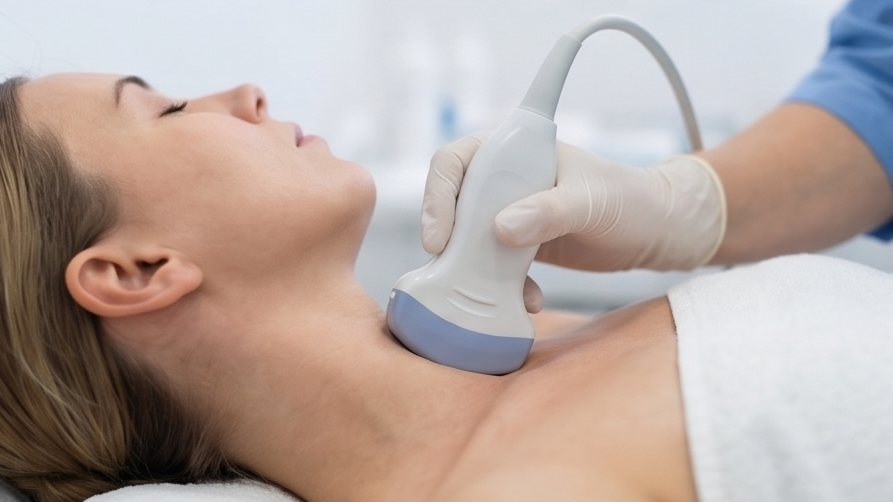
Intercostal Nerve Block & PRF
Precision ultrasound-guided delivery of anti-inflammatory medication and pulsed radiofrequency along the subcostal groove of the affected ribs, instantly numbing chest wall shingles pain.
- Rapid relief from rib cage burning
- Safe, pinhole outpatient injection
 Acute Prevention
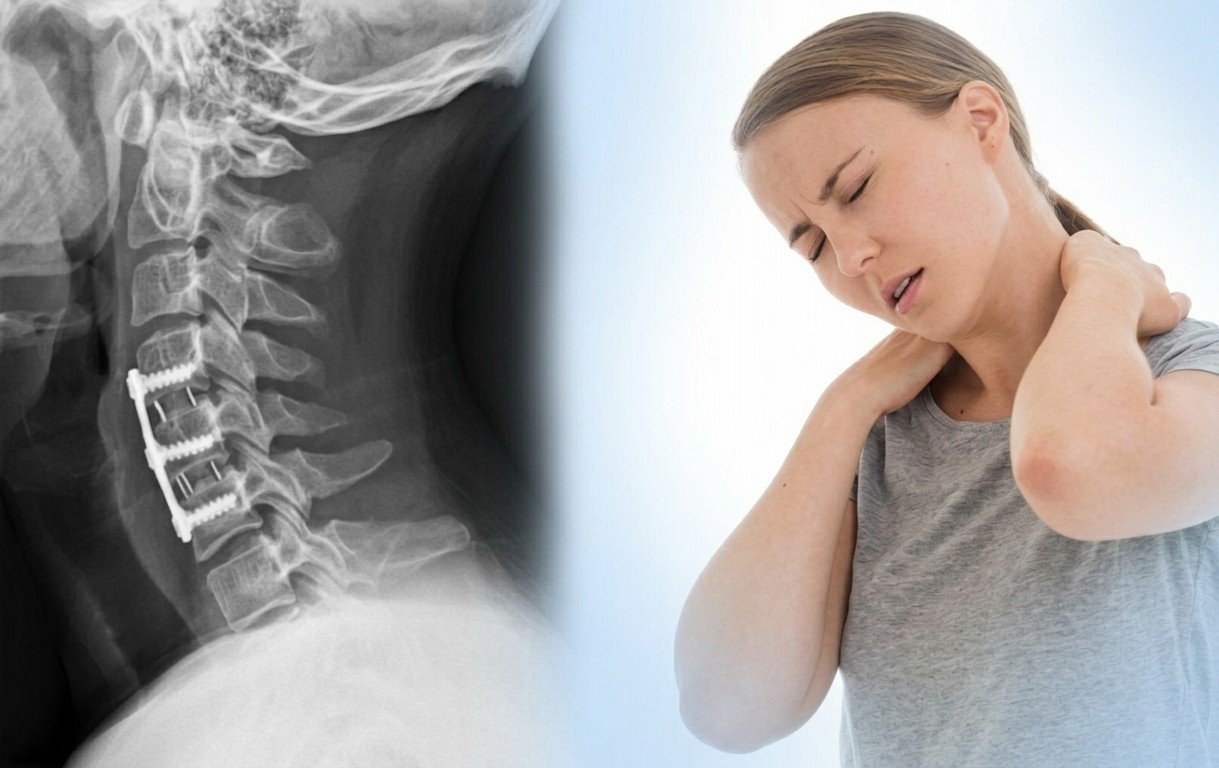
Sympathetic Ganglion Blocks
Stellate Ganglion Block (for facial/cervical Zoster) or Lumbar Sympathetic Block to dramatically reduce acute viral inflammation, restore microvascular blood flow, and prevent long-term PHN transition.
- Crucial within first 4–6 weeks of shingles
- Accelerates skin rash healing
 Neuromodulation
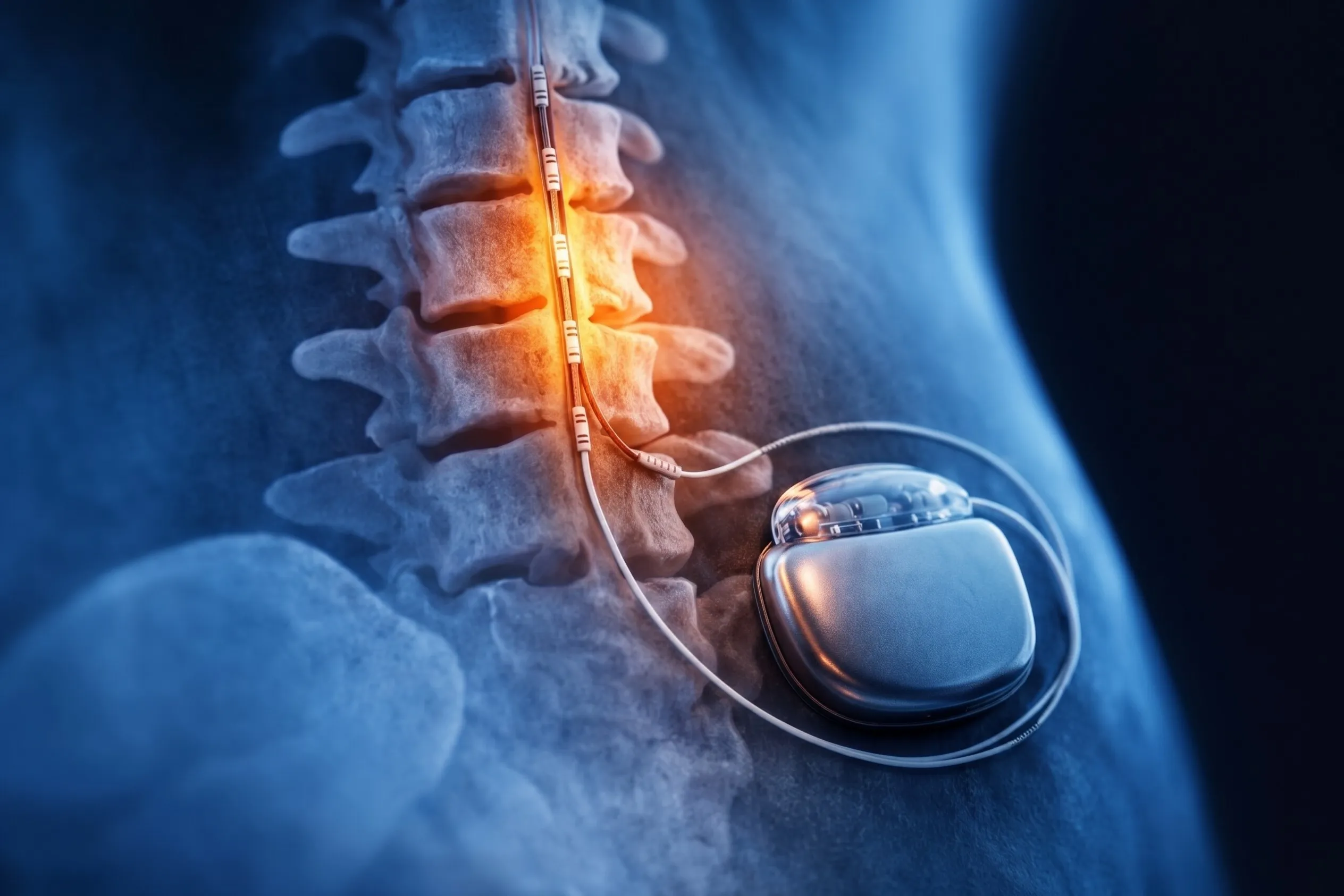
Spinal Cord Stimulation (SCS)
For severe, long-standing post-herpetic neuralgia failing all medications: ultra-thin epidural leads deliver pleasant tingling sensations that replace the severe burning pain across the trunk or limb.
- Proven long-term control for refractory PHN
- Temporary trial to test relief first
 Epidural Care
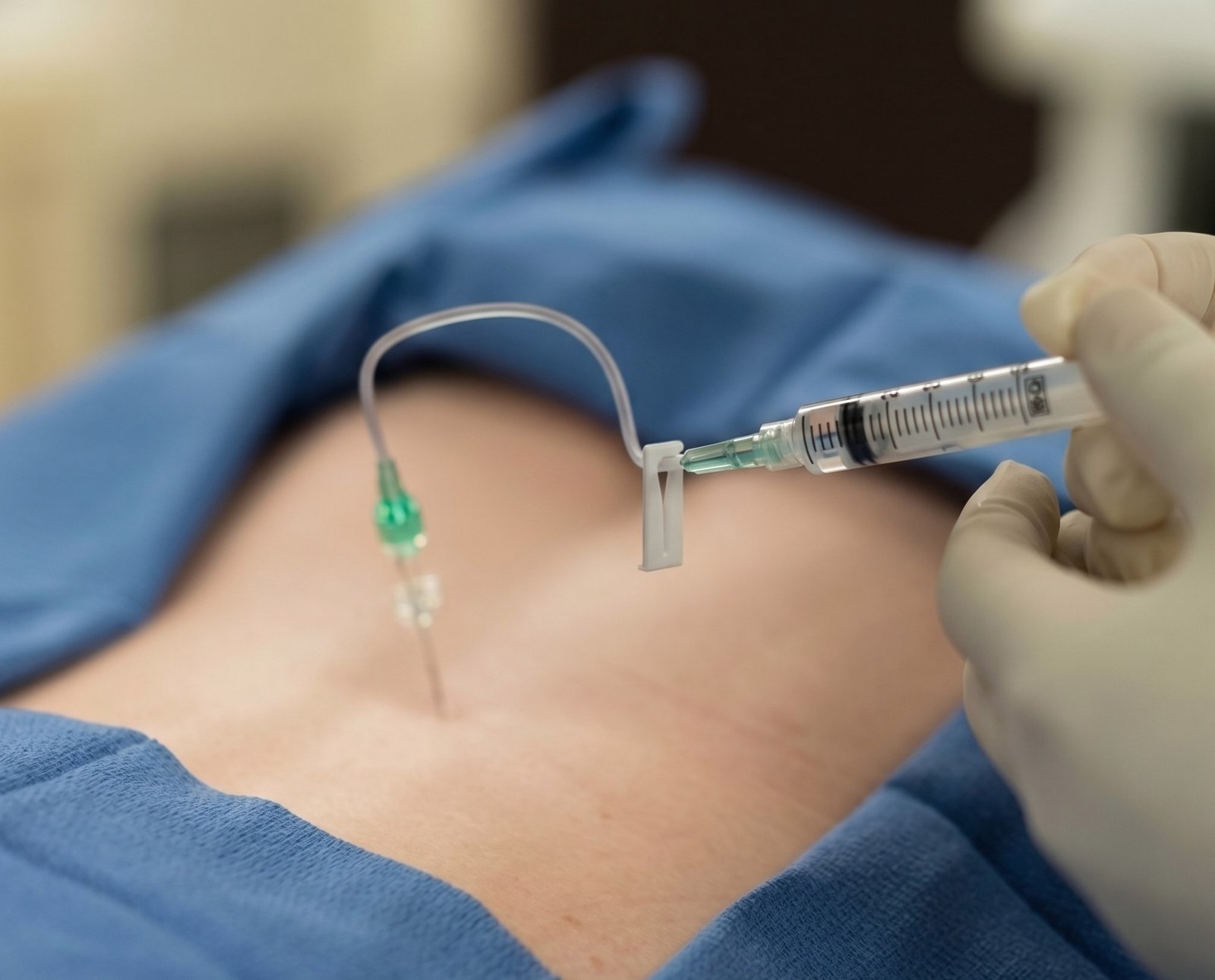
Targeted Epidural Catheter Infusions
Fluoroscopy-guided interlaminar or transforaminal epidural delivery of local anesthetic and anti-inflammatory wash to calm multi-level nerve root inflammation in widespread thoracic shingles outbreaks.
- Comprehensive multi-dermatomal coverage
- Prevents chronic central nerve sensitization
 Topical Care
Subcutaneous Field Blocks & Patches
Multi-point subcutaneous dermal fluid infiltration and 5% Lidocaine / 8% Capsaicin patch protocols to desensitize epidermal nociceptive sprouts and eradicate clothing contact pain.
- Stops hypersensitivity to clothing & touch
- Zero systemic drug interactions
High-Dose Sedatives Alone vs. DRG Interventions
Why early interventional procedures are essential for stopping Post-Herpetic Neuralgia permanently.
| Clinical Feature | High-Dose Pills (Pregabalin / Opioids / Tramadol) | C-Arm DRG Pulsed RFA & Nerve Blocks |
|---|---|---|
| Mechanism of Action | Temporarily suppresses brain reception; does not heal scarred DRG | Directly resets hyper-excited sensory generators at the DRG |
| Side Effects in Elderly | Severe confusion, memory loss, dizziness, constipation & fall risk | Zero central sedation; patient remains clear-minded and mobile |
| Tactile Allodynia Relief | Poor response (Patients still cannot wear normal shirts) | Direct cutaneous desensitization allows normal clothing contact |
| Prevention of Permanent PHN | Pills alone do not prevent transition from acute Zoster to chronic PHN | Early sympathetic & DRG blocks cut chronic PHN risk by >80% |
| Hospital Stay | Chronic prescription refills for years | Daycare: Single 20-minute procedure under local anesthesia |

Dr. Shrutika Bhagat
MBBS, MD, FIRA, FIAPM | Interventional Pain & Spine Endoscopy
Dr. Shrutika Bhagat brings super-specialized training in full-endoscopic spine surgery and image-guided interventional pain management, having successfully treated thousands of patients with severe back pain, disc prolapse, sciatica, nerve compression, and joint arthritis in Patna.
Post-Herpetic Neuralgia FAQs
Clinical answers regarding post-shingles nerve pain, DRG pulsed radiofrequency, allodynia, and recovery.


Don't Let Chronic Pain Control Your Life.
Take the first step toward understanding your pain and exploring modern, evidence-based minimally invasive relief with Dr. Shrutika Bhagat.