Migraine & Headache Treatment in Patna
Break the cycle of chronic migraines, cervicogenic headaches, and occipital neuralgia through precision ultrasound-guided Occipital Nerve Blocks, SPG blocks, and Botox therapy without daily pill overuse.
Understanding Chronic Migraines & Cervicogenic Headaches
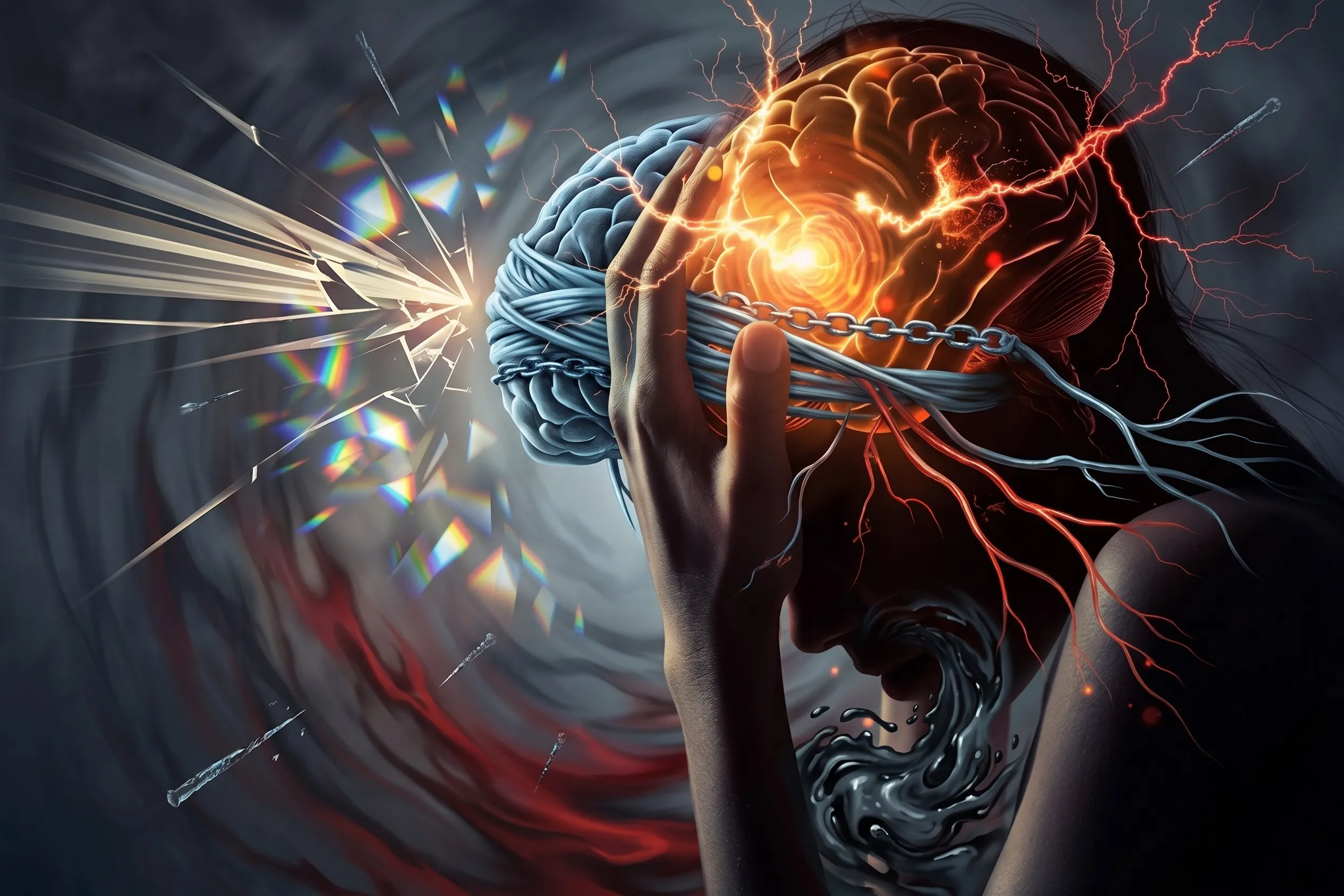
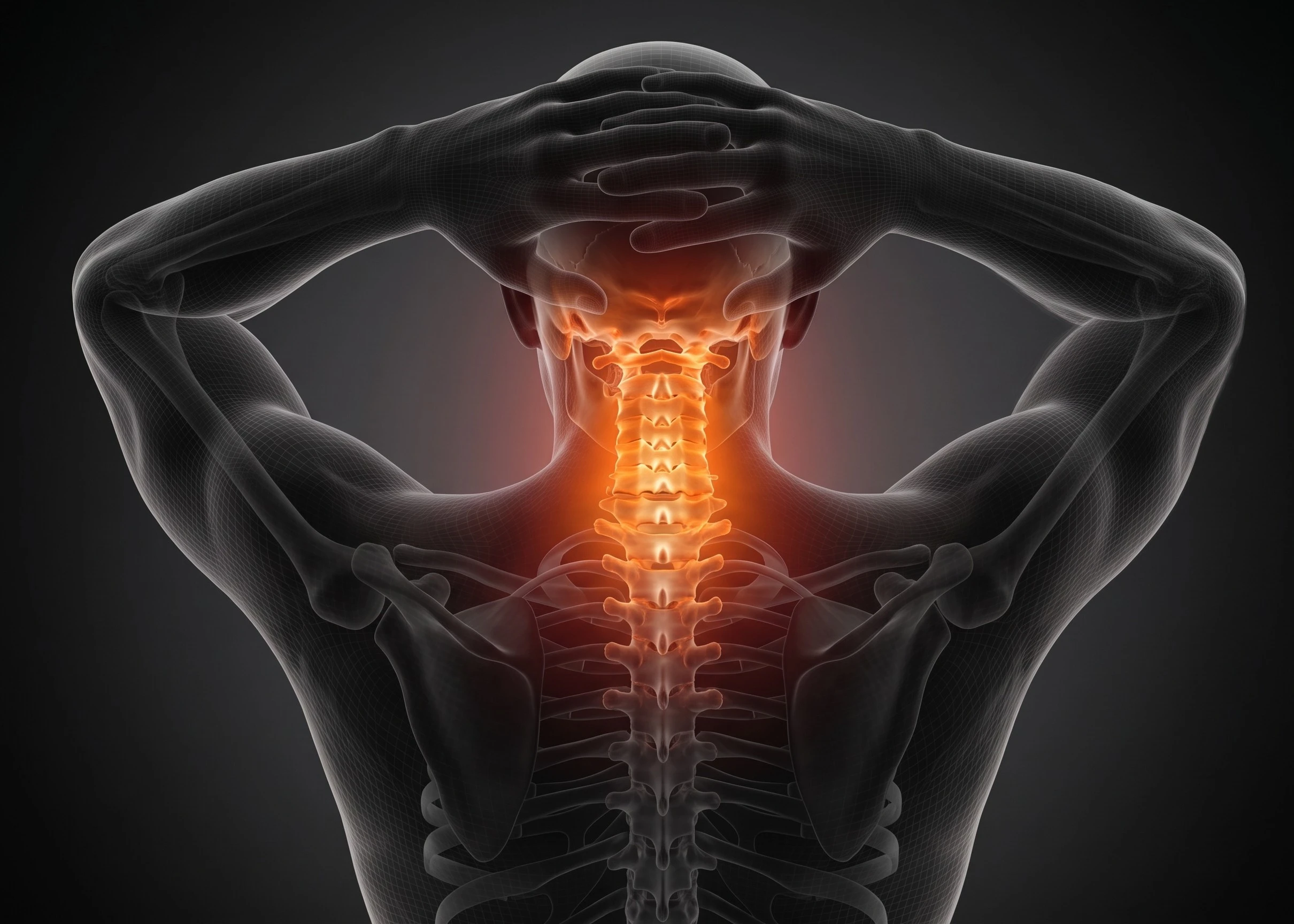
Headaches are not all identical. Over 70% of chronic daily headaches originate from, or are heavily amplified by, the Trigeminocervical Complex—a neural crossroad in the upper spinal cord where sensory nerves from the upper neck (C1, C2, C3) directly merge with the Trigeminal sensory pathways supplying the forehead, temples, and eyes.
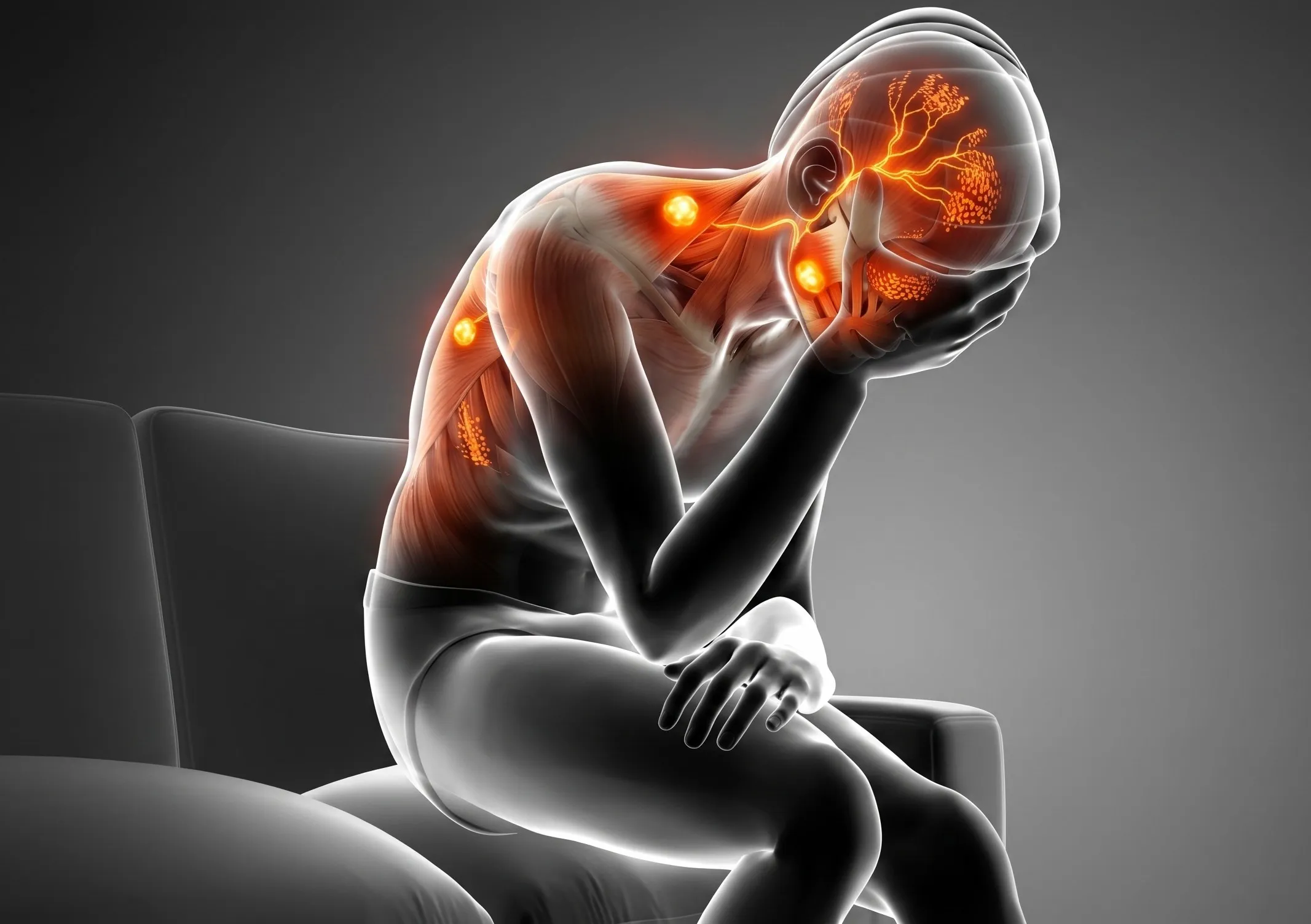
This neural cross-talk explains why upper neck arthritis (Cervicogenic Headache) and pinched occipital nerves (Occipital Neuralgia) mimic or trigger severe unilateral throbbing migraines accompanied by nausea, vomiting, and photophobia (light sensitivity).
Over-reliance on daily over-the-counter painkillers (NSAIDs, paracetamol, triptans) frequently creates a vicious loop called Medication-Overuse Rebound Headaches (MOH).
Interventional Headache Medicine interrupts this loop directly at the neural source. Ultrasound-guided Greater Occipital Nerve (GON) blocks, Sphenopalatine Ganglion (SPG) neuromodulation, and Cervical Facet RFA eliminate chronic headache triggers in 10-minute daycare procedures.
Identifying Your Primary Headache Type
Precise clinical classification determines whether nerve blocks, cervical RFA, or neuromodulation is the best solution.
Chronic Migraine
Unilateral pulsating, throbbing pain lasting 4–72 hours, aggravated by light, sound, and movement; often preceded by visual aura.
Cervicogenic Headache
Pain starts in the upper neck/occiput and radiates forward behind one eye; aggravated by awkward neck posture and sustained screen time.
Occipital Neuralgia
Sharp, jabbing, electric-shock shooting pain traveling from the base of the skull up to the crown of the head along the greater occipital nerve.
Cluster Headache
Excruciating "hot poker" boring pain strictly centered around one eye, accompanied by eye redness, tearing, and nasal congestion.
Our 4-Step Diagnostic Protocol for Headaches
Separating primary headache disorders from structural cervical spine causes and intracranial pathology.
IHS Criteria Review
Detailed headache frequency log, aura triggers, autonomic eye symptoms, and medication overuse history.
Cervical Spine Exam
Manual palpation of C1-C2-C3 facet joints, suboccipital muscle spasm, and Tinel's sign over the greater occipital nerve.
3T Brain & Neck MRI
Rules out vascular aneurysms, space-occupying lesions, Chiari malformations, and cervical disc herniations.
Diagnostic Test Block
Gold Standard: Ultrasound GON block. >80% pain relief confirms trigeminocervical involvement.
Interventional Treatments for Migraines & Headaches
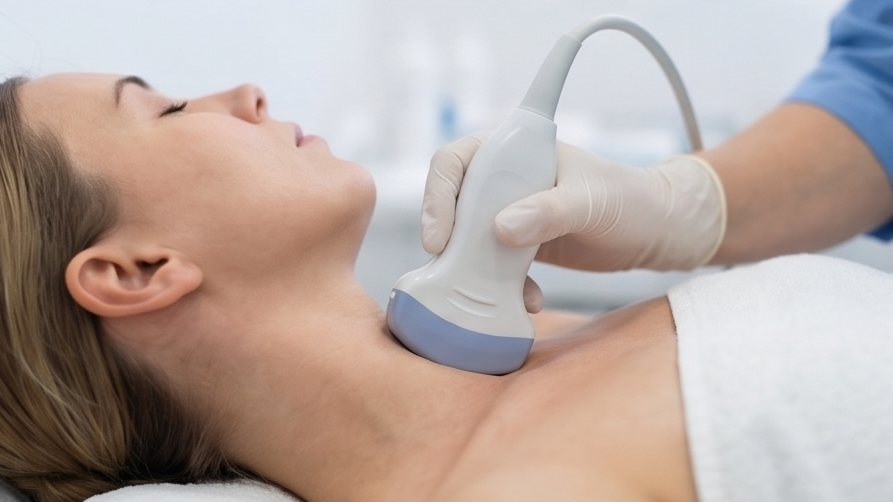
Targeted daycare procedures performed under live ultrasound and fluoroscopic guidance by Dr. Shrutika Bhagat in Patna.
 Fast Relief
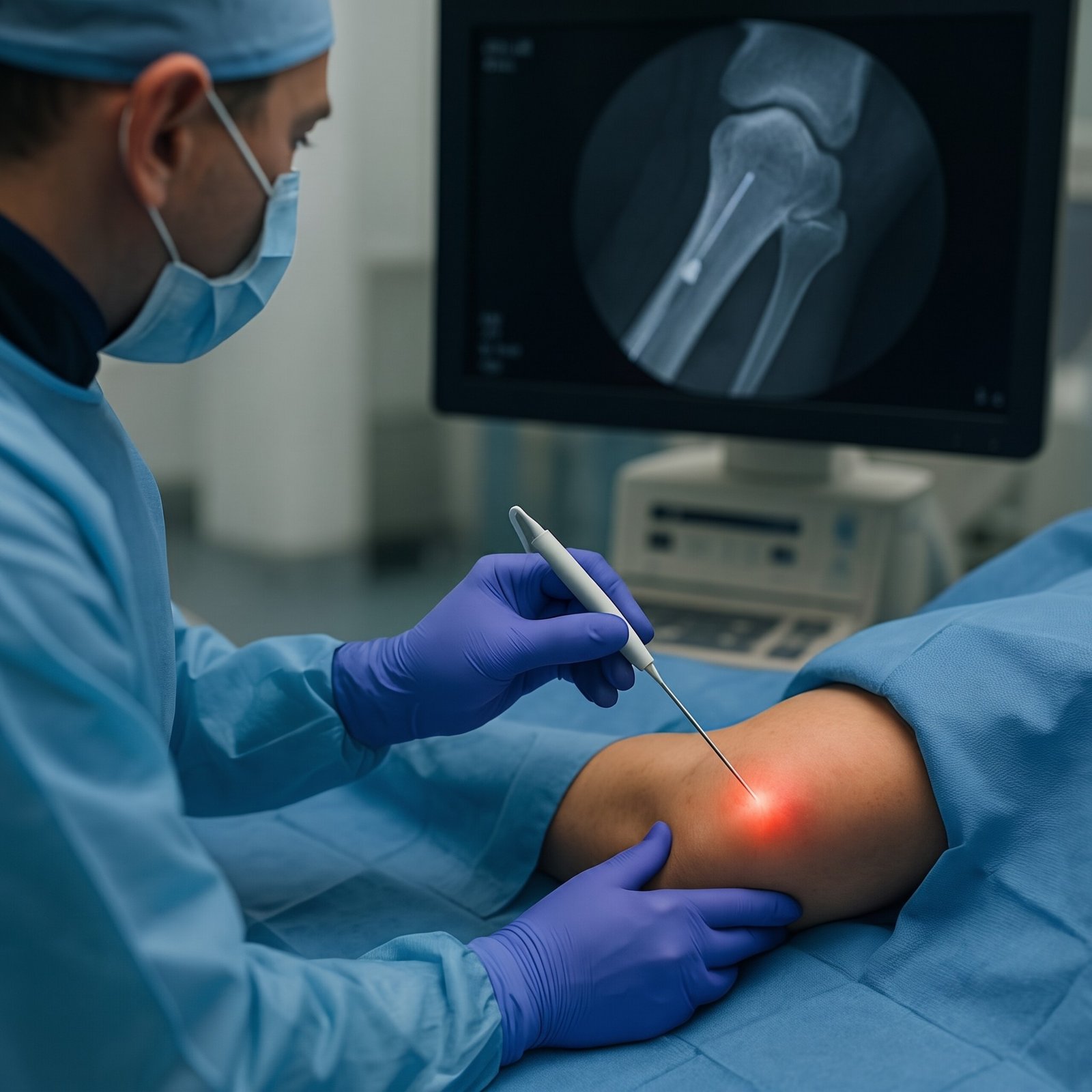
Occipital Nerve Blocks & PRF
Ultrasound-guided block or pulsed radiofrequency (PRF) of the Greater & Lesser Occipital Nerves at the C2 level, halting sensory input into the trigeminocervical nucleus and stopping migraine cascades for 6 to 12 months.
- Aborts acute severe migraine episodes
- Performed in 5 minutes in daycare
 Autonomic Reset
Sphenopalatine Ganglion (SPG) Block
A needleless transnasal or fluoroscopy-guided block delivering soothing anesthetic to the parasympathetic SPG nerve center behind the nose, instantly extinguishing cluster headaches and deep eye migraines.
- Stops eye-tearing, redness & throbbing
- Needleless transnasal option available
 12-24 Mos Relief
Cervical Facet (C2-C3) RFA (TON)
C-Arm guided thermal radiofrequency ablation of the Third Occipital Nerve (TON) and upper cervical medial branches, providing 1 to 2 years of lasting freedom from cervicogenic neck-headaches.
- Eliminates base-of-skull aching
- Restores painless neck rotation
 FDA Approved
Botulinum Toxin (PREEMPT Protocol)
Targeted micro-injections across 31 specific head and neck muscle sites to block the release of neurotransmitters (CGRP, Substance P) that trigger neurogenic inflammation in chronic daily migraine.
- Cuts monthly headache days by >70%
- Sustained protection for 3 to 4 months
 Fascial Release
Suboccipital Fascial Hydrodissection
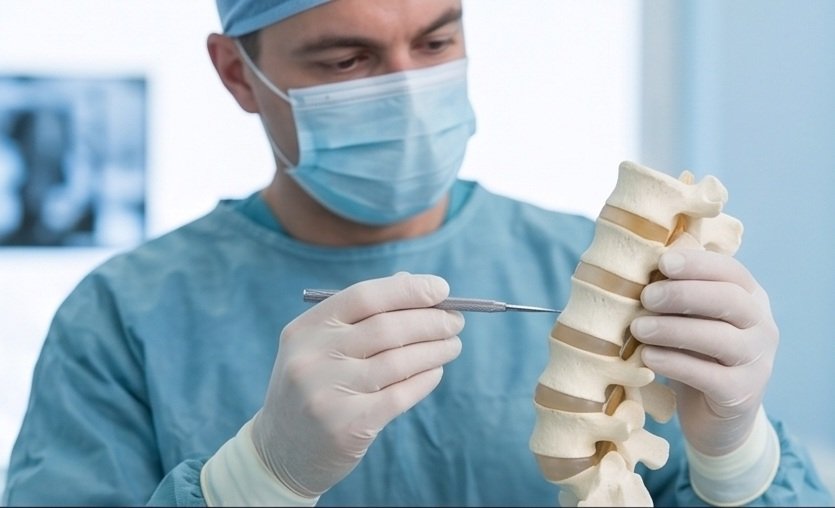
Ultrasound-guided fluid separation of the rectus capitis and obliquus capitis suboccipital fascial compartments, freeing compressed occipital nerves and dissolving tension headache knots.
- Discharges tight band-like head pressure
- Relieves eye strain from computer screens
 Prevention
CGRP & Preventive Protocol
Guidance on novel CGRP receptor antagonists (Gepants/Monoclonal antibodies), sleep rhythm stabilization, and weaning off addictive over-the-counter painkiller combinations.
- Prevents future headache relapses
- Breaks medication-overuse dependency
Daily Painkiller Overuse vs. Interventional Nerve Blocks
Why targeted nerve blocks stop the cycle of rebound headaches and protect your stomach and kidneys.
| Clinical Feature | Daily Oral Pills (NSAIDs / Triptans / Combiflam) | Interventional Occipital & SPG Blocks / RFA |
|---|---|---|
| Risk of Rebound Headaches | Extremely high (Medication Overuse Headaches occur daily) | Zero rebound risk; actively breaks the chronic pain loop |
| Target Specificity | Circulates throughout entire body; dulls brain perception | Directly desensitizes the exact trigeminocervical pathways |
| Organ Toxicity | Severe stomach ulcers, acidity, kidney & liver toxicity | Safe localized micro-doses with zero systemic organ damage |
| Duration of Relief | Short-lived (4 to 6 hours); headache rebounds next morning | Sustained freedom from headaches for 6 to 24 months |
| Procedure Time | Requires endless daily pill swallowing | Single 10-minute daycare outpatient procedure |
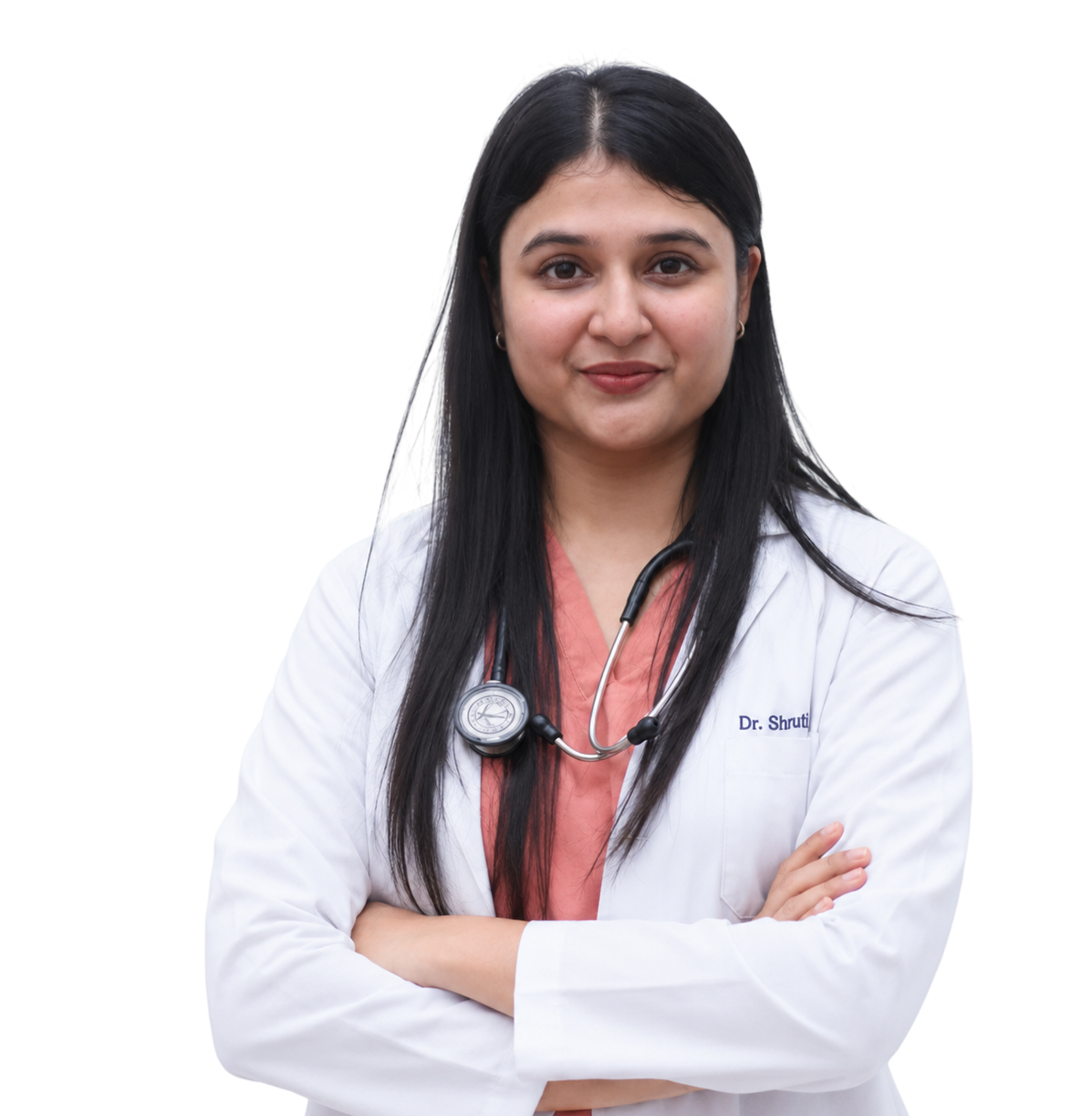
Dr. Shrutika Bhagat
MBBS, MD, FIRA, FIAPM | Interventional Pain & Spine Endoscopy
Dr. Shrutika Bhagat brings super-specialized training in full-endoscopic spine surgery and image-guided interventional pain management, having successfully treated thousands of patients with severe back pain, disc prolapse, sciatica, nerve compression, and joint arthritis in Patna.
Migraine & Headache FAQs
Clinical answers regarding Occipital blocks, SPG therapy, cervicogenic headaches, and stopping daily painkillers.
Don't Let Chronic Pain Control Your Life.
Take the first step toward understanding your pain and exploring modern, evidence-based minimally invasive relief with Dr. Shrutika Bhagat.