Myofascial Pain Syndrome Treatment in Patna
Release painful muscle knots, chronic trigger points & postural spasms through precision ultrasound-guided trigger point injections, fascial hydrodissection & IMS.
Understanding Myofascial Pain Syndrome (MPS) & Muscle Knots
Myofascial Pain Syndrome (MPS) is a chronic neuromuscular pain disorder originating from hyperirritable spots in taut bands of skeletal muscle fibers and their surrounding fascia, clinically termed Myofascial Trigger Points (Muscle Knots).
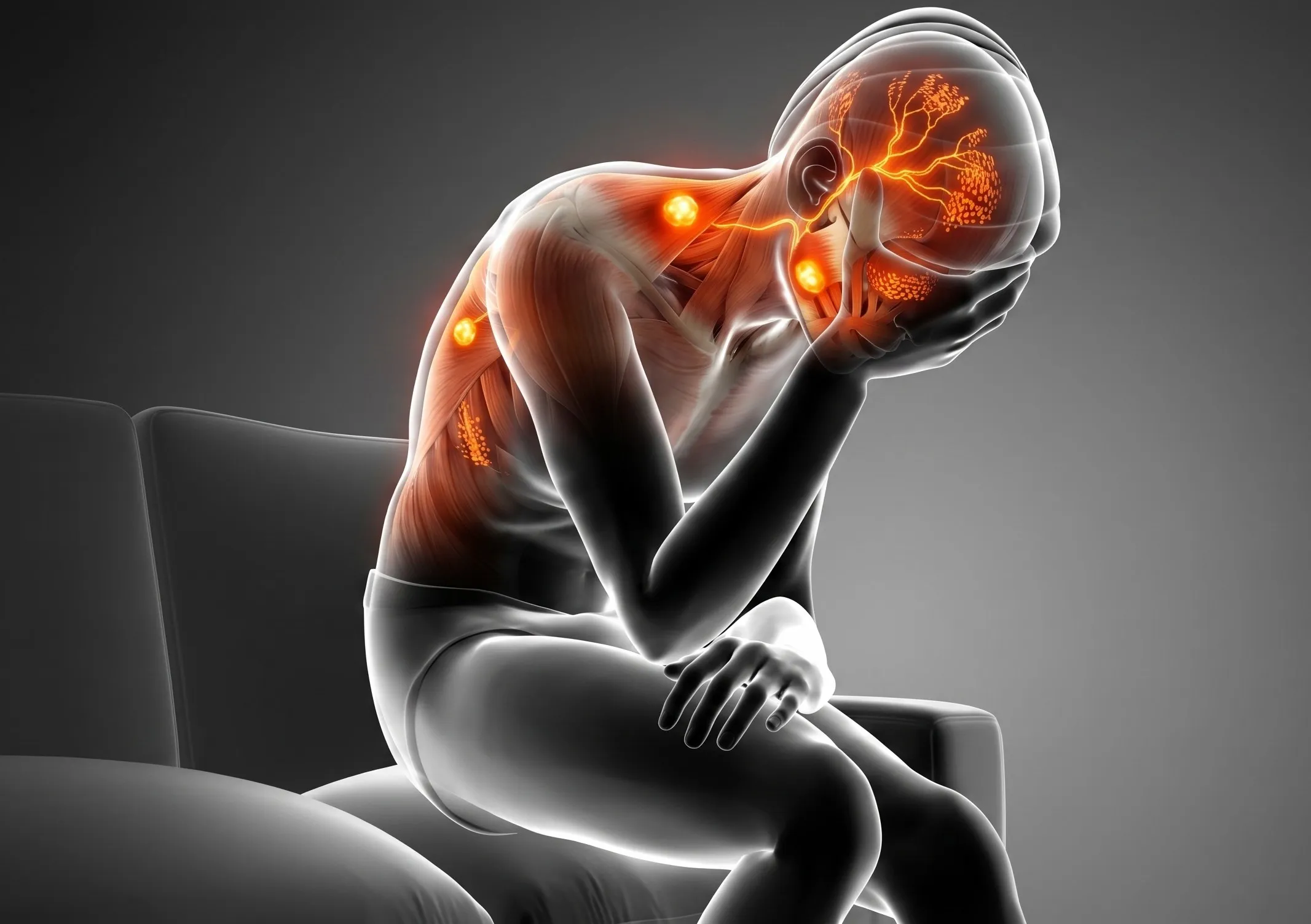
When a muscle is subjected to prolonged computer desk posture, repetitive strain, psychological stress, or underlying spinal disc/facet arthritis, sustained microscopic muscle contractions compress local micro-capillaries. This creates an ischemic energy crisis—depleting local oxygen (ATP) while trapping inflammatory chemicals (Bradykinin, Substance P), locking the muscle fibers in an agonizing, self-perpetuating spasm.
Trigger points cause not only localized pain, but also characteristic Referred Pain Patterns:
- Trapezius / Levator Scapulae Knots: Cause severe tension headaches, neck stiffness, and pain behind the eyes.
- Quadratus Lumborum / Gluteal Knots: Mimic sciatica and chronic lower back pain.
Ultrasound-Guided Trigger Point Injections (TPI) & Fascial Hydrodissection directly disrupt the contraction knots, wash out inflammatory mediators, and release entrapped sensory cutaneous nerves—restoring pain-free muscle elasticity immediately.
Active vs. Latent Trigger Points
Understanding your myofascial trigger point subtype guides targeted interventional release.
Active Trigger Points
Causes spontaneous, continuous dull or burning pain even at rest. Highly sensitive on palpation with an immediate "jump sign" and distinct referred pain to distant areas.
Latent Trigger Points
Clinically silent at rest, but causes localized stiffness, muscle weakness, and restricted range of motion. Only becomes painful when compressed.
Secondary / Satellite Knots
Trigger points developing in surrounding muscle groups as a protective spasm in response to an underlying spinal disc herniation or facet joint arthritis.
Our 4-Step Diagnostic Protocol for Myofascial Pain
Combining expert palpation mapping with dynamic ultrasound to distinguish MPS from fibromyalgia and nerve entrapments.
Taut Band Palpation
Flat and pincer palpation across muscle fibers to detect taut bands, local twitch responses (LTR), and patient pain reproduction.
Dynamic Ultrasound
High-resolution ultrasound visualizes hypoechoic (dark) focal nodular thickening and reduced fascial gliding in real time.
Spinal & Nerve Screen
Spine MRI evaluation to rule out primary disc herniations, facet arthropathy, or radicular nerve root irritation.
Diagnostic Release
Ultrasound-guided targeted local anesthetic injection into the knot. Immediate relaxation confirms the primary pain generator.
Interventional Treatments for Myofascial Pain
Targeted daycare procedures performed under live dynamic ultrasound guidance by Dr. Shrutika Bhagat in Patna.
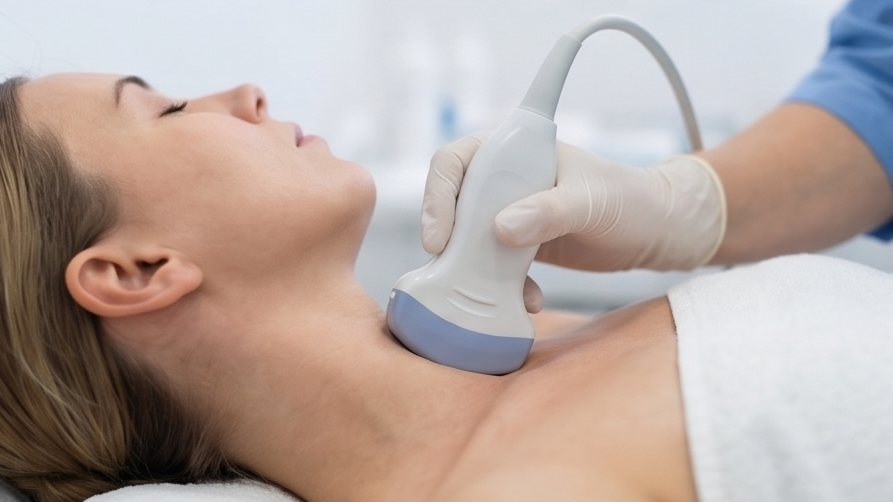 Image-Guided
Ultrasound Trigger Point Injections
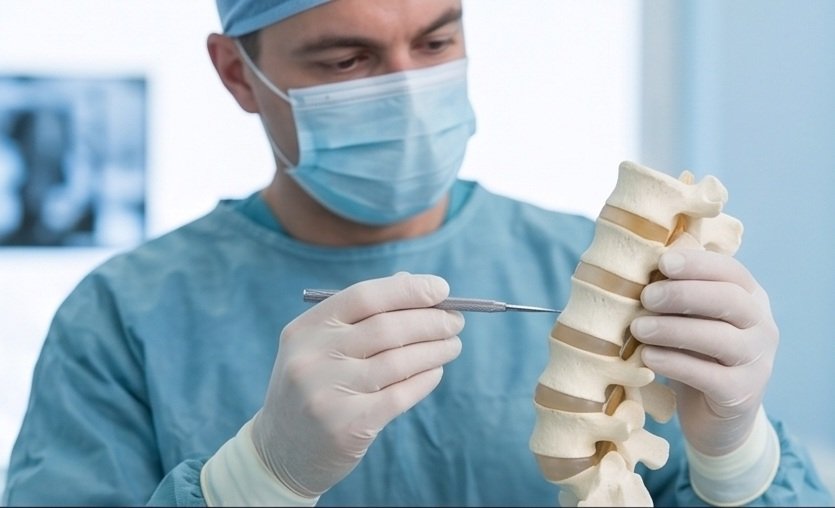
A fine needle is guided directly into the core of the taut band under real-time ultrasound. The injection mechanically breaks the contraction knot and washes out accumulated chemical pain irritants.
- Instant muscle relaxation & relief
- Performed in 5 minutes in daycare
Fascial Release
Ultrasound Fascial Hydrodissection
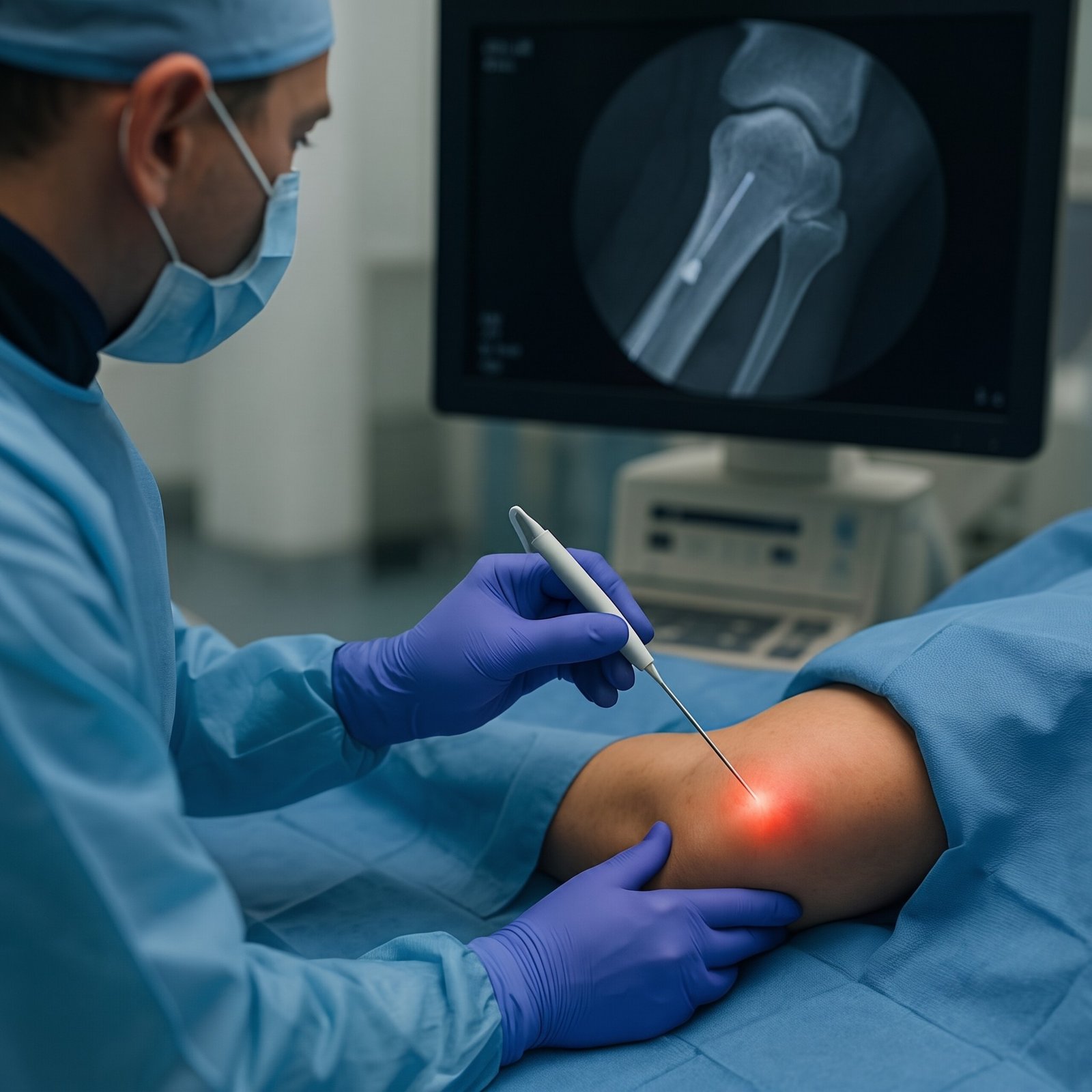
Injecting gentle fluid layers between entrapped muscle bellies (e.g., trapezius, rhomboids, thoracolumbar fascia) to peel apart scarred fascial layers and free choked cutaneous sensory nerves.
- Restores smooth inter-muscular gliding
- Eliminates chronic burning back aches
 Biologic Repair
Autologous Muscle PRP Biotherapy
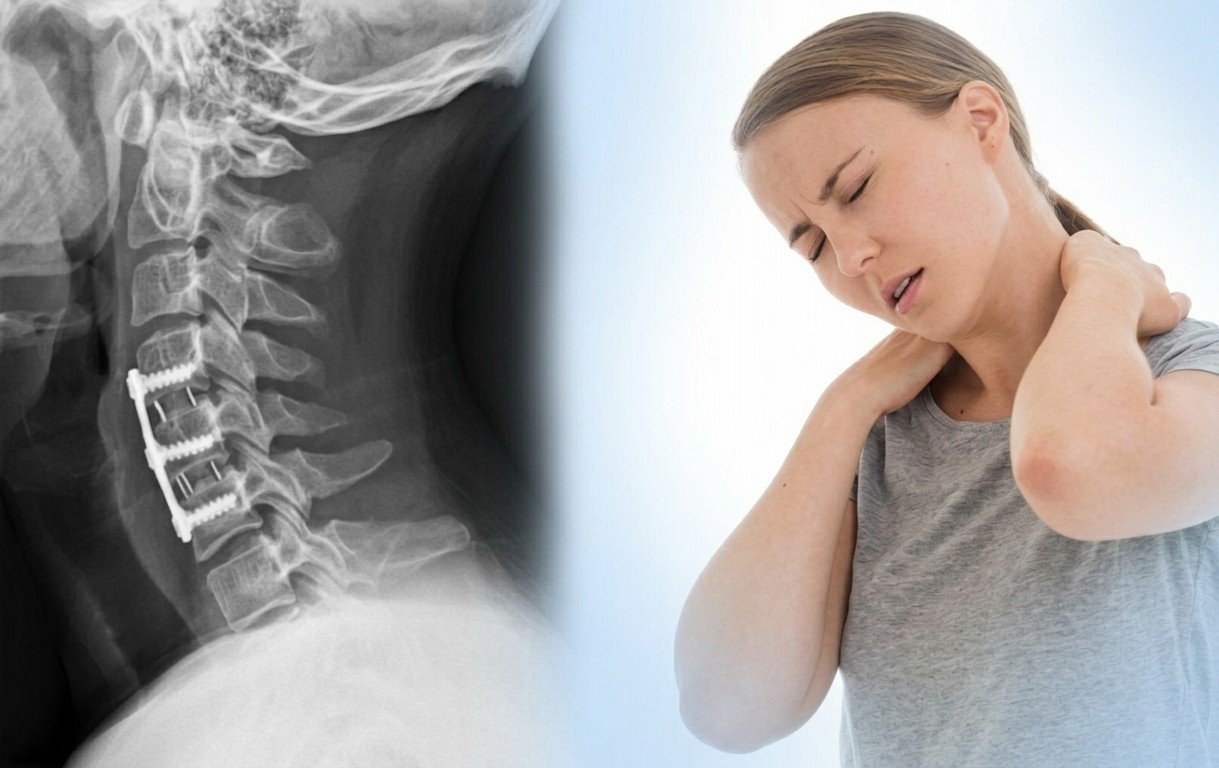
Platelet-rich plasma injected into chronically fatigued, torn, and scarred muscle bellies to promote cellular muscular regeneration, improve vascularity, and prevent recurrent knot formation.
- 100% natural, patient's own healing cells
- Rebuilds healthy muscle fiber tissue
 Neuromuscular
Intramuscular Stimulation (IMS)
Dry needling technique inserting ultra-fine acupuncture needles into shortened muscle bands, eliciting a local twitch response that instantly resets the hyper-excitable neuromuscular junction.
- Resets shortened spastic muscles
- Relieves chronic deep myofascial tension
 Regional Block
Erector Spinae Plane (ESP) Block
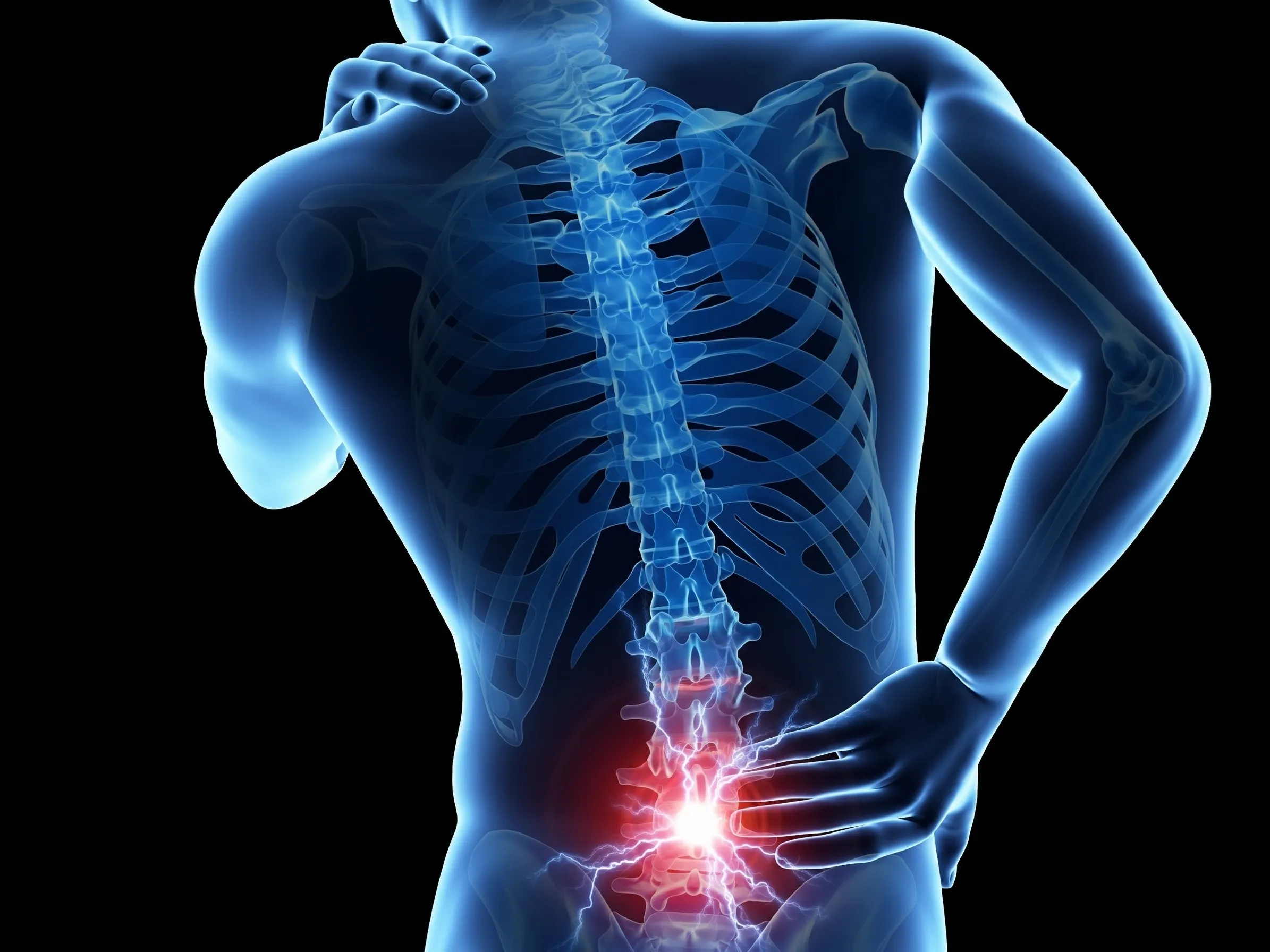
Ultrasound-guided regional interfascial plane block delivering anti-inflammatory medicine beneath the deep spinal muscles, bathing multiple dorsal rami to extinguish widespread back spasms.
- Comprehensive multi-level pain relief
- Relaxes entire posterior muscle chain
 Rehabilitation
Postural Ergonomics & Rehab
Workstation computer ergonomic redesign, active myofascial self-stretching, and deep postural muscle strengthening to eliminate perpetual biomechanical overload.
- Fixes forward head & rounded shoulders
- Prevents knot recurrence at work
Long-Term Painkillers vs. Ultrasound Interventions
Why targeted trigger point therapy and hydrodissection are superior to temporary oral medications.
| Clinical Feature | Oral Painkillers & Muscle Relaxants | Ultrasound Trigger Point Injections & Hydrodissection |
|---|---|---|
| Mechanism of Action | Dulls brain perception; does not release mechanical muscle knots | Physically disrupts contraction knots & washes out irritants |
| Side Effects | Sedation, gastric acidity, liver & kidney toxicity risk | Zero systemic organ toxicity (Purely localized target) |
| Time to Relief | Slow (Hours); wears off in 4–6 hours | Immediate muscular relaxation within 2 to 5 minutes |
| Fascial Adhesion Release | Cannot release scarred fascial layers or trapped nerves | Separates glued fascial planes through fluid hydrodissection |
| Long-Term Outcome | Dependency and tolerance buildup | Long-lasting tissue healing and restored muscle elasticity |

Dr. Shrutika Bhagat
MBBS, MD, FIRA, FIAPM | Interventional Pain & Spine Endoscopy
Dr. Shrutika Bhagat brings super-specialized training in full-endoscopic spine surgery and image-guided interventional pain management, having successfully treated thousands of patients with severe back pain, disc prolapse, sciatica, nerve compression, and joint arthritis in Patna.
Myofascial Pain FAQs
Clinical answers regarding trigger points, dry needling, fascial hydrodissection, and lasting muscle relief.
Don't Let Chronic Pain Control Your Life.
Take the first step toward understanding your pain and exploring modern, evidence-based minimally invasive relief with Dr. Shrutika Bhagat.