Chronic Pelvic Pain Treatment in Patna
Relief from burning sitting pain, Pudendal Neuralgia, pelvic floor spasms, endometriosis pain & bladder pressure through precision ultrasound nerve blocks & Ganglion Impar RFA.
Understanding Chronic Pelvic Pain & Pudendal Neuralgia
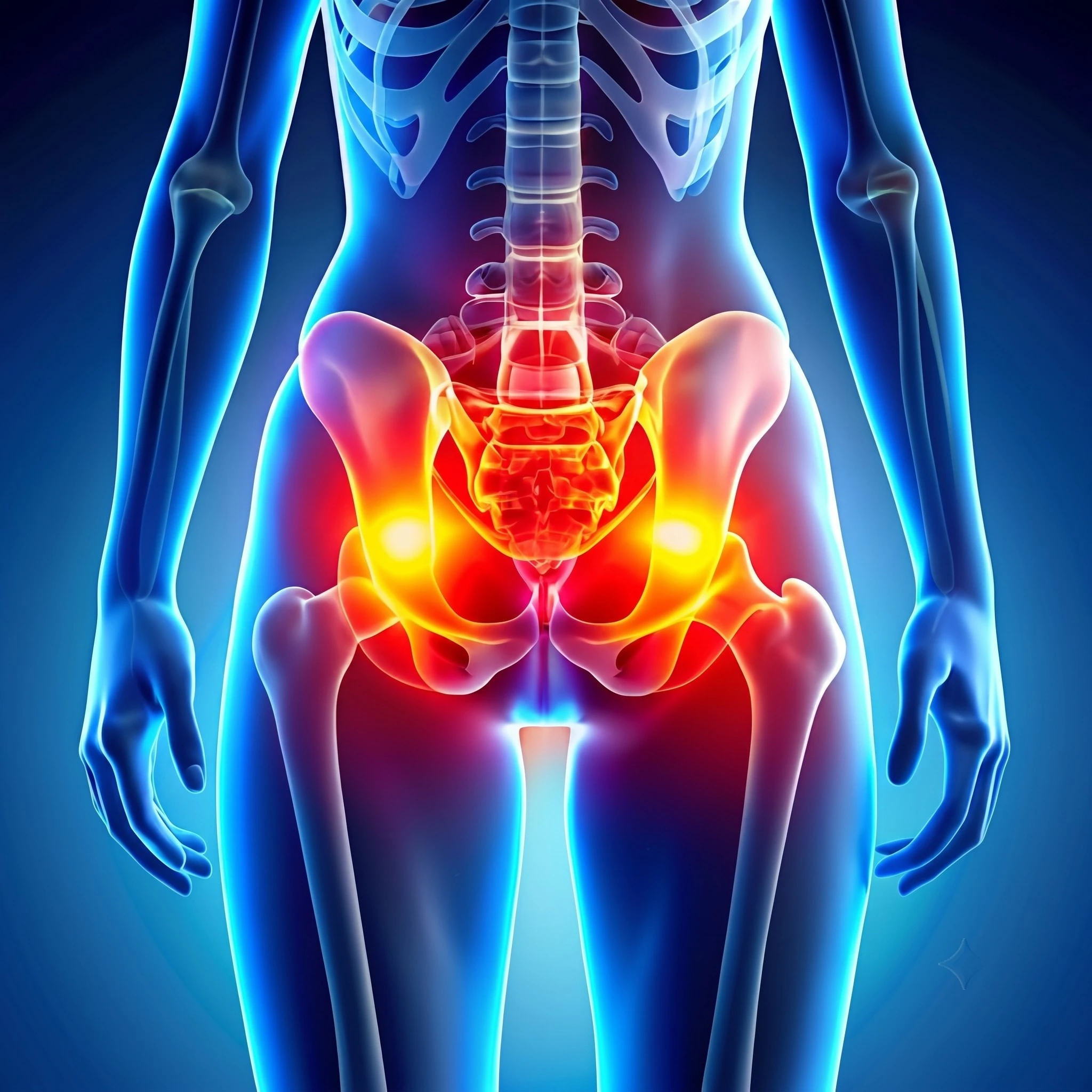
Chronic Pelvic Pain Syndrome (CPPS) is defined as non-malignant pain perceived in the pelvis, perineum, vulva, scrotum, rectum, or lower abdomen persisting for >6 months.
A major and frequently under-diagnosed cause of chronic pelvic pain is Pudendal Neuralgia. The Pudendal Nerve (S2, S3, S4) travels through a narrow anatomical tunnel between the sacrotuberous and sacrospinous ligaments (Alcock's Canal). When pinched or irritated by prolonged cycling, childbirth trauma, pelvic surgery, or chronic spasm of the levator ani muscle, it produces agonizing burning, tingling, or "foreign body sensation" in the perineum that worsens dramatically on sitting and is relieved on standing or sitting on a toilet seat.
Other common causes include refractory Endometriosis, Interstitial Cystitis (Painful Bladder Syndrome), and Chronic Prostatitis / CPPS in men.
Interventional Pelvic Pain Medicine provides pinpoint solutions: ultrasound-guided Pudendal Nerve Blocks/PRF at the ischial spine, Superior Hypogastric Plexus Blocks, and Ganglion of Impar RFA eliminate debilitating pelvic and perineal pain without surgical organ resection.
Conditions Causing Chronic Pelvic Pain
Pinpointing the exact neurovascular or musculoskeletal pain generator to tailor the correct intervention.
Pudendal Neuralgia (Alcock's Canal)
Burning, knife-like pain or feeling like "sitting on a golf ball" in the perineum, rectum, or genitalia that worsens upon sitting and vanishes when standing or lying flat.
Refractory Endometriosis & Adenomyosis
Deep visceral uterine and ovarian pain that persists despite laparoscopic surgery or hormonal therapy. Treated via Superior Hypogastric Plexus Block.
Painful Bladder & Levator Ani Spasms
Interstitial Cystitis (IC) with severe suprapubic pain upon bladder filling, and hypertonic pelvic floor muscle spasms causing painful bowel movements.
Our 4-Step Diagnostic Protocol for Pelvic Pain
Applying international Nantes Criteria to accurately diagnose Pudendal Nerve Entrapment and visceral pain pathways.
Nantes Clinical Exam
Testing 5 essential criteria: pain in pudendal territory, aggravated by sitting, does not wake patient at night, no objective sensory loss, and positive block.
Pelvic Floor Palpation
Transvaginal or transrectal palpation of the ischial spine and levator ani/obturator internus muscles for localized trigger points.
3T Pelvic MRI Neurography
High-resolution MR Neurography visualizing pudendal nerve entrapment at the ischial spine and ruling out pelvic congestion or deep endometriosis.
Diagnostic Test Block
Gold Standard: Ultrasound-guided Pudendal nerve block. Immediate >80% relief while sitting confirms diagnosis.
Interventional Treatments for Pelvic Pain
Pinhole daycare procedures performed under live ultrasound and fluoroscopic C-Arm guidance by Dr. Shrutika Bhagat in Patna.
 Gold Standard
Pudendal Nerve Block & Pulsed RFA
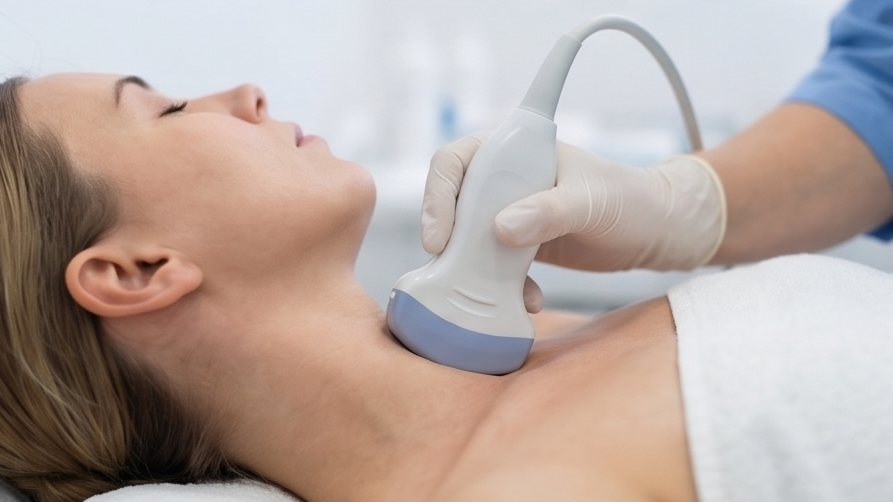
High-resolution ultrasound guidance tracks the pudendal nerve between the sacrospinous and sacrotuberous ligaments at the ischial spine, delivering anti-inflammatory fluid and pulsed RF to reset chronic sitting pain.
- Instant relief from burning sitting agony
- 10-minute daycare procedure with zero downtime
Visceral Relief
Superior Hypogastric Plexus Block
C-Arm fluoroscopy-guided precision block at the L5/S1 vertebral junction, blocking sympathetic and visceral sensory pain from the uterus, ovaries, bladder, and colon in endometriosis and pelvic pain.
- Stops deep chronic uterine & ovarian aching
- Avoids repeated invasive pelvic laparoscopies
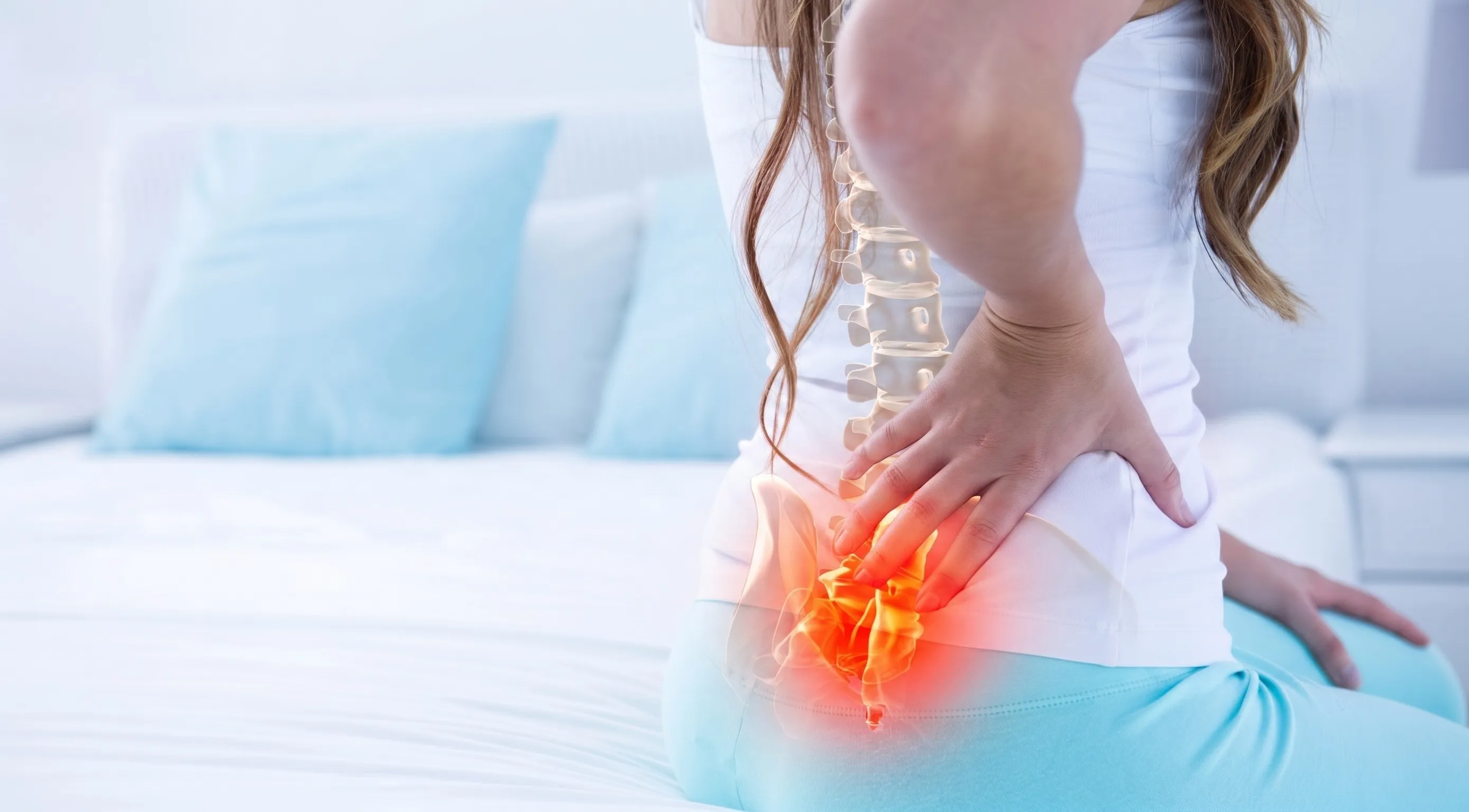 Perineal Center
Ganglion of Impar Block & RFA
C-Arm guided block of the solitary terminal sympathetic ganglion in front of the sacrococcygeal joint, eliminating burning and aching in the rectum, perineum, vulva, and tailbone.
- Discharges sympathetic pelvic burning
- Long-lasting relief without surgery
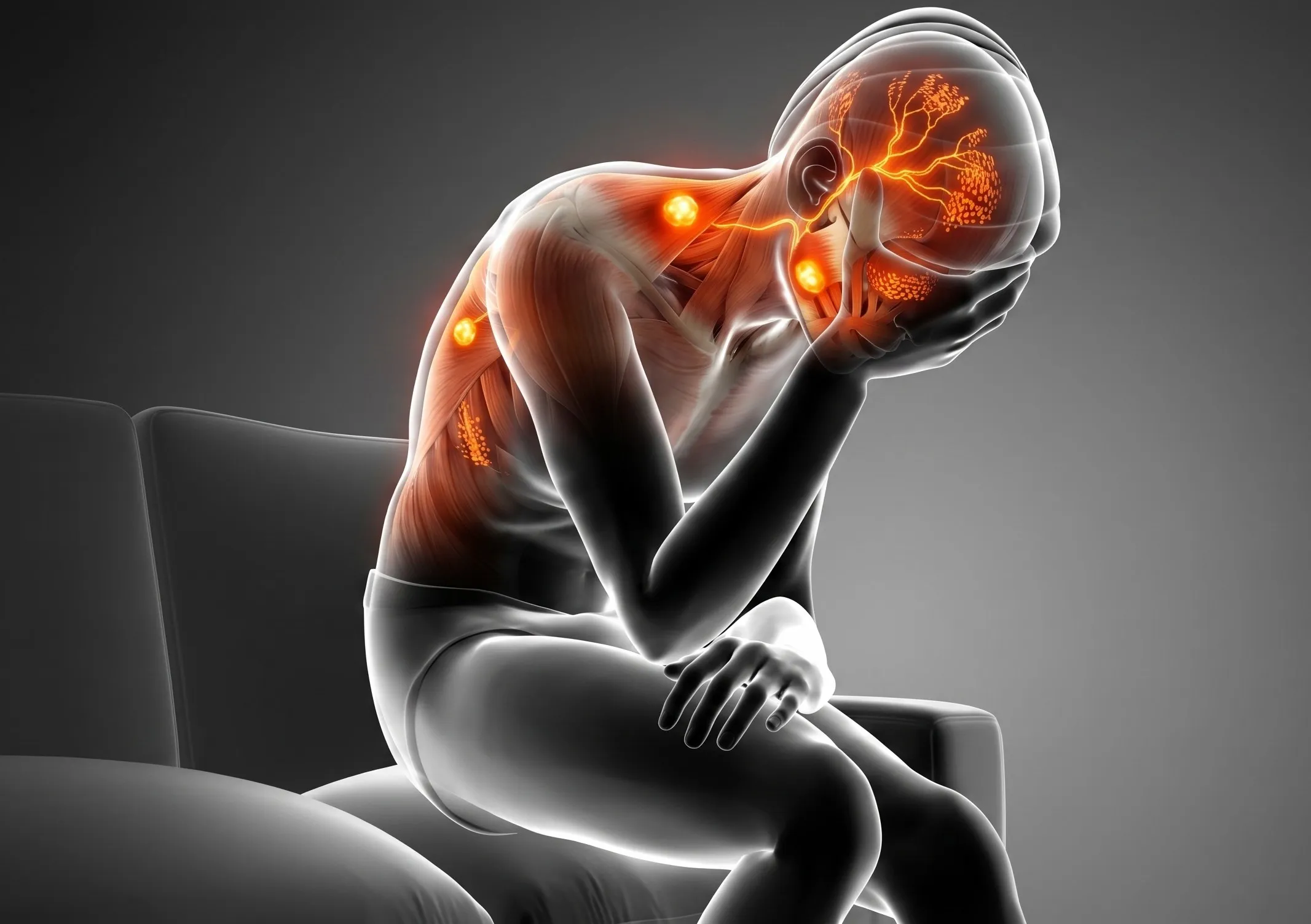 Pelvic Floor Release
Pelvic Floor Trigger Hydrodissection
Targeted release of chronic hypertonic spasms in the levator ani, coccygeus, and obturator internus muscles to relieve pelvic tightness and painful intercourse (Dyspareunia).
- Eliminates deep pelvic muscle spasms
- Restores painless bowel movements
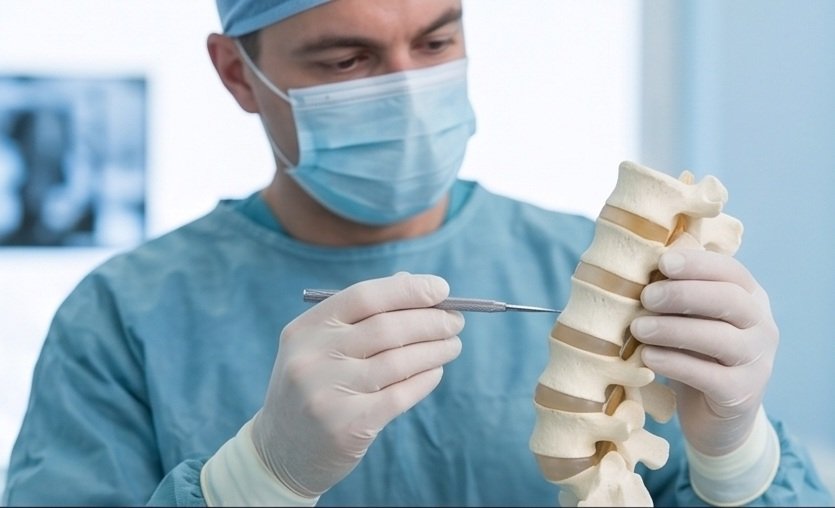 Biologic Healing
Autologous Pelvic PRP Biotherapy
High-concentration platelet growth factors injected under ultrasound into damaged sacrotuberous ligaments, pubic symphysis, and perineal fascia to heal post-childbirth tears.
- 100% natural, patient's own healing cells
- Restores pelvic ring ligamentous stability
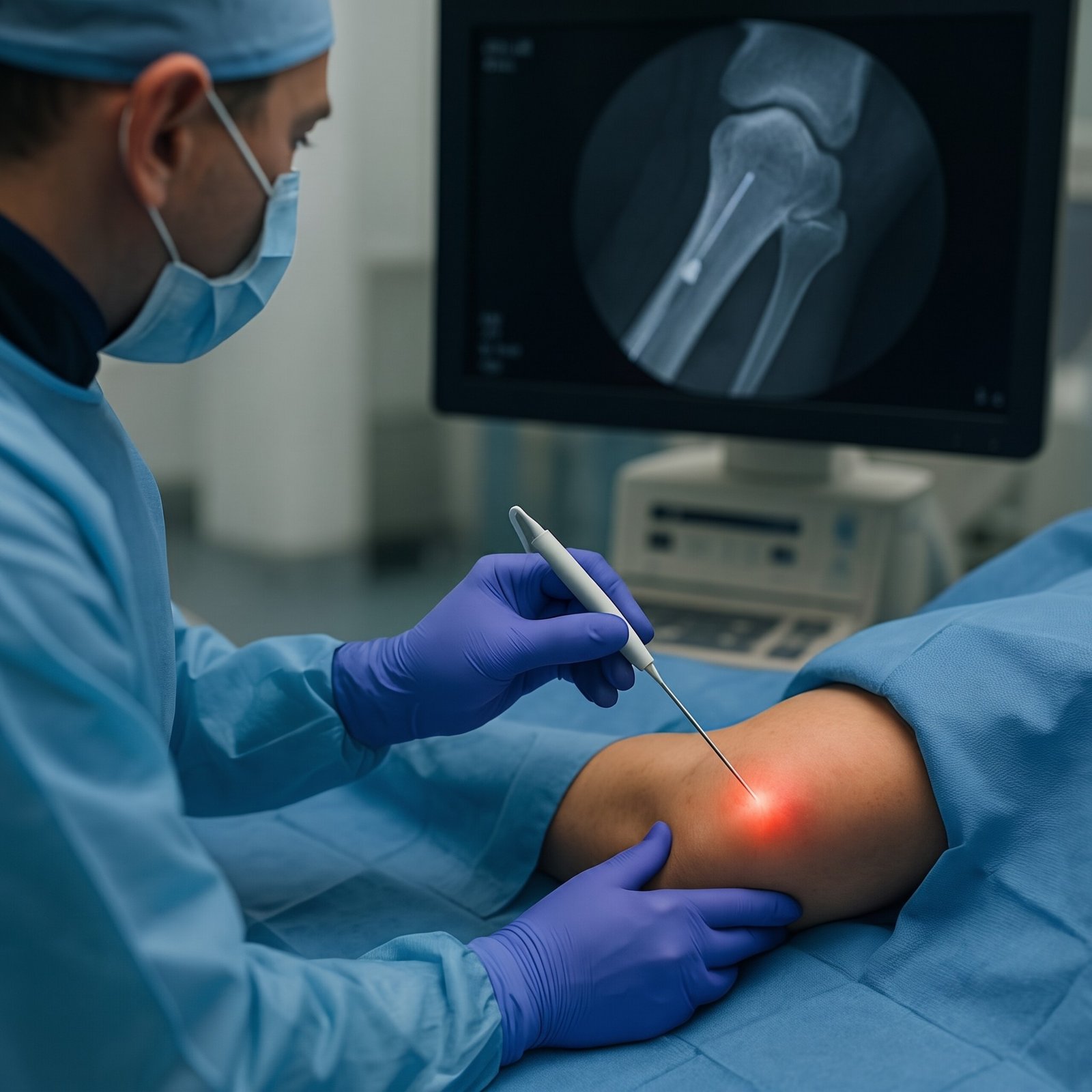 Neuromodulation
Sacral Neuromodulation & Rehab
Sacral nerve root (S3) pulsed stimulation, specialized pelvic floor relaxation physiotherapy, and ergonomic pressure-relieving seat offloading cushions.
- Comprehensive long-term control
- Restores bladder and bowel harmony
Repeated Pelvic Surgeries vs. Targeted Interventions
Why non-surgical nerve blocks stop the cycle of unnecessary exploratory operations and organ resections.
| Clinical Feature | Repeated Laparoscopies / Hysterectomy | Interventional Pudendal & Hypogastric Blocks / RFA |
|---|---|---|
| Cause of Failure | Does not address neuropathic nerve entrapment in Alcock's canal | Directly frees and desensitizes the entrapped pudendal nerve |
| Pelvic Adhesion Risk | Surgeries create extensive new post-operative scar tissue adhesions | Zero scar tissue; gentle fluid hydrodissection separates planes |
| Organ Preservation | High risk of unnecessary organ removal without pain resolution | 100% natural pelvic organ and reproductive anatomy preservation |
| Sitting Tolerance | Sitting remains severely painful after surgery | Immediate ability to sit comfortably in cars and office chairs |
| Hospital Stay | 3 to 7 days hospital admission with long surgical recovery | Daycare: Discharged in 1 to 2 hours under local anesthesia |

Dr. Shrutika Bhagat
MBBS, MD, FIRA, FIAPM | Interventional Pain & Spine Endoscopy
Dr. Shrutika Bhagat brings super-specialized training in full-endoscopic spine surgery and image-guided interventional pain management, having successfully treated thousands of patients with severe back pain, disc prolapse, sciatica, nerve compression, and joint arthritis in Patna.
Chronic Pelvic Pain FAQs
Clinical answers regarding Pudendal Neuralgia, sitting discomfort, Superior Hypogastric blocks, and recovery.

Don't Let Chronic Pain Control Your Life.
Take the first step toward understanding your pain and exploring modern, evidence-based minimally invasive relief with Dr. Shrutika Bhagat.