Peripheral Vascular Pain Treatment in Patna
Relief from critical leg ischemia, night rest pain, walking claudication, Buerger's disease & non-healing ulcers through precision Lumbar Sympathectomy RFA & Spinal Cord Stimulation.
Understanding Ischemic Leg Pain & Vascular Disease
Peripheral Vascular Disease (PVD / PAD) occurs when narrowed or occluded arteries severely restrict blood circulation to the lower limbs. When oxygen and nutrient delivery fall below baseline cellular requirements, patients suffer from severe Critical Limb Ischemia (CLI).
In conditions like Buerger's Disease (Thromboangiitis Obliterans - TAO), Raynaud's phenomenon, and diabetic atherosclerosis, small and medium blood vessels suffer from continuous sympathetic vasoconstriction, leading to two agonizing clinical stages:
- Intermittent Claudication: Severe cramping calf pain that forces you to stop walking after 50 to 100 meters.
- Ischemic Rest Pain: Agonizing burning pain in the toes and foot that awakens you at night, forcing you to hang your leg out of bed for gravity flow.
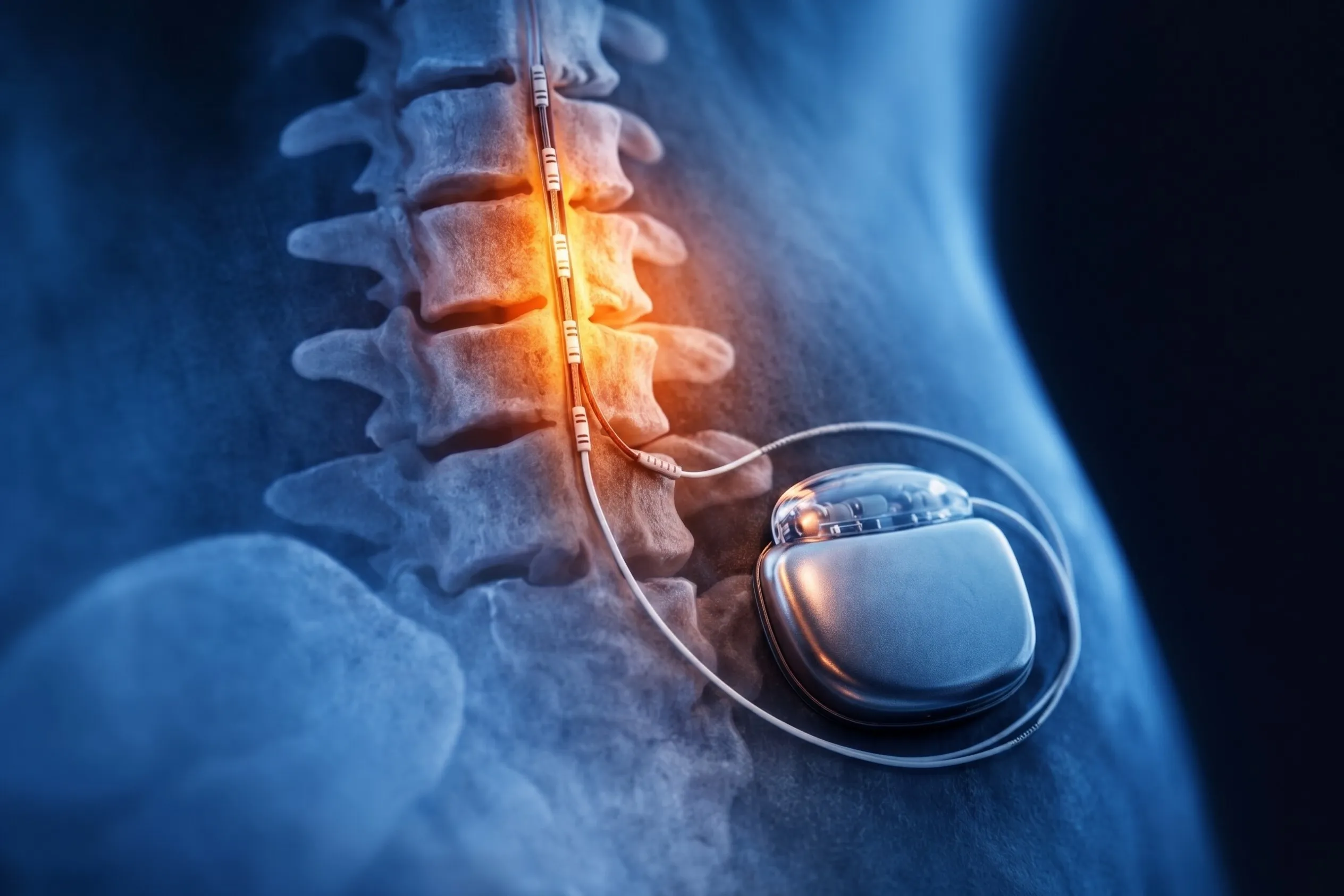
When surgical vascular bypass or stenting is technically impossible (e.g., diffuse distal vessel disease in Buerger's), Interventional Lumbar Sympathectomy (RFA) and Spinal Cord Stimulation (SCS) open collateral micro-capillaries, warming the cold foot, relieving rest pain, accelerating ulcer healing, and saving the limb from amputation.
Stages of Peripheral Ischemia
Identifying your stage under Fontaine criteria to prevent the progression towards gangrene and tissue loss.
Stage 2: Walking Claudication
Severe tightness, cramping, and heavy fatigue in the calf or thigh muscles that begins after walking a predictable distance and disappears after 5 minutes of rest.
Stage 3: Ischemic Rest Pain
Severe, relentless burning pain in the foot and toes even at total bed rest. Pain worsens when elevating legs, forcing the patient to sleep sitting in an armchair.
Stage 4: Ischemic Ulcers & Gangrene
Painful non-healing skin ulcers on the toe tips or heel, and black dry gangrene. Requires urgent interventional sympathectomy / SCS to save the foot.
Our 4-Step Diagnostic Protocol for Vascular Pain
Comprehensive assessment of macroscopic and microscopic limb perfusion to determine sympathectomy candidacy.
Ankle-Brachial Index (ABI)
Doppler ABI and segmental pressure measurements to objectively quantify the reduction in arterial flow to the foot.
Arterial Doppler / CTA
CT Angiography or Color Doppler to evaluate vessel patency, segmental occlusions, and runoff vessel quality.
Skin Temperature Delta
Infrared cutaneous thermometry tracking foot temperature disparity and assessing sympathetic vasomotor tone.
Diagnostic Sympathetic Block
Gold Standard: C-Arm guided Lumbar Sympathetic Block. Rise in foot temp >2°C and >80% pain relief confirms RFA.
Interventional Treatments for Vascular Pain
Pinhole daycare procedures performed under live fluoroscopic C-Arm guidance by Dr. Shrutika Bhagat in Patna.
 Gold Standard
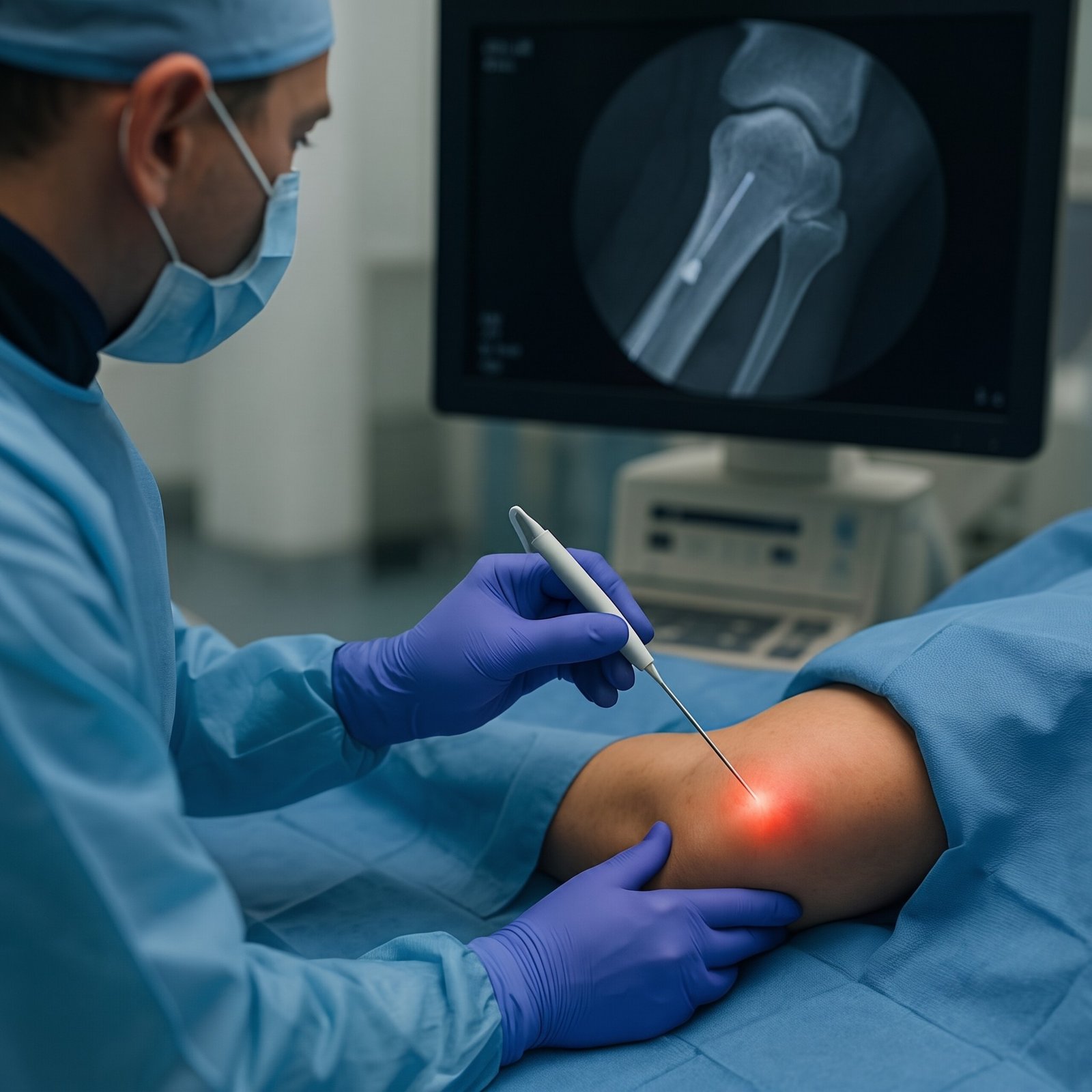
Lumbar Sympathetic Ganglion RFA
C-Arm guided needle placement at the anterolateral aspect of the L2/L3 vertebral bodies. Thermal radiofrequency permanently ablates sympathetic vasoconstrictor nerves, maximizing arterial vasodilatation to the foot.
- Warms cold foot and stops night rest pain
- 20-minute daycare procedure under local anesthesia
Limb Salvage
Spinal Cord Stimulation (SCS)
FDA-approved neuromodulation for non-reconstructible Critical Limb Ischemia. Low-voltage electrical stimulation triggers autonomic vasodilatation and stimulates vascular endothelial growth factors (VEGF) to sprout new capillaries.
- Cuts amputation risk by over 60%
- Heals stubborn ischemic toe ulcers
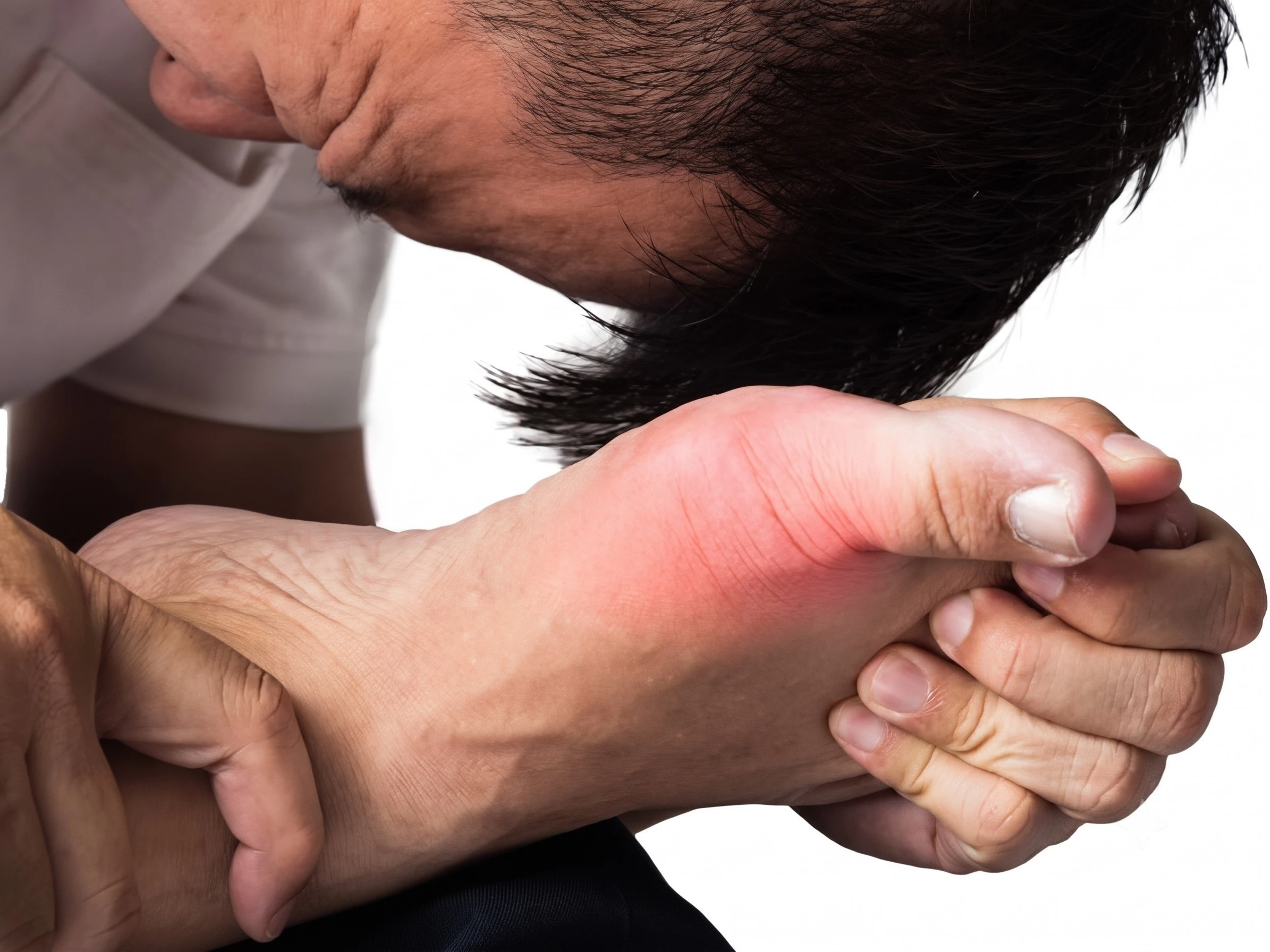 Raynaud's / Hand
Stellate Ganglion Block & PRF
Ultrasound-guided sympathetic block at C6 for upper extremity digital necrosis, Raynaud's phenomenon, and scleroderma vascular spasm, restoring brisk fingertip capillary refill.
- Reverses finger blanching, blueness & pain
- Promotes rapid digital ulcer healing
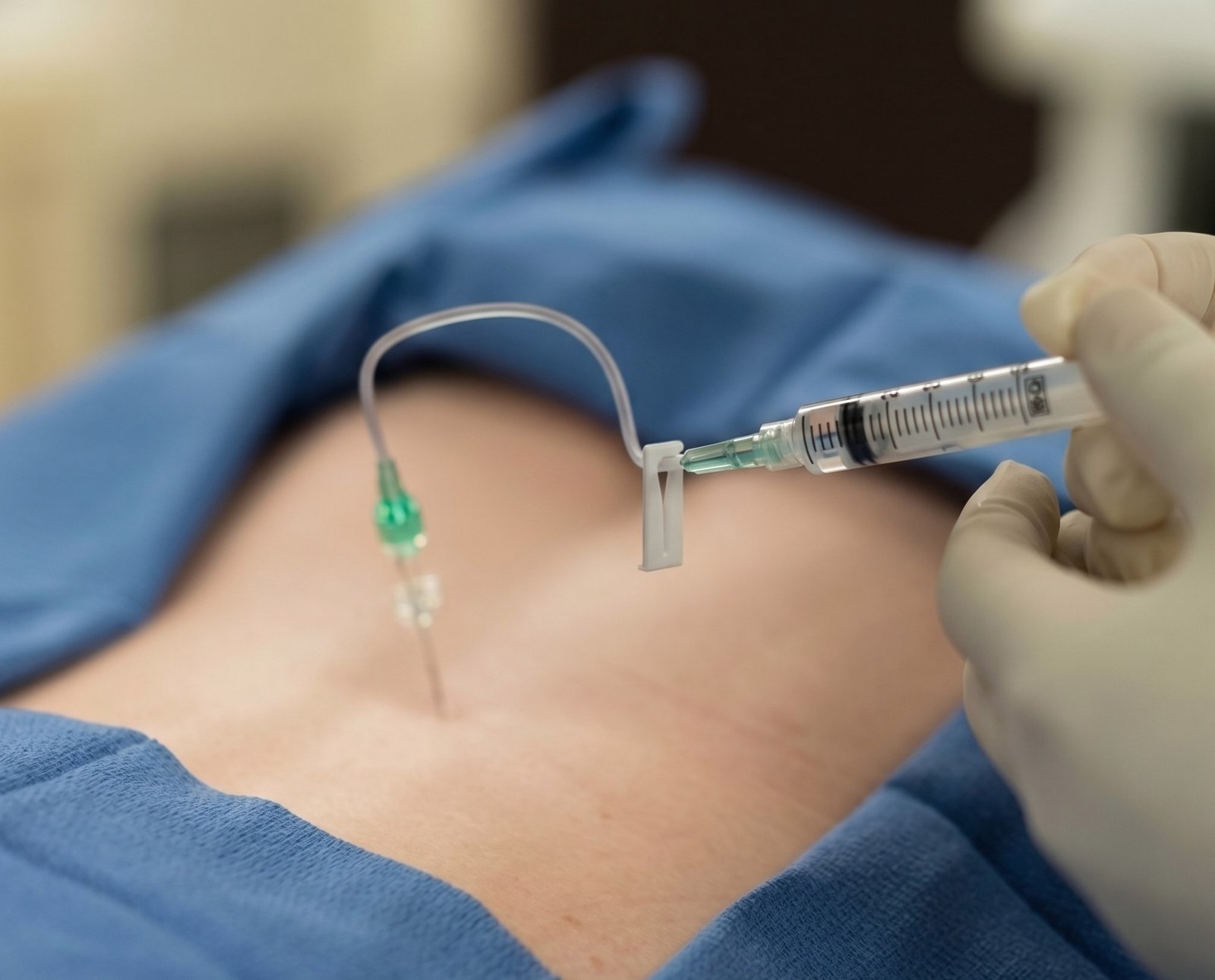 Acute Ischemia
Continuous Epidural Infusion
Fluoroscopy-guided placement of an ultra-fine lumbar epidural catheter delivering continuous micro-infusion of local anesthetic to break acute severe ischemic pain storms and maintain vasodilation.
- Instant pain relief during acute ischemic crisis
- Provides a bridge for vascular recovery
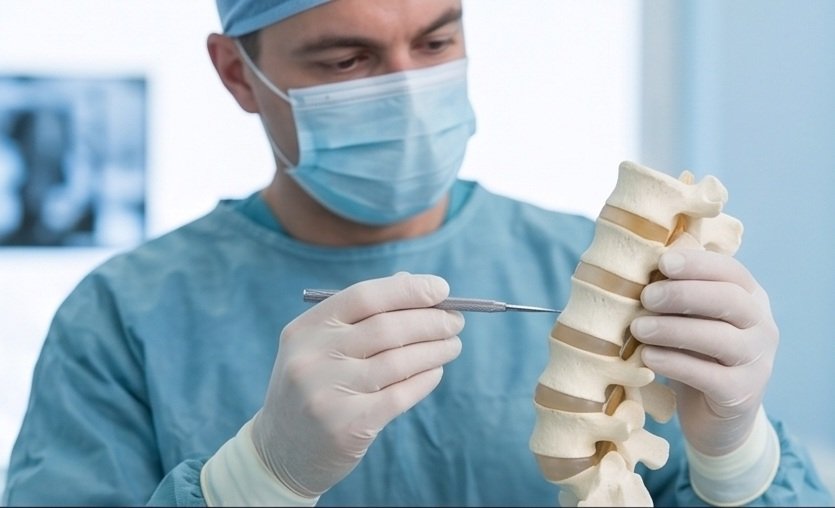 Ulcer Healing
Autologous PRP Angiogenic Biotherapy
High-concentration platelet-rich plasma gel and perilesional micro-injections loaded with PDGF and VEGF growth factors to stimulate granulation tissue in non-healing ischemic ulcers.
- Accelerates skin closure over ischemic ulcers
- 100% natural, derived from patient's own blood
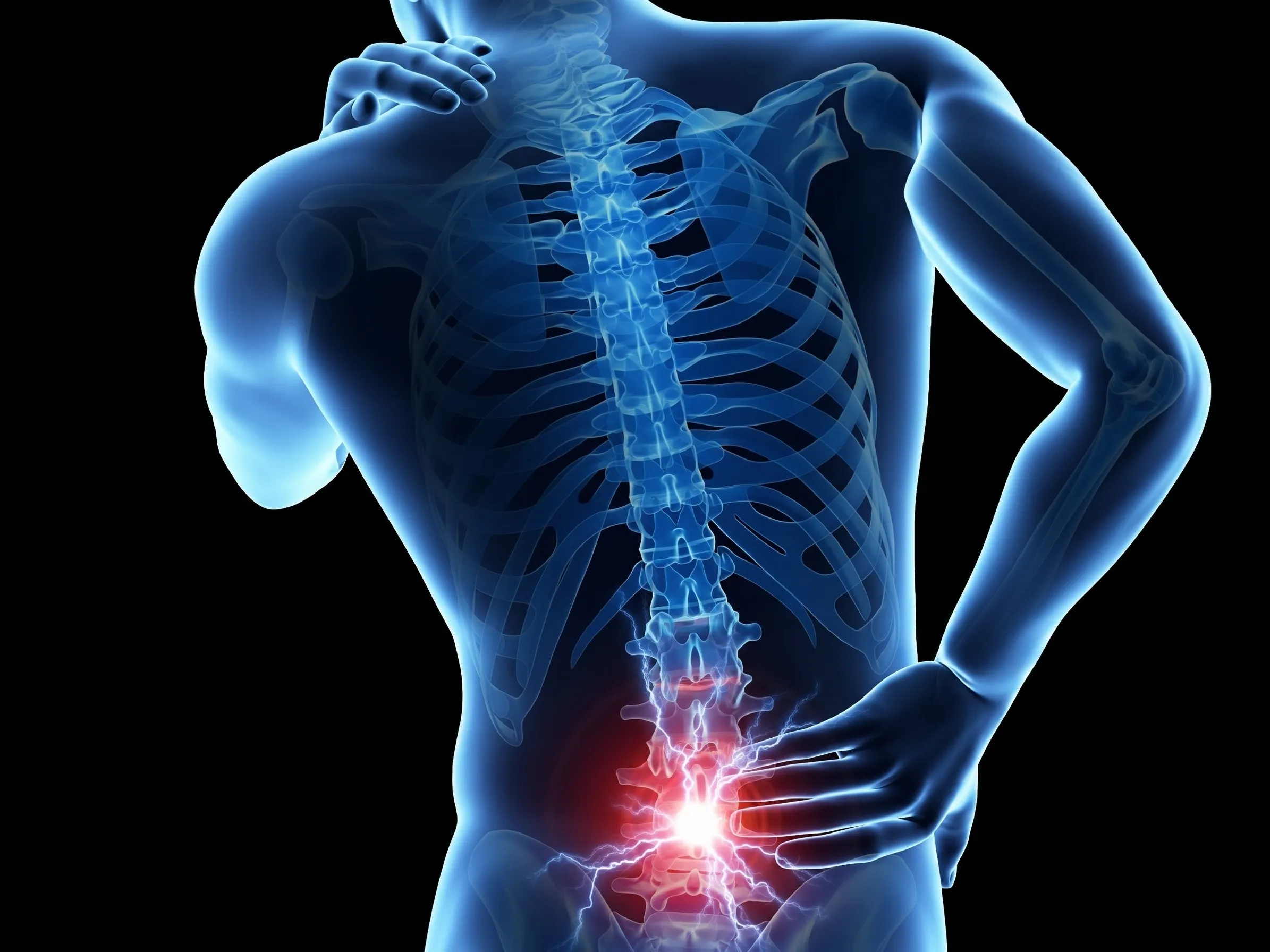 Permanent Neurolysis
Chemical Lumbar Sympathectomy
C-Arm contrast-confirmed injection of neurolytic phenol or absolute alcohol at L2/L3, creating permanent sympathectomy in patients with severe Buerger's disease who cannot undergo surgical bypass.
- Permanent cessation of vascular spasm
- Cost-effective alternative to surgical sympathectomy
High-Dose Opioids / Amputation vs. Interventional Sympathectomy
Why interventional procedures offer the highest chance of saving the limb and eliminating rest pain.
| Clinical Feature | Oral Painkillers & Amputation Inevitability | C-Arm Lumbar Sympathectomy RFA & SCS |
|---|---|---|
| Microvascular Perfusion | No improvement in blood flow; vasoconstriction worsens tissue death | Directly opens collateral arteries and increases foot temperature by 2–4°C |
| Limb Preservation | High risk of major below-knee or above-knee amputation | Saves natural limb by restoring tissue viability and collateral perfusion |
| Night Rest Pain Relief | Opioid tolerance requires higher doses with poor rest pain relief | Immediate cessation of rest pain; patient sleeps flat in bed |
| Ischemic Ulcer Healing | Ulcers continually enlarge and become infected due to lack of blood | Enhanced micro-circulation accelerates complete ulcer epithelialization |
| Hospital Stay | Prolonged hospitalization, phantom limb pain, and prosthetic costs | Daycare: 20-minute pinhole procedure under local anesthesia |
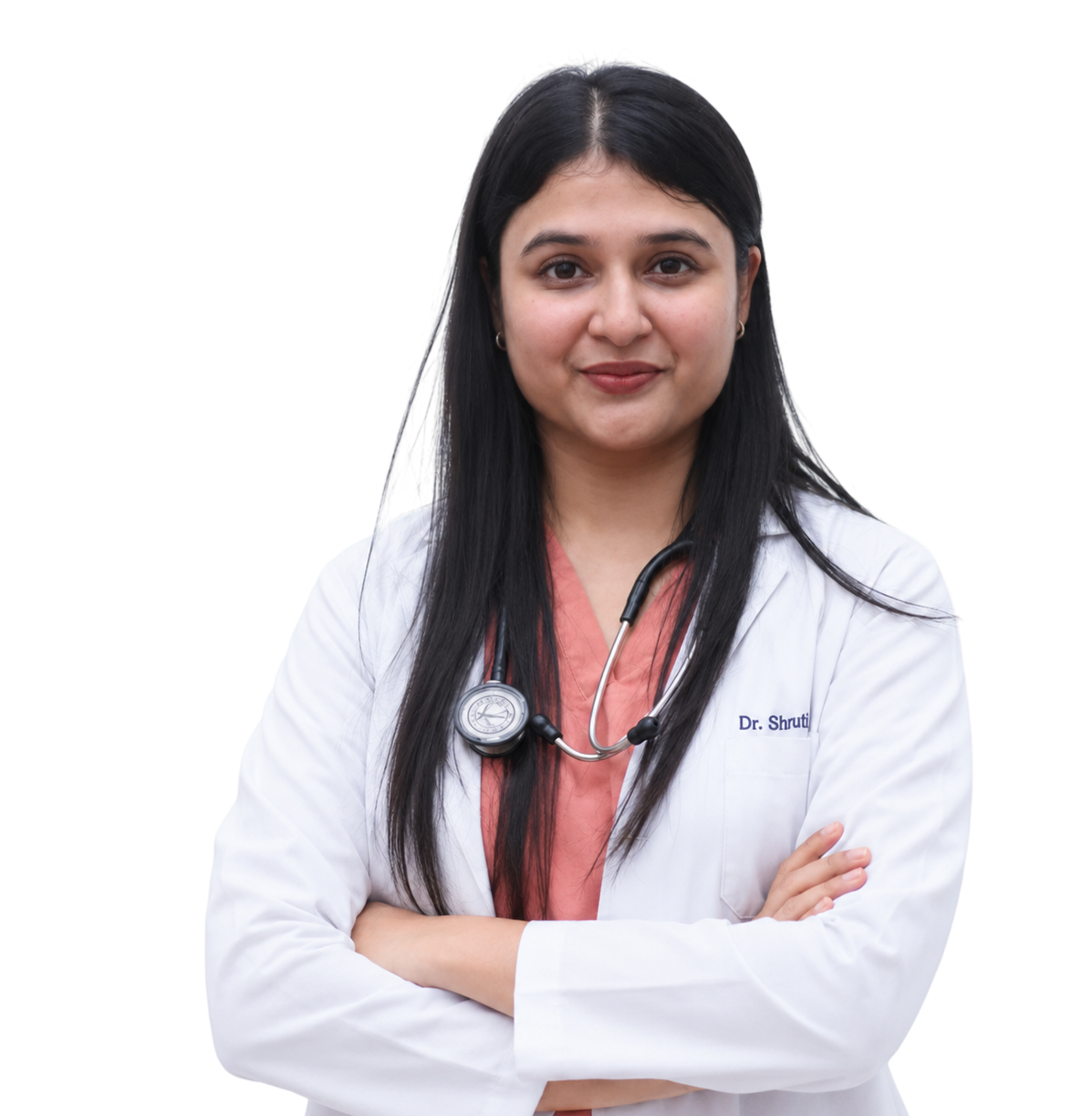
Dr. Shrutika Bhagat
MBBS, MD, FIRA, FIAPM | Interventional Pain & Spine Endoscopy
Dr. Shrutika Bhagat brings super-specialized training in full-endoscopic spine surgery and image-guided interventional pain management, having successfully treated thousands of patients with severe back pain, disc prolapse, sciatica, nerve compression, and joint arthritis in Patna.
Peripheral Vascular Pain FAQs
Clinical answers regarding Lumbar Sympathectomy, Buerger's disease, night rest pain, and limb preservation.

Don't Let Chronic Pain Control Your Life.
Take the first step toward understanding your pain and exploring modern, evidence-based minimally invasive relief with Dr. Shrutika Bhagat.