Back Pain Treatment in Patna
Precision non-surgical interventions, image-guided nerve blocks, radiofrequency ablation, and stitchless keyhole spine endoscopy by Dr. Shrutika Bhagat.
Understanding Chronic & Acute Back Pain
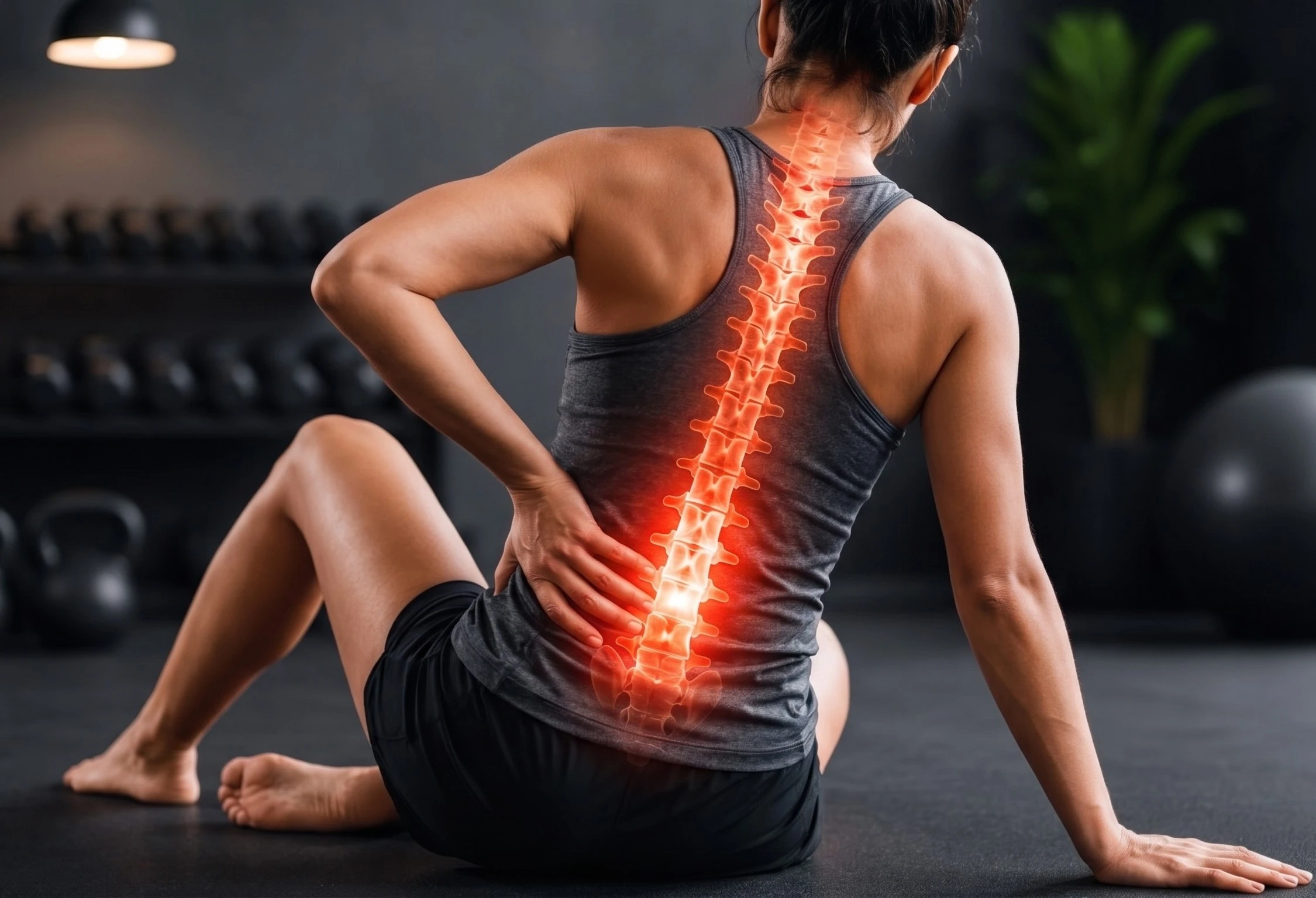
Lower Back Pain (Lumbago) is one of the leading causes of physical disability, workplace absenteeism, and reduced quality of life worldwide. The lumbar spine (L1 to S1) supports most of the body's upper weight while permitting twisting, bending, and flexion.
The lumbar column is a complex biomechanical structure comprising 5 vertebrae, shock-absorbing intervertebral discs, facet joints, spinal nerves, ligaments, and deep paraspinal muscles. When any of these components degenerates, tears, inflames, or compresses adjoining nerve roots, severe localized or radiating back pain ensues.
Rather than masking pain with temporary painkillers or jumping directly into risky open spine surgeries, Interventional Pain Medicine pinpoints the precise anatomical pain generator using C-arm fluoroscopy and ultrasound, neutralizing pain right at its source.
What is Causing Your Back Pain?
Effective treatment requires identifying the exact anatomical origin of your back pain.
Herniated / Slip Disc
Tear in the disc's outer annulus fibrosus causes the inner gel nucleus to protrude, compressing the spinal canal or the exiting nerve roots.
Facet Joint Arthritis
Wear and tear of the cartilage in the small joints connecting adjacent vertebrae. Causes localized stiffness that worsens upon bending backward or twisting.
Lumbar Spondylosis
Age-related degenerative changes in the spine including disc space narrowing, osteophytes (bone spurs), and spinal ligament thickening.
SI Joint Dysfunction
Inflammation or hypermobility in the joints connecting the spine to the pelvis. Frequently mimics sciatica or lumbar disc pain in the buttock and thigh.
Spinal Stenosis
Narrowing of the central spinal canal or neuroforamen, producing claudication, heaviness, and cramping in legs while walking or standing upright.
Myofascial Spasms
Persistent contraction of the quadratus lumborum, piriformis, or paraspinal muscles due to postural stress, heavy lifting, or underlying spinal instability.
Our Diagnostic Protocol
We combine hands-on clinical neurological examination with high-resolution radiology to identify the pain source.
Clinical Examination
SLR test, Patrick's FABER test, facet loading maneuvers, and localized neurological motor/sensory evaluations.
Dynamic X-Rays
Flexion and extension views to detect subtle spondylolisthesis (vertebral slipping), scoliosis, or dynamic spinal instability.
High-Field MRI Spine
Detailed visualization of intervertebral discs, nerve root compression, theca impingement, and bone marrow edema.
Diagnostic Test Block
Targeted local anesthetic wash on the suspected medial branch or nerve root to verify the primary pain generator with certainty.
Non-Surgical Treatments for Back Pain
Daycare, stitchless, and precision-guided pain procedures performed by Dr. Shrutika Bhagat.
 Targeted Nerve Relief
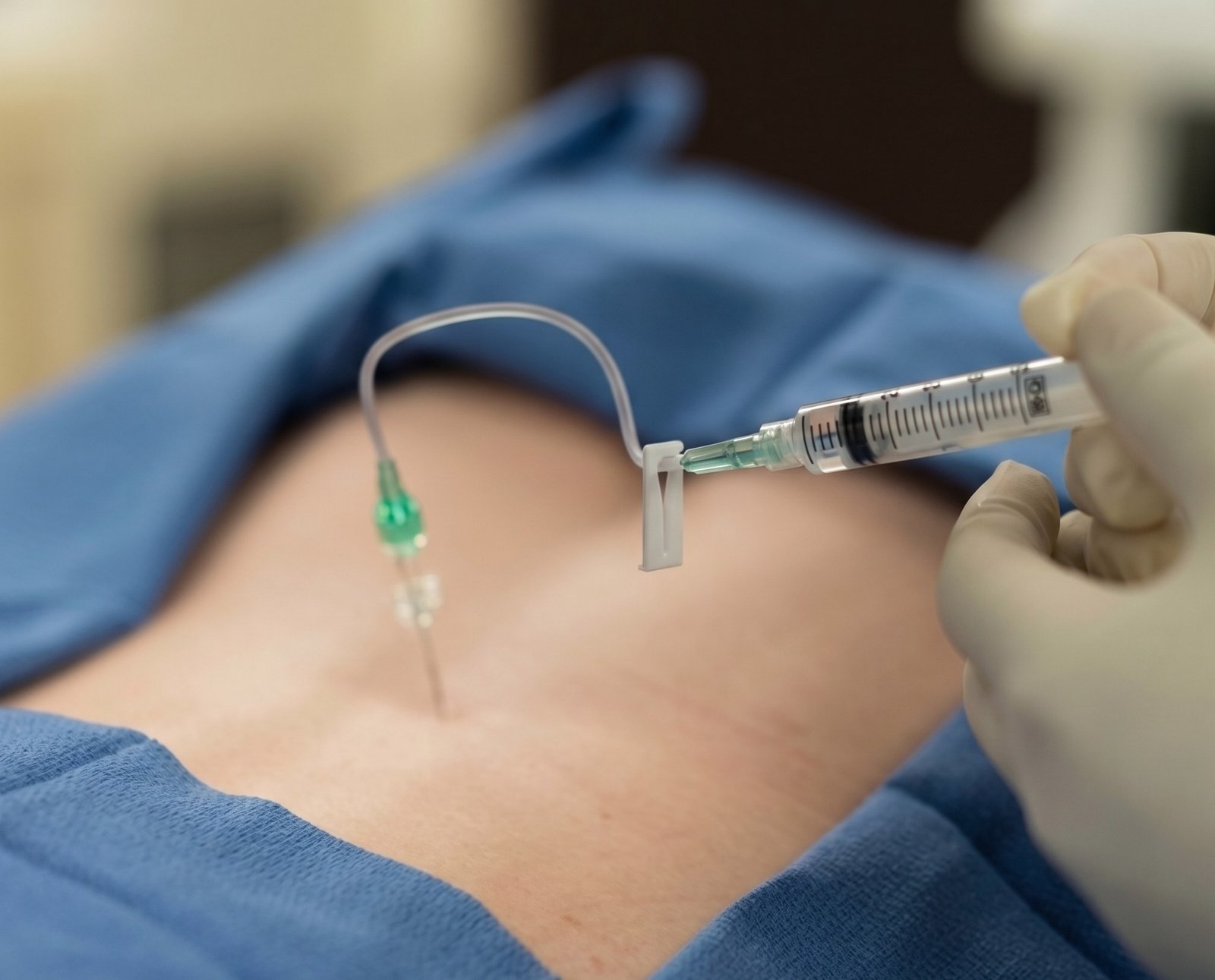
Transforaminal Epidural Injection
Targeted delivery of anti-inflammatory medications directly into the epidural space under C-arm fluoroscopy to calm inflamed spinal nerve roots.
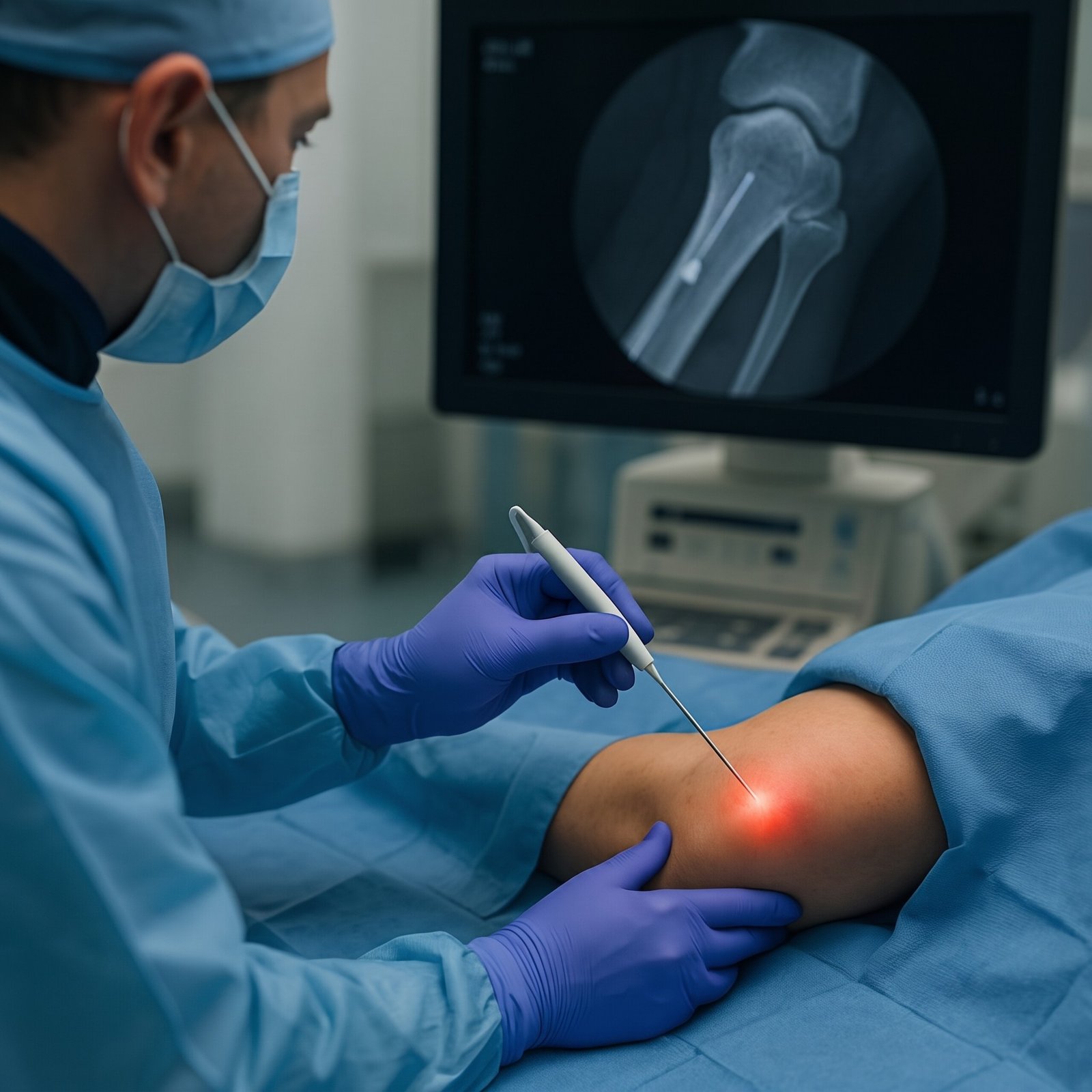 12–24 Months Relief
Radiofrequency Ablation (RFA)
Thermal neurotomy using high-frequency waves to desensitize the sensory medial branch nerves transmitting facet arthritis pain, providing long-lasting relief.
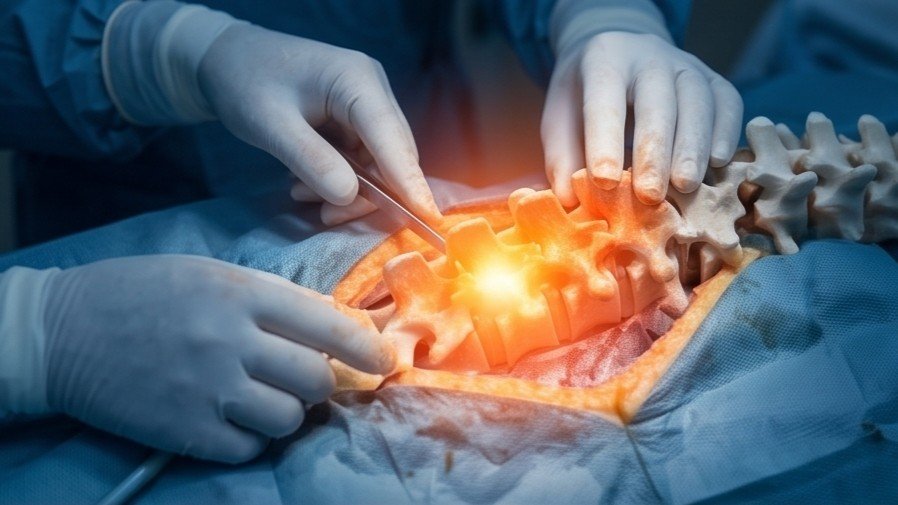 7–8mm Keyhole
Endoscopic Discectomy
Stitchless removal of extruded disc fragments through a 7-8mm tube under local anesthesia, completely sparing back muscles and bone architecture.
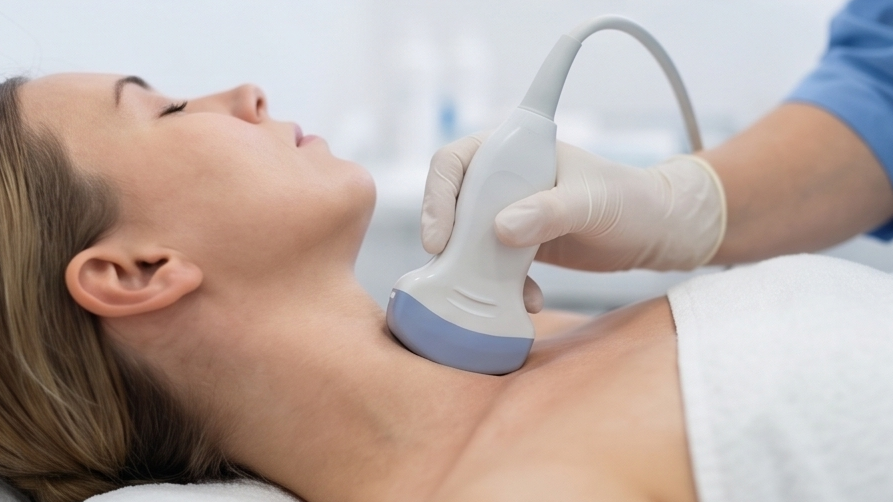 Buttock & Pelvic Pain
SI Joint Injections & RFA
Ultrasound/Fluoroscopy-guided therapeutic steroid injections or lateral branch radiofrequency denervation to resolve severe pelvic-spine junction pain.
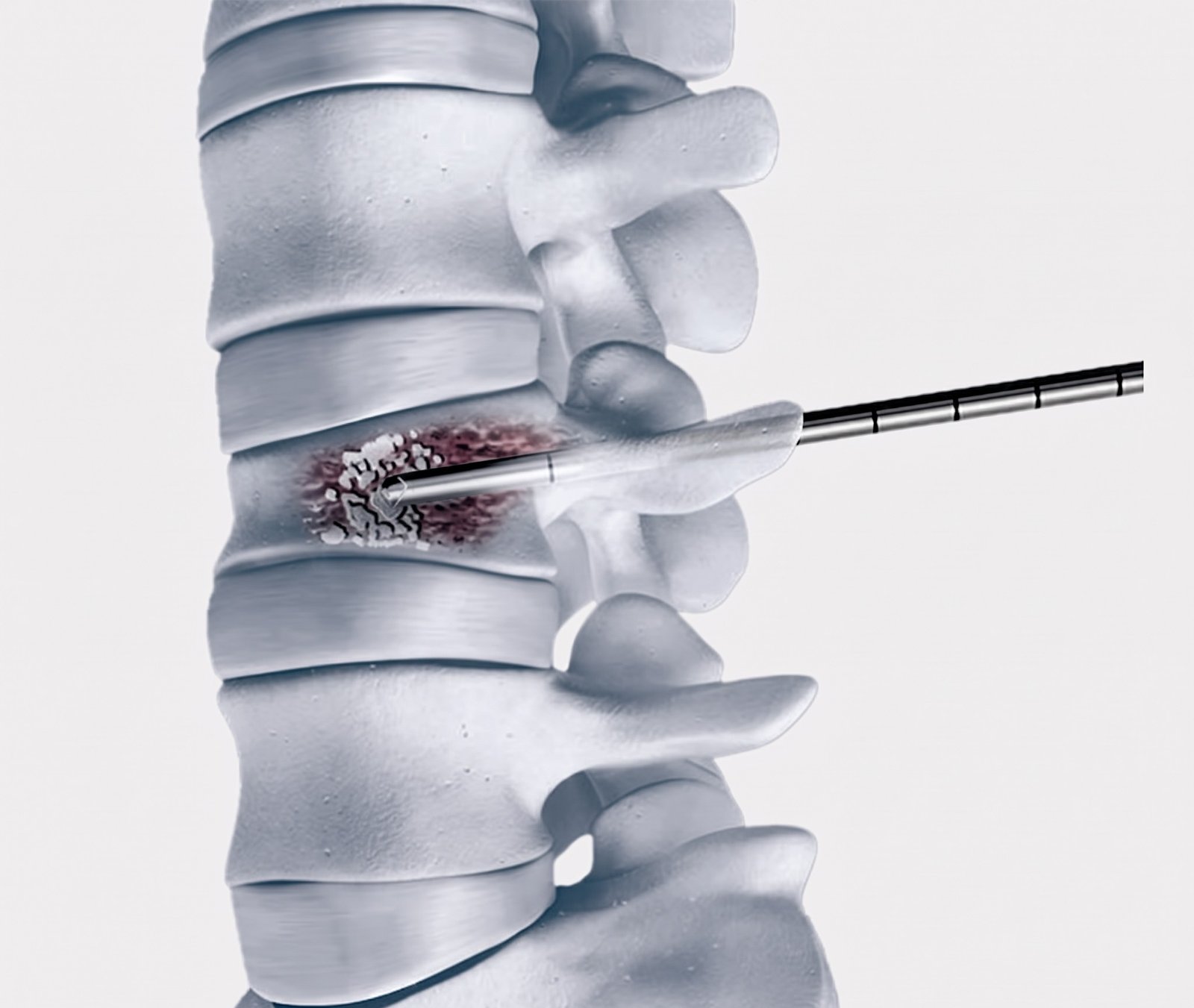 Osteoporosis Fracture
Percutaneous Vertebroplasty
Injecting medical-grade bone cement into collapsed osteoporotic vertebrae under local anesthesia for immediate stabilization and pain relief.
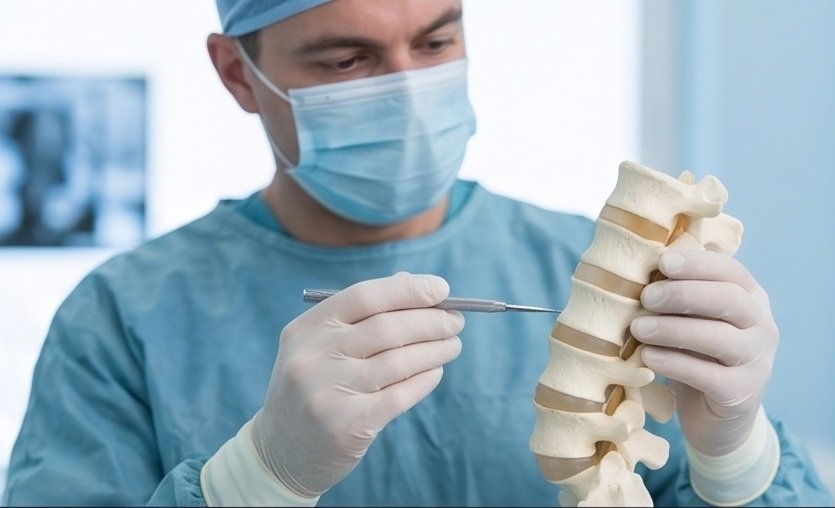 Natural Disc Repair
Spine PRP & Prolotherapy
Autologous platelet-rich plasma enriched with growth factors injected into damaged lumbar ligaments and annular tears to stimulate tissue healing.
Traditional Open Surgery vs. Interventional Spine Care
Why patients choose modern interventional pain procedures and keyhole spine endoscopy over open spinal fusion.
| Clinical Parameter | Interventional Pain / Endoscopy | Traditional Open Spine Surgery |
|---|---|---|
| Incision Size | Needle puncture or 7–8mm Keyhole | 75–120mm Open Cut |
| Anesthesia Type | Local Anesthesia (Conscious Sedation) | Full General Anesthesia |
| Muscle & Bone Cutting | Zero (Natural Anatomical Window) | Extensive Muscle Stripping & Laminectomy |
| Hospital Stay | Same-Day Discharge (2–4 Hours) | 3 to 7 Days Hospitalization |
| Metal Implants / Screws | None (Zero Hardware) | Pedicle Screws, Rods & Cages |
| Recovery Timeline | Resume Normal Life in 2–5 Days | 6 to 12 Weeks Strict Bedrest |

Dr. Shrutika Bhagat
MBBS, MD, FIRA, FIAPM | Interventional Pain & Spine Endoscopy
Dr. Shrutika Bhagat brings super-specialized training in full-endoscopic spine surgery and image-guided interventional pain management, having successfully treated thousands of patients with severe back pain, disc prolapse, sciatica, nerve compression, and joint arthritis in Patna.
Back Pain FAQs
Clear answers to common questions about back pain diagnosis, injections, and non-surgical procedures.
Don't Let Chronic Pain Control Your Life.
Take the first step toward understanding your pain and exploring modern, evidence-based minimally invasive relief with Dr. Shrutika Bhagat.