Shoulder Pain Treatment in Patna
Relief from rotator cuff tears, subacromial bursitis, and impingement through real-time ultrasound-guided nerve blocks, PRP biotherapy & hydrodissection without open surgery.
Understanding Chronic Shoulder Pain & Rotator Cuff Disorders
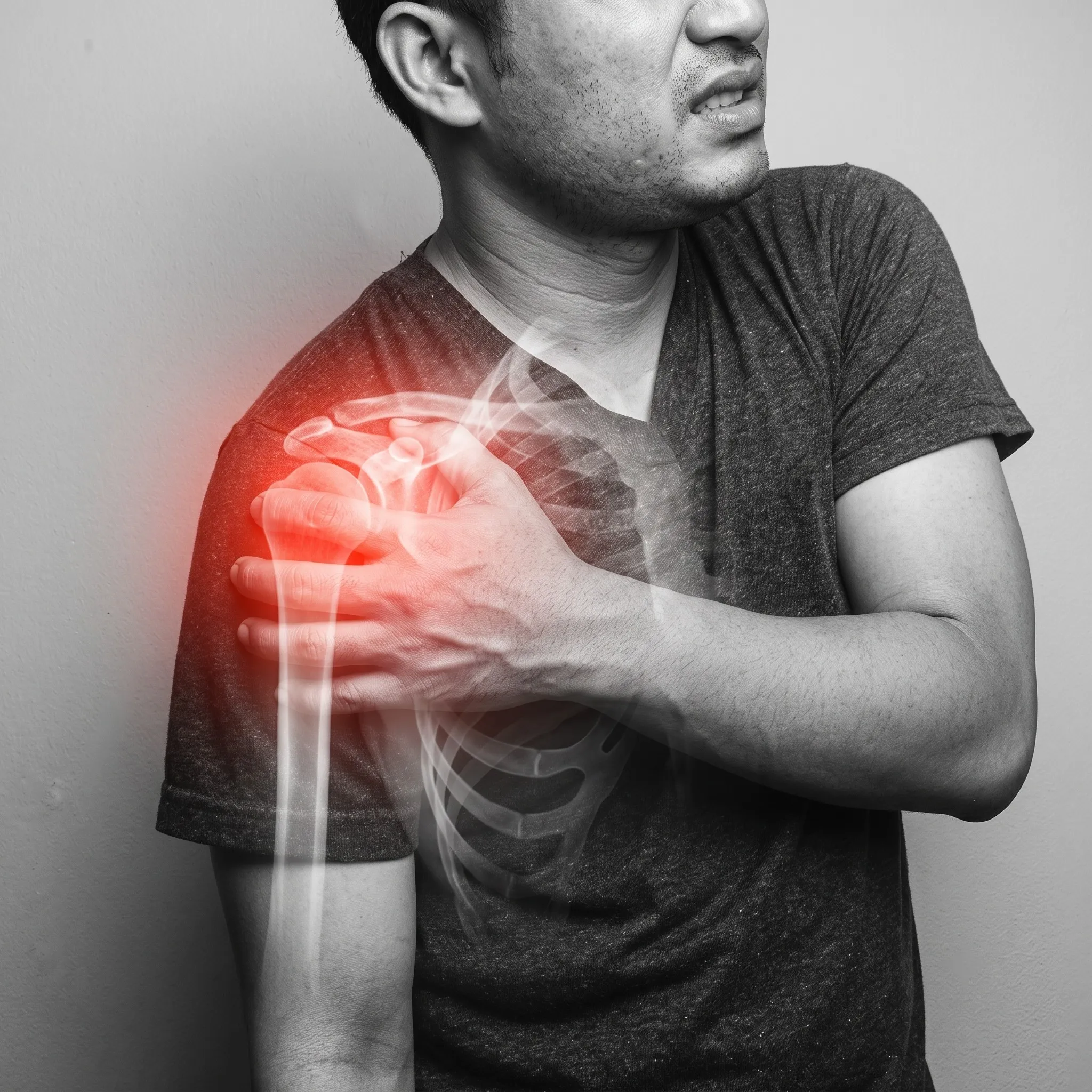
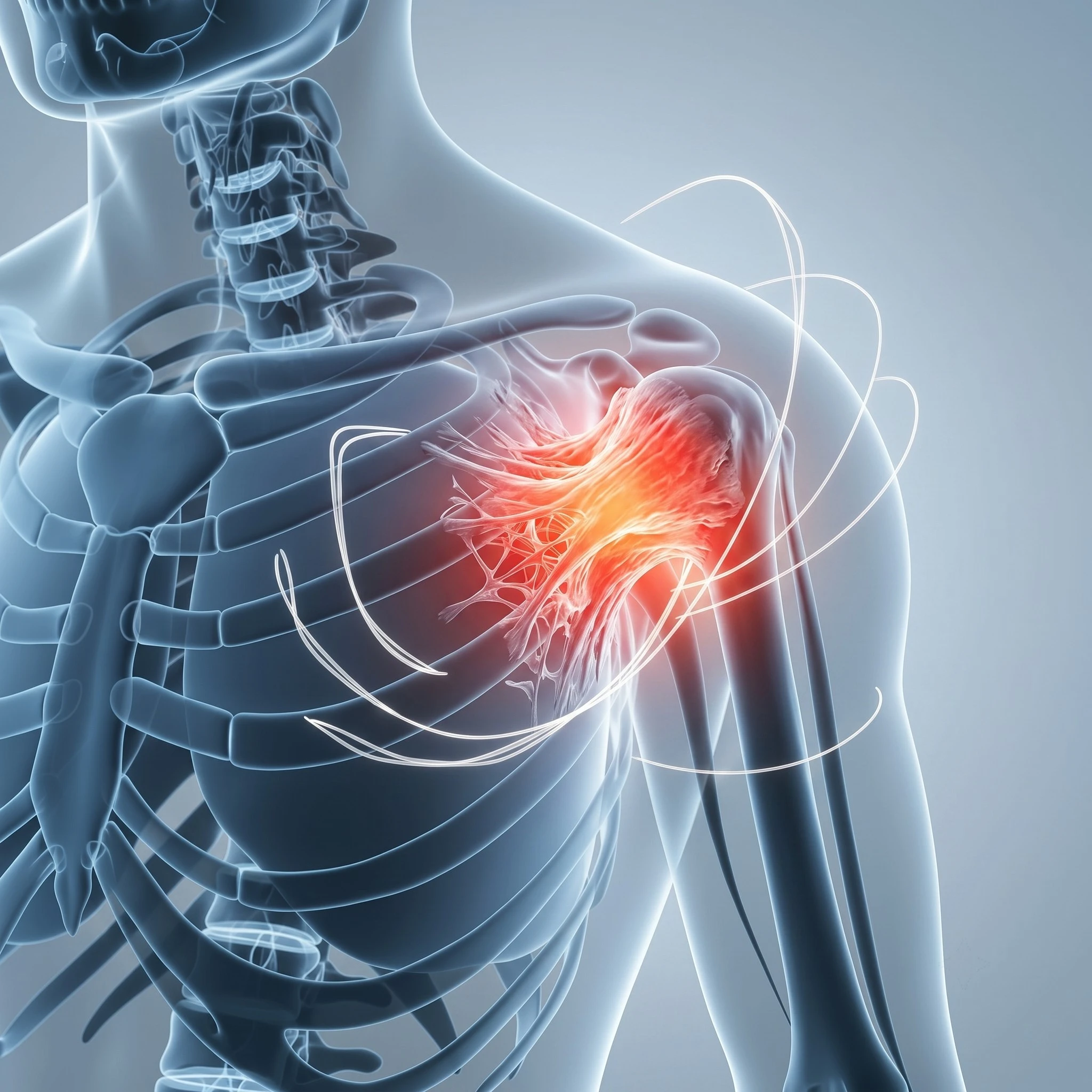
The Shoulder Joint (Glenohumeral joint) is a ball-and-socket mechanism engineered for maximum range of motion, supported by a specialized dynamic cuff of 4 muscles and tendons known as the Rotator Cuff (Supraspinatus, Infraspinatus, Teres Minor, and Subscapularis).
Due to its extreme flexibility, the shoulder is vulnerable to repetitive overhead strain, tendon micro-tears, subacromial bursa impingement beneath the acromion bone, and acromioclavicular (AC) joint arthrosis.
The majority of sensory pain signals from the shoulder joint capsule and subacromial bursa are carried by the Suprascapular Nerve and Axillary Nerve branches.
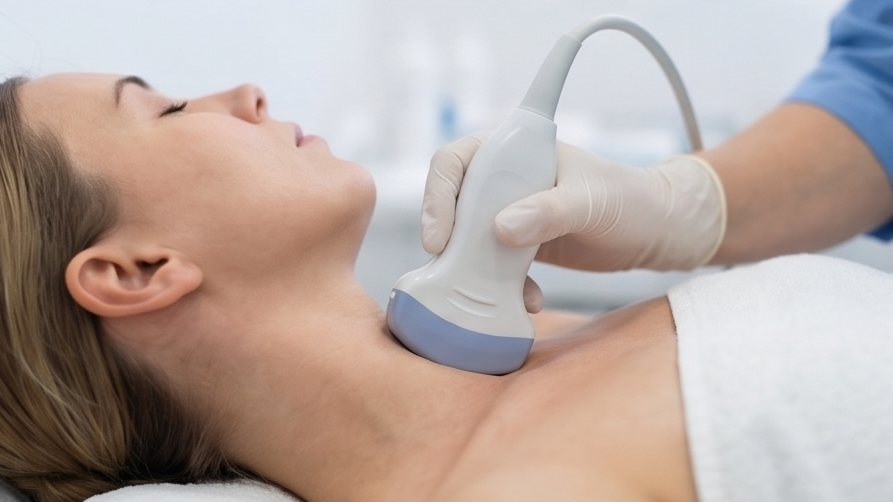
Dynamic High-Resolution Ultrasound allows real-time visualization of individual tendon fibers during arm motion, guiding precision needle delivery of Suprascapular Nerve Blocks and autologous Platelet-Rich Plasma (PRP) to heal tears naturally without open surgery.
Common Causes of Chronic Shoulder Pain
Pinpointing the exact anatomical structure responsible for overhead lifting pain and sleep disruption.
Rotator Cuff Tendinitis & Partial Tears
Degenerative wear and micro-tears in the supraspinatus tendon causing sharp pain when lifting the arm sideways between 60° and 120° (Painful Arc Sign).
Subacromial-Subdeltoid Bursitis
Inflammation and fluid buildup in the lubricating bursa cushion beneath the acromion bone, producing severe nocturnal throbbing pain when lying on that shoulder.
Acromioclavicular (AC) Joint Arthritis
Degenerative wear at the top collarbone-shoulder junction, producing pinpoint localized tenderness when reaching across the chest (Cross-Body Adduction test).
Our 4-Step Diagnostic Protocol for Shoulder Pain
Combining specialized orthopedic tests with dynamic high-resolution ultrasound imaging.
Rotator Cuff Exam
Neer's, Hawkins-Kennedy, Empty Can (Jobe's), and Speed's tests to isolate individual tendon pathology.
Digital X-Rays
True AP, axillary, and Scapular Y-views to identify acromial morphology (Type I, II, or III hooked spurs) and calcific deposits.
Dynamic Ultrasound
In-Clinic Gold Standard: Visualizes tendon fiber tears, bursa impingement, and biceps subluxation in real time.
3-Tesla Shoulder MRI
Measures full-thickness tendon retraction, fatty muscular atrophy, and glenoid labrum integrity.
Non-Surgical Interventions for Shoulder Pain
Performed under live ultrasound guidance by Dr. Shrutika Bhagat in Patna.
 Ultrasound-Guided
Suprascapular Nerve Block & PRF
Targeted nerve block or pulsed radiofrequency (PRF) neuromodulation at the suprascapular notch, interrupting 70% of shoulder pain signals for up to 12 months.
- Stops severe night pain and throbbing
- Enables comfortable overhead arm lifting
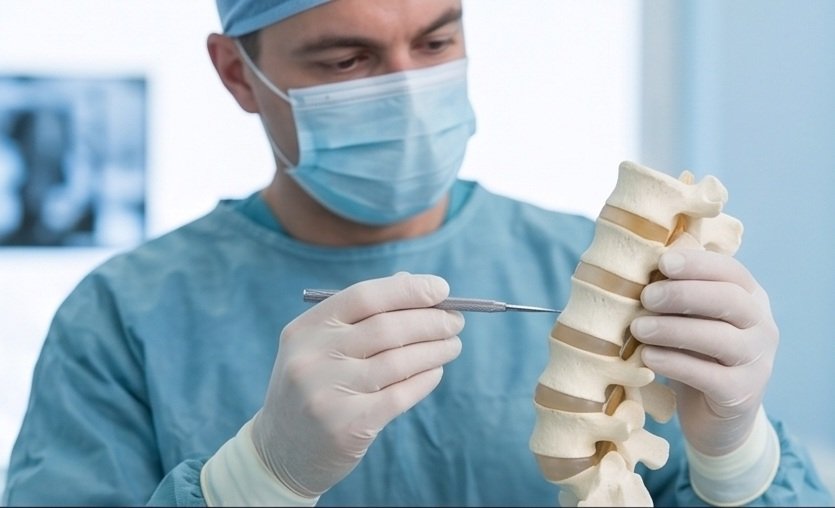 Tendon Regeneration
Autologous Rotator Cuff PRP
High-concentration autologous platelet growth factors injected under dynamic ultrasound directly into partial tendon tears and tendinopathy to stimulate intrinsic collagen repair.
- 100% natural, patient's own healing cells
- Heals tears without open surgery
Bursitis Wash
Subacromial Bursa Hydrodissection
Direct ultrasound-guided delivery of anti-inflammatory medication and gentle fluid separation of the subacromial-subdeltoid bursa to relieve painful impingement friction.
- Immediate relief from overhead catch
- Eliminates bursal swelling and friction
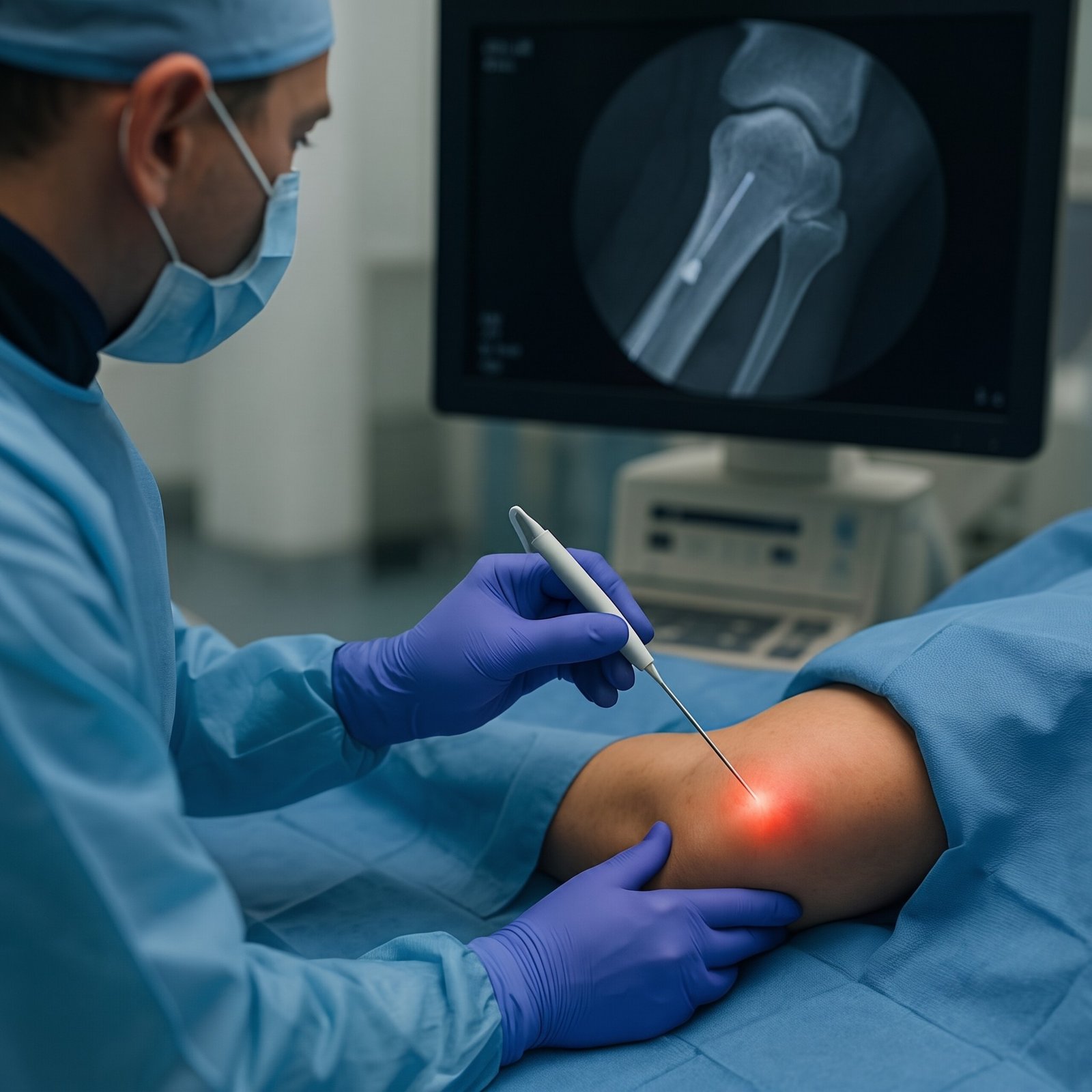 Targeted Injection
AC Joint Injections & Denervation
Ultrasound-guided injection or thermal denervation of the lateral pectoral nerves supplying the arthritic acromioclavicular collarbone joint.
- Stops cross-body reaching pain
- Calms localized collarbone arthritis
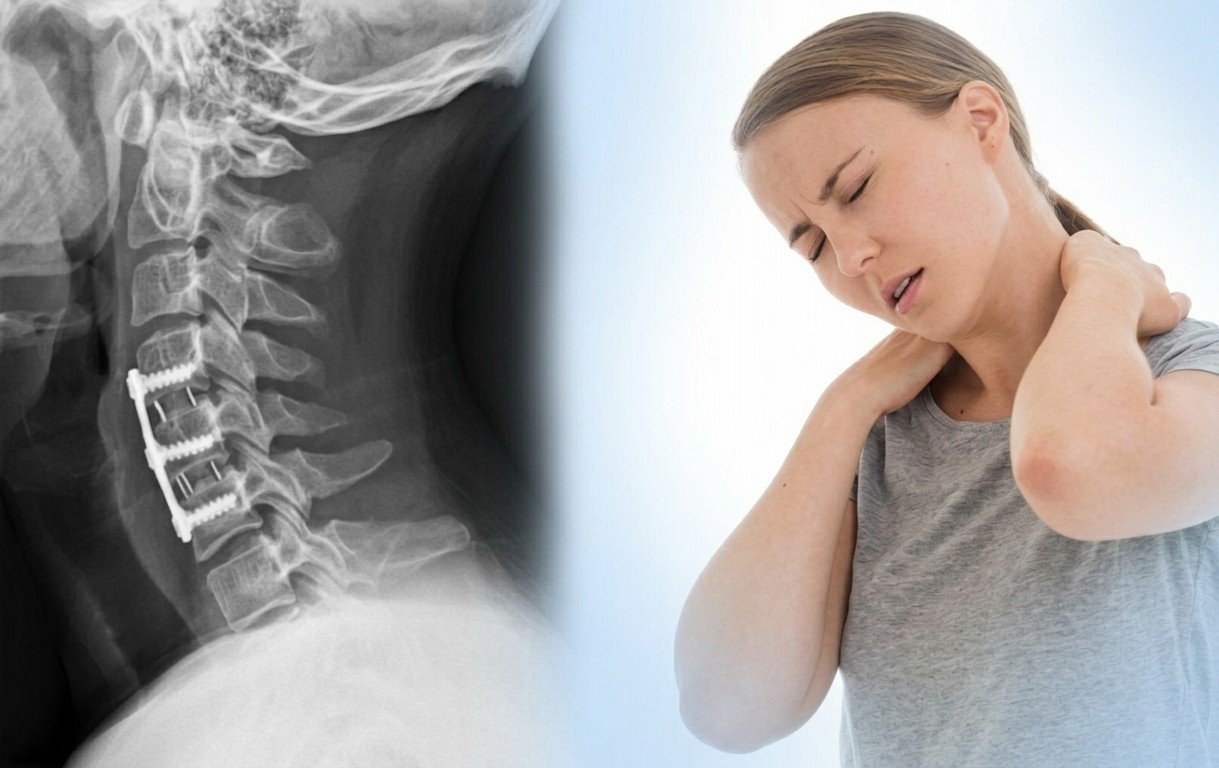 Tendon Sheath
Biceps Tendon Sheath Hydrodissection
Precision ultrasound-guided release of fluid effusion and tenosynovitis around the long head of the biceps tendon inside the bicipital groove.
- Eliminates anterior front-shoulder ache
- Restores arm pulling and lifting power
 Rehabilitation
Scapular Biomechanical Rehab
Targeted serratus anterior and lower trapezius strengthening to optimize scapulohumeral rhythm and expand subacromial space during overhead arm elevation.
- Corrects poor posture & rounded shoulders
- Prevents recurrent rotator cuff impingement
Open Shoulder Surgery vs. Daycare Ultrasound Interventions
Why non-surgical regenerative care is the preferred choice for rotator cuff tears and impingement.
| Clinical Feature | Open / Arthroscopic Shoulder Surgery | Daycare Ultrasound Interventions & PRP |
|---|---|---|
| Anesthesia Required | General Anesthesia + Interscalene Block | Local Anesthesia only (Fully conscious & safe) |
| Incision & Anchors | Surgical incisions with titanium/plastic suture anchors | Pinhole needle entry (Zero anchors or stitches) |
| Arm Immobilization Sling | 4 to 6 weeks of strict sling immobilization (Risk of stiffness) | Immediate gentle active range of motion preserved |
| Recovery Timeline | 6 to 9 months of intensive rehabilitation | Resume normal daily routine within 2 to 5 days |
| Hospital Stay | 2 to 4 days hospital admission | Daycare: Discharged within 1 to 2 hours |
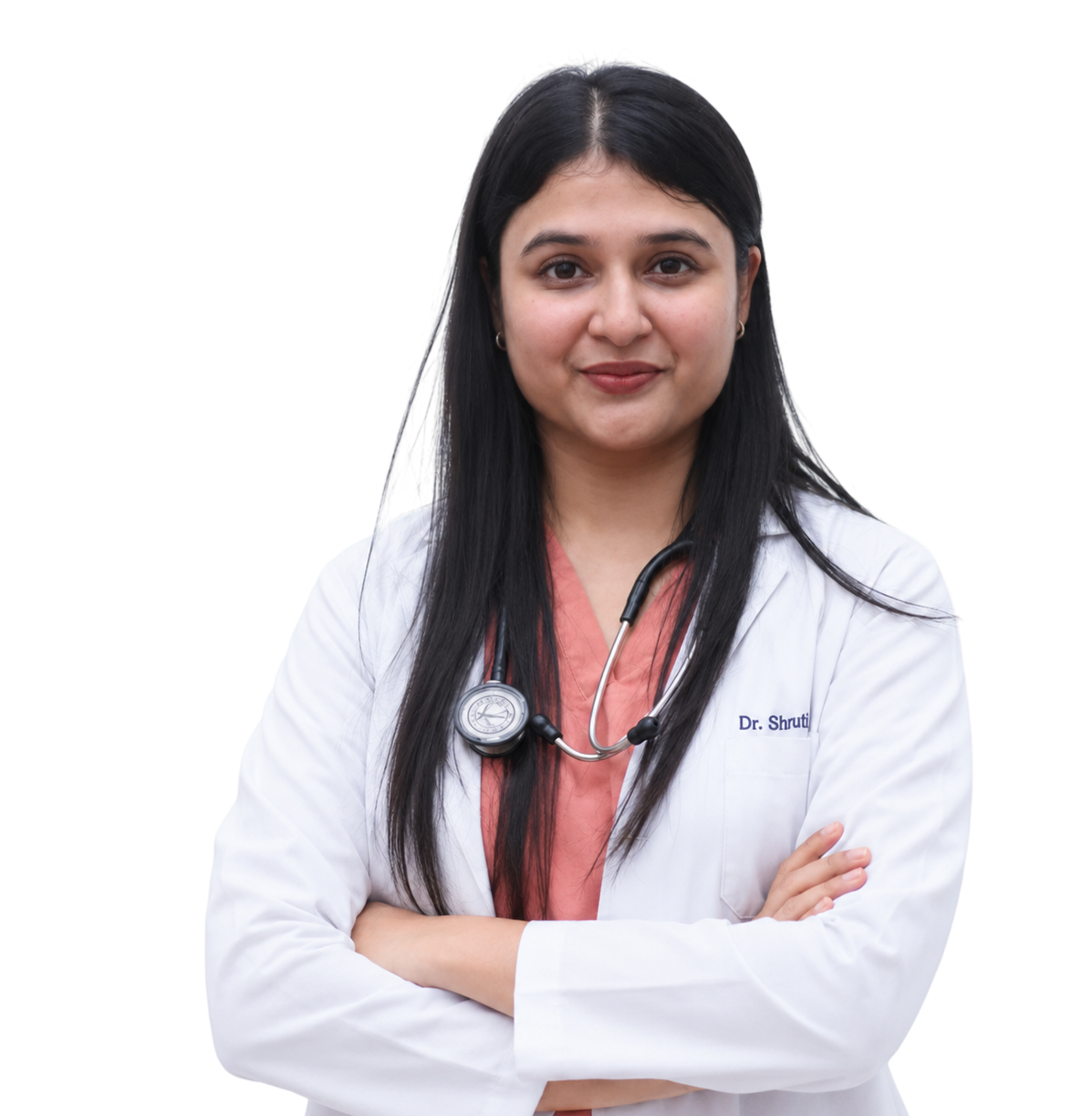
Dr. Shrutika Bhagat
MBBS, MD, FIRA, FIAPM | Interventional Pain & Spine Endoscopy
Dr. Shrutika Bhagat brings super-specialized training in full-endoscopic spine surgery and image-guided interventional pain management, having successfully treated thousands of patients with severe back pain, disc prolapse, sciatica, nerve compression, and joint arthritis in Patna.
Shoulder Pain FAQs
Clinical answers regarding rotator cuff tears, suprascapular nerve blocks, PRP therapy, and non-surgical healing.
Don't Let Chronic Pain Control Your Life.
Take the first step toward understanding your pain and exploring modern, evidence-based minimally invasive relief with Dr. Shrutika Bhagat.