
Sphenopalatine Ganglion (SPG) Block in Patna
Breakthrough autonomic nerve block & pulsed radiofrequency for chronic migraines, cluster headaches, and atypical facial pain with rapid, long-lasting relief.
Reset Cranial Autonomic Pain Pathways
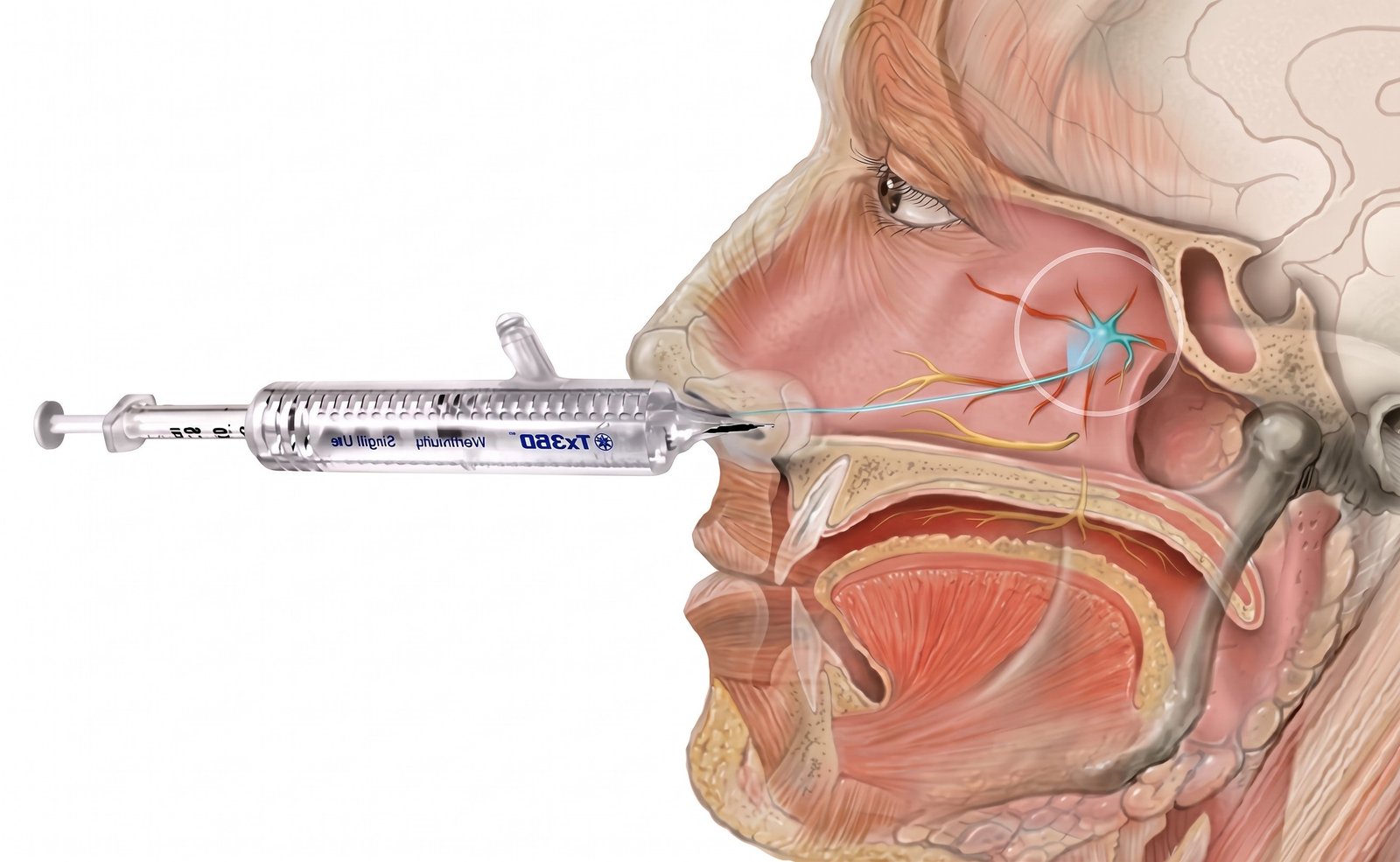
The Sphenopalatine Ganglion (SPG) (also called the Pterygopalatine Ganglion) is a major nerve junction located deep in the face behind the nasal cavity. It serves as the central switching hub for parasympathetic, sympathetic, and sensory nerve signals traveling to the head, eyes, temples, forehead, and cerebral blood vessels.
When the SPG becomes chronically hyperactive, it triggers severe neurogenic vasodilation and releases inflammatory neuropeptides, causing the excruciating throbbing of Chronic Migraines and the piercing, agonizing retro-orbital attacks of Cluster Headaches (often called "suicide headaches") accompanied by eye redness, tearing, and nasal congestion.
Dr. Shrutika Bhagat performs advanced SPG blocks using gentle transnasal micro-applicators or precision fluoroscopy-guided needle placement. By delivering targeted local numbing medications or applying Pulsed Radiofrequency (PRF) waves to the ganglion, the hyperactive pain loop is instantly interrupted—providing dramatic cessation of acute attacks and long-term reduction in headache frequency without opioid medication.
Who is a Candidate for an SPG Block?
Indicated for patients suffering from refractory headache and facial pain disorders that fail standard oral medication.
Chronic Refractory Migraines
Severe throbbing one-sided headaches occurring ≥15 days per month with nausea, vomiting, photophobia, and sound sensitivity.
Cluster Headaches ("Suicide Headaches")
Excruciating, piercing pain concentrated behind one eye and temple, accompanied by eye redness, tearing, droopy eyelid, and nasal stuffiness.
Sluder's Neuralgia & Atypical Facial Pain
Deep aching, burning pain in the mid-face, upper jaw, palate, and root of the nose not explained by dental or sinus pathology.
Medication Overuse Headaches (MOH)
Rebound headaches caused by daily painkillers, triptans, or combination analgesics, successfully detoxified using SPG blocks.
Trigeminal Autonomic Cephalalgias (TACs)
Paroxysmal hemicrania and SUNCT/SUNA syndrome producing frequent sharp cranial autonomic pain bursts throughout the day.
Head & Neck Cancer Pain
Severe intractable pain from tongue, throat, nasopharyngeal, or sinus tumors, effectively alleviated with neurolytic SPG blocks.
SPG Ganglion Block vs. Heavy Daily Medications
| Clinical Parameter | SPG Ganglion Block & PRF | Daily Painkillers & Triptan Pills |
|---|---|---|
| Speed of Onset | 5 to 10 minutes (Direct autonomic reset) | 45 to 90 minutes (Slow gastrointestinal absorption) |
| Rebound / MOH Risk | Zero (Non-pharmacological nerve calming) | High risk of daily Medication Overuse Headaches |
| Systemic Side Effects | None (No gastric, liver, or kidney toxicity) | Stomach ulcers, cardiac vasoconstriction, drowsiness |
| Duration of Benefit | Weeks to months (12–24 months with PRF) | 4 to 8 hours per pill |
| Autonomic Symptoms | Directly stops eye tearing & nasal congestion | Fails to resolve parasympathetic eye/nasal symptoms |
How an SPG Block is Performed
Clinical Evaluation
Dr. Shrutika Bhagat evaluates headache frequency, unilateral triggers, and autonomic symptoms (tearing, rhinorrhea, eye redness).
Nasal Mucosal Anesthesia
A gentle anesthetic spray numbs the nasal passages to ensure complete comfort throughout the procedure.
Transnasal / C-Arm Navigation
A flexible micro-catheter or fluoroscopy-guided needle is placed accurately into the pterygopalatine fossa over the ganglion.
Targeted Medication Delivery
Long-acting local anesthetic and anti-inflammatory solution bathes the SPG, blocking parasympathetic headache outflow.
Optional Pulsed Radiofrequency
For chronic patients, 42°C pulsed radiofrequency electromagnetic waves are applied to reset long-term neural excitability.
Immediate Relief & Home
The patient rests for 15 minutes. Acute head pain dissolves rapidly, and the patient returns home with immediate symptom relief.
SPG Ganglion Modalities Offered in Patna
Needleless Mucosal Block
Gentle micro-applicator placed through the nostril without needles—ideal for quick in-clinic migraine termination.
Fluoroscopic Infratemporal Block
Millimeter-precise lateral approach into the pterygopalatine fossa for refractory cluster headache clusters.
SPG Pulsed Radiofrequency
Targeted non-destructive radiofrequency neuromodulation providing 12 to 24 months of headache remission.
Chemical Neurolytic Block
Targeted alcohol/phenol neurolysis for intractable facial cancer pain and terminal head/neck malignancies.
Common Questions on SPG Ganglion Blocks
Why Choose Dr. Shrutika for SPG Nerve Block in Patna
- Rapid Headache Interruption: Resets hyperactive autonomic parasympathetic cranial pain pathways within 10 to 15 minutes.
- Zero-Needle Transnasal Applicator: Gentle mucosal delivery using micro-catheter applicators without sharp needles or surgical cutting.
- Reduces Heavy Medication Use: Ends dependence on high-dose triptans, opioids, and daily painkillers that cause rebound analgesic headaches.
- Comfortable 10-Minute Clinic Procedure: Quick, peaceful clinic intervention with immediate walk-in, walk-out convenience.
- Effective for Migraine & Cluster Headaches: Targeted relief for trigeminal autonomic cephalalgias, atypical facial pain, and chronic tension headaches.
- Super-Specialized Pain Management: Expert physician diagnosis ensuring personalized preventive and acute headache relief protocols.

Don't Let Chronic Pain Control Your Life.
Take the first step toward understanding your pain and exploring modern, evidence-based minimally invasive relief with Dr. Shrutika Bhagat.