Tailbone Pain Treatment in Patna
Relief from chronic sitting pain, post-fall coccyx trauma, and coccydynia through precision C-Arm guided Ganglion Impar nerve block, PRF & PRP biotherapy without surgical coccyx removal.
Understanding Tailbone Pain (Coccydynia)
The Coccyx (Tailbone) is a small, triangular segment of 3 to 5 fused or semi-mobile vertebrae at the very base of the spinal column. It serves as an anchor for pelvic floor muscles (Levator Ani), the sacrococcygeal ligaments, and the gluteus maximus, forming a stable tripod of weight support when sitting.
Coccydynia presents as severe aching, burning, or sharp pain localized around the tailbone, worsening sharply when sitting on hard chairs, leaning backward, driving, or rising to stand. Common triggers include a backward fall directly onto the buttocks, childbirth pressure, pelvic ligament laxity, or a hypermobile/rigid coccygeal bone spicule.
Sympathetic pain signals from the coccyx, perineum, and pelvic floor are funneled through a solitary terminal nerve cluster located in front of the sacrococcygeal junction called the Ganglion of Impar (Walther's Ganglion).
C-Arm Fluoroscopy-Guided Ganglion Impar Block & PRF provides rapid, profound relief by desensitizing these sympathetic pain pathways in a gentle 10-minute daycare procedure—eliminating the need for surgical tailbone removal (coccygectomy).
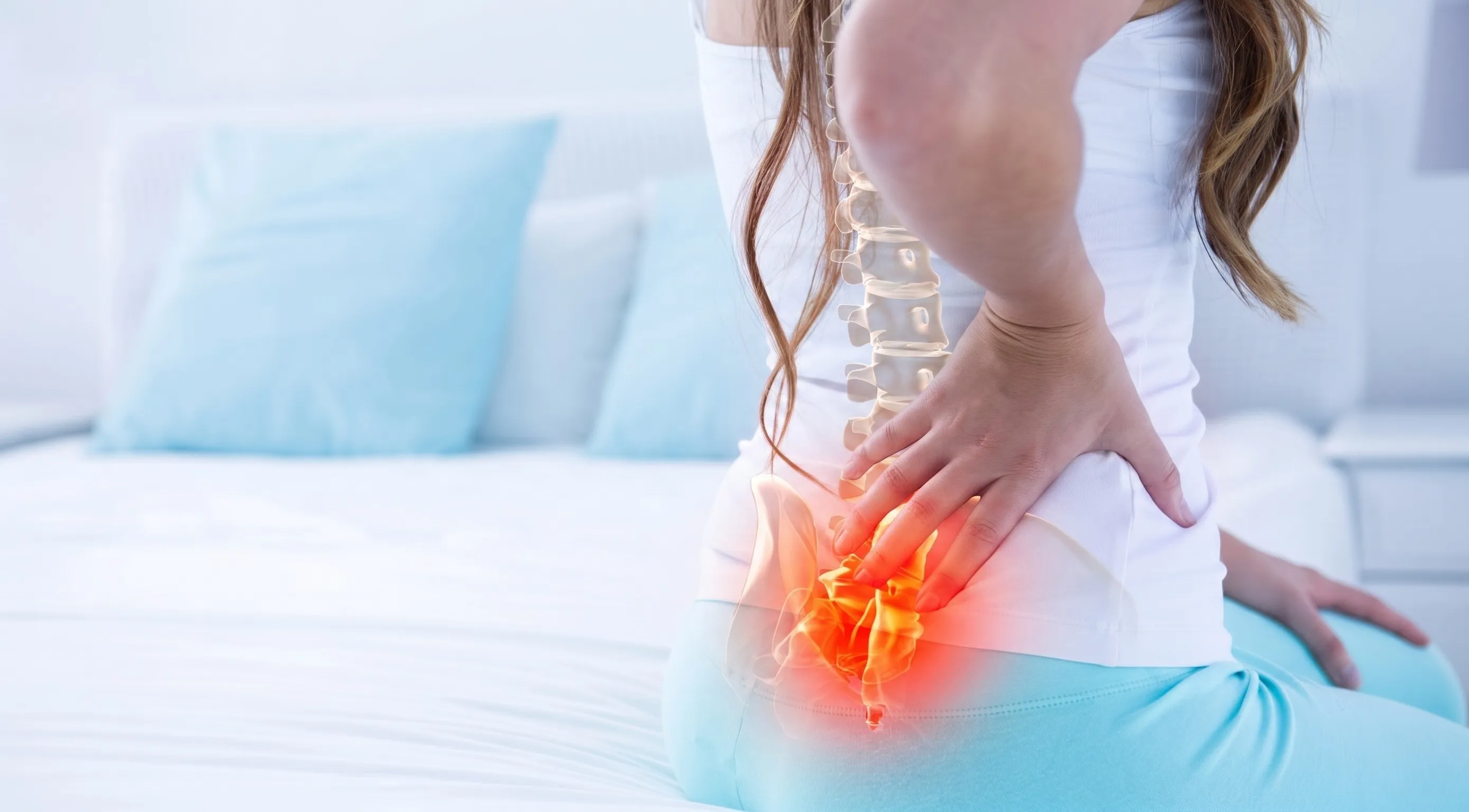
Clinical Presentation of Coccydynia
Tailbone pain produces specific posture-dependent distress that severely impairs office work, driving, and sitting.
Severe Pain on Sitting & Leaning Back
Sharp or deep throbbing pain directly between the buttock cleft when sitting on hard chairs or leaning backward in soft couches.
Pain on Rising from a Chair
An agonizing catch or pulling pain at the base of the spine as pelvic floor muscles contract during the transition from sitting to standing.
Perineal & Defecation Discomfort
Referred pain into the pelvic floor, perineum, and pain during bowel movements due to hypertonic spasm of the Levator Ani muscle.
Our 4-Step Diagnostic Protocol for Tailbone Pain
Combining dynamic functional imaging with clinical palpation to identify the exact cause of coccydynia.
Coccygeal Palpation
External and internal bimanual examination to assess coccyx mobility, localized tip tenderness, and levator ani spasm.
Dynamic Sitting X-Rays
Gold Standard: Comparing standing vs sitting lateral X-rays to detect hypermobility (>25° flexion) or subluxation.
High-Resolution MRI
Evaluates sacrococcygeal disc inflammation, bone marrow edema, adventitious bursitis, and ruling out pilonidal cysts.
Diagnostic Test Block
Fluoroscopy-guided Ganglion of Impar test injection. Immediate >80% relief while sitting confirms nerve block success.
Non-Surgical Interventions for Tailbone Pain
Targeted daycare procedures performed under live fluoroscopic C-Arm guidance by Dr. Shrutika Bhagat in Patna.
Gold Standard
Ganglion of Impar Block & PRF
Under live C-Arm fluoroscopy with contrast confirmation, a fine needle delivers anti-inflammatory medication or pulsed radiofrequency (PRF) to the Ganglion of Impar, interrupting sympathetic pain transmission instantly.
- Immediate relief from sitting and rising pain
- 10-minute daycare procedure with zero downtime
 Biologic Repair
Autologous Sacrococcygeal PRP
Platelet-rich plasma growth factors injected into lax sacrococcygeal and sacrotuberous ligaments to heal post-traumatic sprains, reinforce collagen tissue, and stabilize a hypermobile coccyx.
- 100% natural, patient's own healing factors
- Restores ligamentous stability after falls
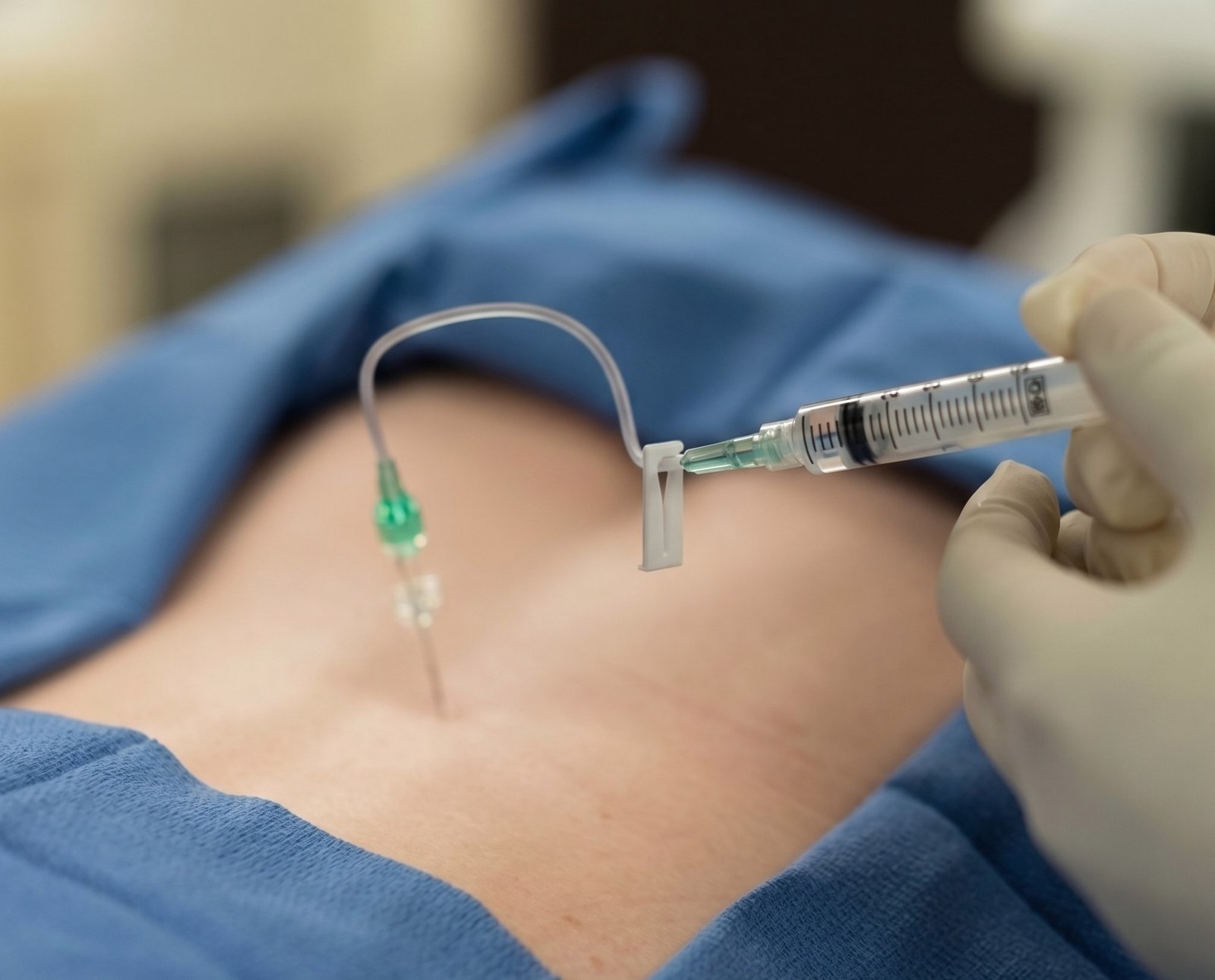 Targeted Injection
Sacrococcygeal Joint Injections
Sub-millimeter C-Arm guided injection directly into the sacrococcygeal or intercoccygeal joint disc space to extinguish acute synovitis and inflammatory arthritis.
- Calms localized joint disc inflammation
- Fast relief from sharp touch sensitivity
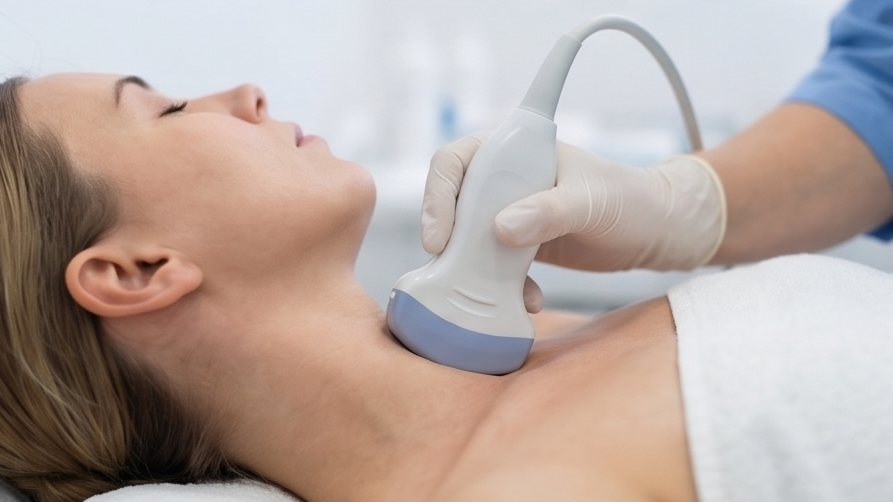 Pelvic Floor
Pudendal Nerve Block
Ultrasound-guided targeted nerve block at the ischial spine level to relieve accompanying pelvic floor muscle spasms (levator ani syndrome) and perineal pain.
- Stops shooting perineal & rectal spasms
- Relieves pain during bowel movements
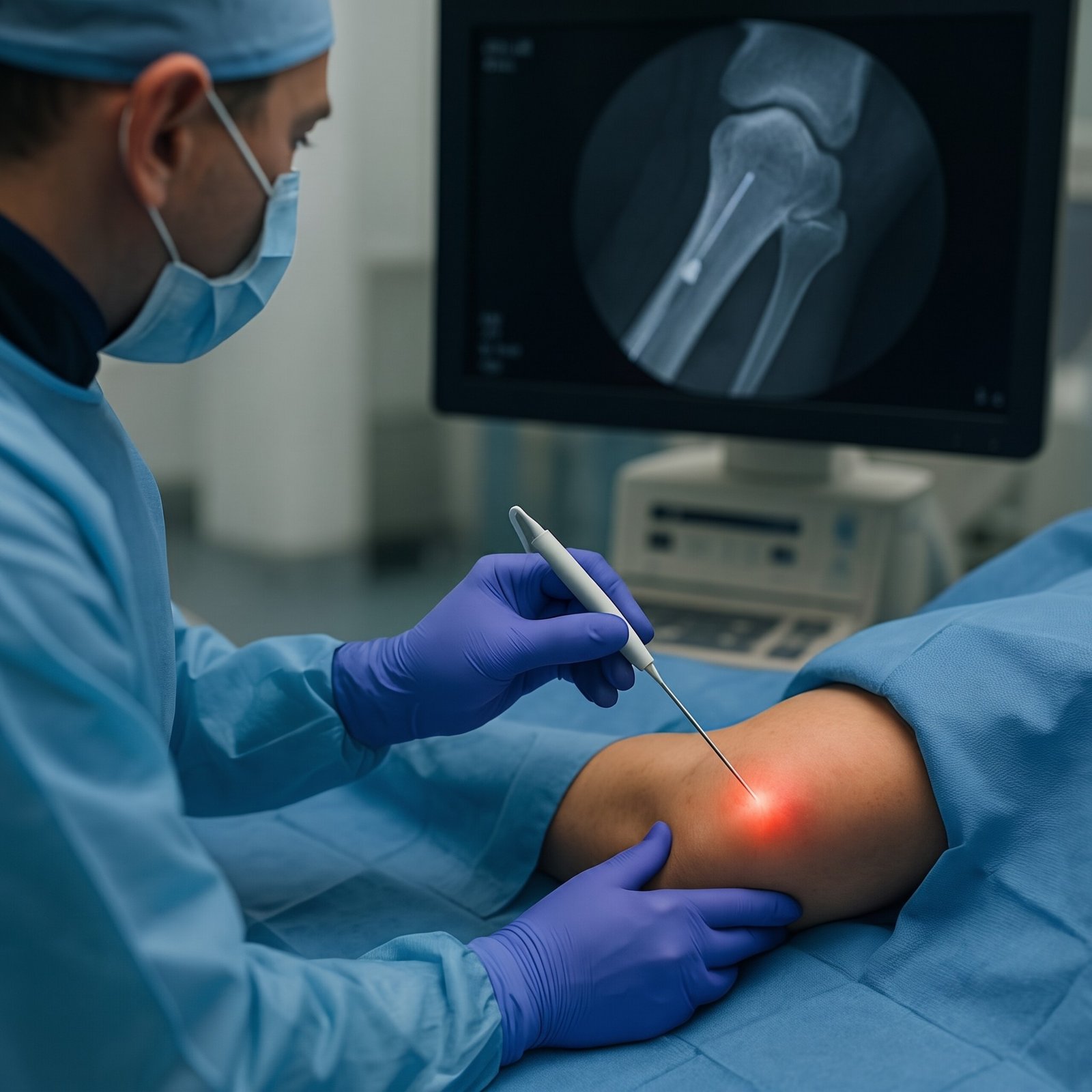 12-24 Mos Relief
Coccygeal Nerve Radiofrequency (RFA)
Thermal or pulsed radiofrequency denervation of sensory coccygeal nerve filaments, providing 1 to 2 years of lasting relief for severe chronic post-traumatic coccydynia.
- Long-term relief for chronic sitting pain
- Preserves bowel and bladder function
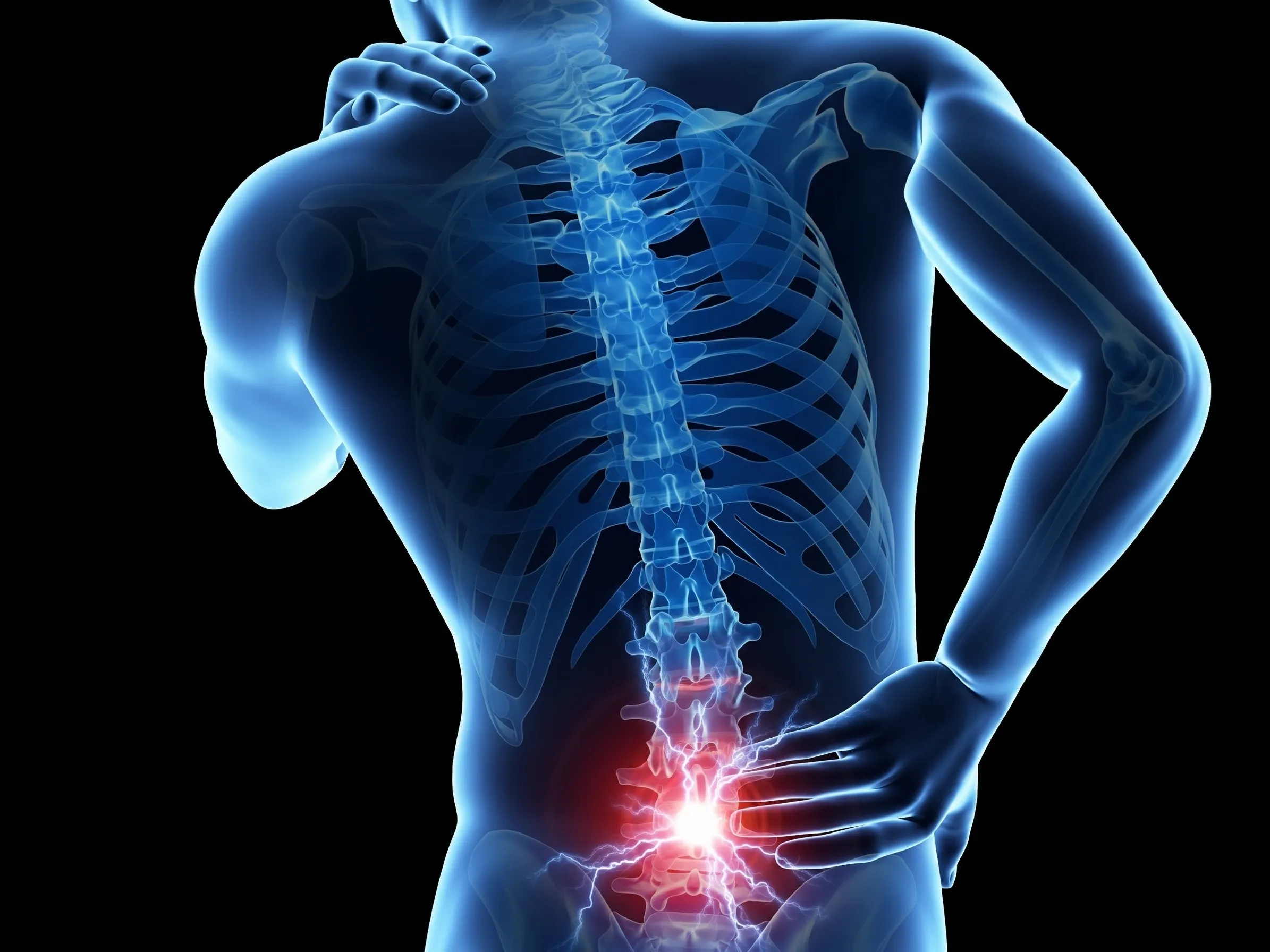 Rehabilitation
Coccyx Mobilization & Offloading
Specialized manual intrarectal coccyx realignment, pelvic floor relaxation exercises, and customized wedge/coccyx cutout cushions to eliminate direct pressure while sitting.
- Restores normal anatomical tilt
- Prevents pressure recurrence during office work
Surgical Coccygectomy vs. Ganglion Impar Block
Why non-surgical interventional nerve blocks have made surgical tailbone removal virtually obsolete.
| Clinical Feature | Surgical Coccygectomy (Bone Removal) | C-Arm Guided Ganglion Impar Block |
|---|---|---|
| Anesthesia Required | General Anesthesia | Local Anesthesia only (Conscious & safe) |
| Incision & Bone Removal | Large open cut with surgical excision of tailbone | Pinhole needle entry (Preserves natural tailbone anatomy) |
| Infection & Wound Risk | High risk of wound infection & dehiscence due to anal proximity | Near zero infection risk (Sterile needle procedure) |
| Time to Sitting Comfort | 3 to 6 months of severe post-operative surgical pain | Immediate pain relief within 15 to 30 minutes |
| Hospital Stay | 3 to 5 days hospital admission | Daycare: Discharged within 1 hour |

Dr. Shrutika Bhagat
MBBS, MD, FIRA, FIAPM | Interventional Pain & Spine Endoscopy
Dr. Shrutika Bhagat brings super-specialized training in full-endoscopic spine surgery and image-guided interventional pain management, having successfully treated thousands of patients with severe back pain, disc prolapse, sciatica, nerve compression, and joint arthritis in Patna.
Tailbone Pain FAQs
Clinical answers regarding Ganglion Impar blocks, post-fall coccyx trauma, sitting pain, and recovery.
Don't Let Chronic Pain Control Your Life.
Take the first step toward understanding your pain and exploring modern, evidence-based minimally invasive relief with Dr. Shrutika Bhagat.