

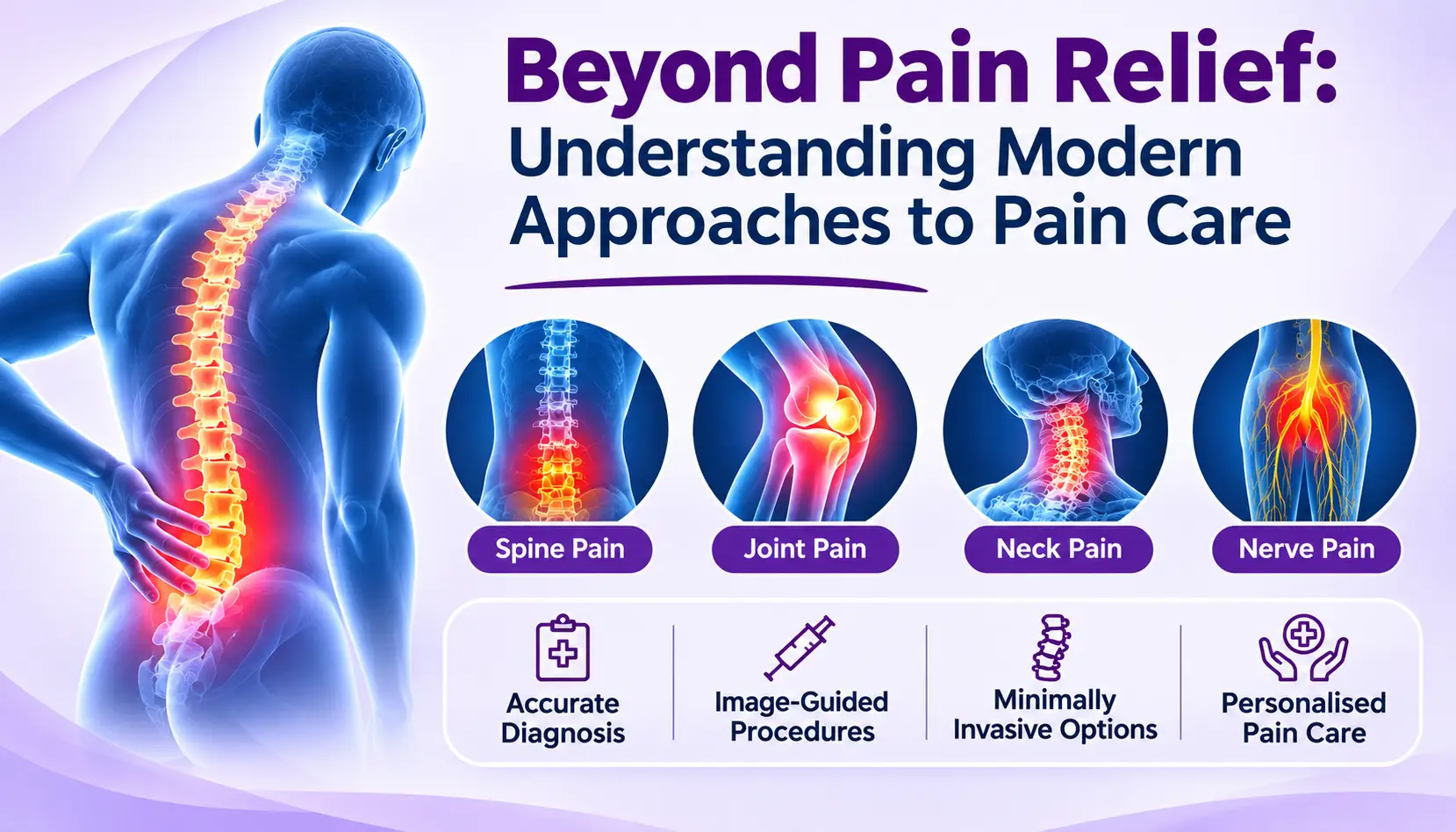
Pain can affect much more than physical comfort. Persistent back pain, neck pain, nerve pain and joint problems can interfere with sleep, mobility, work and everyday activities. Modern pain care focuses on understanding the possible cause of pain, assessing its impact and selecting an appropriate treatment approach. Consulting an Interventional Pain Physician in Patna can help patients understand their condition and explore suitable care options.
Dr. Shrutika Bhagat is an Interventional Pain Physician and Spine Endoscopy Specialist in Patna. Her clinical practice includes evaluation of selected spine-related, nerve and chronic pain conditions, with treatment recommendations based on individual assessment and diagnosis. Learn more about Dr. Shrutika Bhagat's qualifications and clinical specialisation.

What Is Modern Pain Care?
Modern pain care involves a structured approach to identifying the possible source of pain and deciding which treatment may be appropriate. Pain can originate from muscles, joints, spinal structures, nerves or other medical conditions. Sometimes, multiple factors contribute to a person's symptoms.
A specialist consultation may involve reviewing the patient's medical history, understanding the duration and pattern of symptoms, performing a physical examination and assessing relevant imaging or investigation reports. Based on these findings, the physician may discuss medication, physiotherapy, rehabilitation or selected interventional procedures.
To understand how this specialist approach works, read more about interventional pain management in Patna.
Why Is Identifying the Cause of Pain Important?
Different medical conditions can produce similar symptoms. For example, lower back pain may be associated with muscle strain, disc-related problems, joint changes or irritation of spinal nerves. Knee pain may be related to osteoarthritis, an injury, inflammation or other musculoskeletal conditions.
Simply identifying where the pain occurs may not be enough to determine the correct treatment. A clinical assessment helps the physician understand possible contributing factors and decide whether further investigations are needed. Treatment should be guided by the diagnosis rather than by symptoms alone.
Patients can explore the range of spine, nerve and joint pain conditions evaluated at the clinic.
Modern Approaches to Pain Management
There is no single treatment suitable for every type of pain. Depending on the diagnosis, severity of symptoms and overall health, a pain management plan may include conservative care, medication, rehabilitation or targeted procedures.
1. Medication and Conservative Treatment
Medication may be recommended for selected pain conditions or inflammation. The choice of medicine depends on the patient's medical history, diagnosis, other medications and potential side effects. Medicines should be taken only as advised by a qualified healthcare professional.
Conservative treatment may also include physiotherapy, guided exercises, activity modification and rehabilitation. These approaches can help improve strength, flexibility and everyday function in suitable patients.
2. Image-Guided Pain Procedures
Some patients may be considered for image-guided procedures when clinical findings indicate that a targeted intervention is appropriate. Fluoroscopy or ultrasound can help the physician visualise relevant anatomical structures during selected procedures.
Depending on the condition, treatment options may include epidural steroid injections, selective nerve root blocks or other targeted interventions. Their possible benefits, limitations and risks should be discussed before treatment.
Explore the clinic's pain management treatments and procedures to understand the available options.
3. Radiofrequency Ablation
Radiofrequency ablation uses controlled radiofrequency energy to target selected sensory nerves associated with certain chronic pain conditions. It may be considered for carefully selected patients after appropriate clinical evaluation. The duration and degree of relief can vary between individuals.
4. Minimally Invasive Spine Procedures
Some spinal conditions may be suitable for minimally invasive procedures. Spine endoscopy is one approach used for selected patients with specific spinal problems, including certain disc-related conditions. The decision depends on symptoms, physical examination, imaging findings and overall health.
Not every patient with back pain or a disc problem needs a procedure. Many conditions can initially be managed with non-surgical treatment, while other situations may require surgical assessment.

Understanding Back Pain and Spine-Related Conditions
Back pain may develop due to muscle strain, disc degeneration, nerve irritation, spinal joint problems or other causes. Symptoms can range from local discomfort to pain that travels into the buttocks or legs. Persistent symptoms, numbness or weakness should be assessed by a healthcare professional.
Patients experiencing persistent back discomfort can learn about back pain treatment in Patna and the importance of an individualised assessment.
Joint Pain Requires Individualised Treatment
Joint pain can affect the knees, shoulders, hips and other areas. Common contributing factors include osteoarthritis, inflammation, injury and overuse. Treatment depends on the affected joint, severity of symptoms and underlying diagnosis.
Patients can read about joint pain specialist care in Patna and explore information about joint pain treatment options in Patna.
The Importance of Patient-Centred Pain Care
Good pain management considers more than pain intensity. Sleep, mobility, emotional well-being, work requirements and daily activities can all influence treatment goals. A patient-centred approach involves explaining the diagnosis, discussing suitable options and setting realistic expectations about possible outcomes.
The International Association for the Study of Pain (IASP) provides educational resources about pain and its management. Read its guidance on developing an integrative pain care plan.
When Should You Consult an Interventional Pain Physician?
A specialist consultation may be helpful when pain persists, repeatedly returns, affects daily activities or does not improve with initial treatment. People experiencing back pain, neck pain, sciatica, nerve-related symptoms or persistent joint discomfort may benefit from an assessment to understand possible causes and suitable treatment options.
New or progressive limb weakness, loss of bladder or bowel control, numbness around the groin or saddle area, or severe pain following significant trauma requires urgent medical assessment. Do not delay emergency evaluation to arrange a routine pain consultation.